Launching a scooter-sharing business no longer requires millions in funding or a team of software engineers. What once took large mobility companies years to build can now be launched in a matter of weeks. The challenge has shifted from technology to execution. Today’s operators compete on reliability, operational efficiency, and the ability to work with cities rather than around them.

The opportunity, however, remains strong. According to the 2025 European Shared Mobility Index, Europe recorded more than 640 million shared mobility trips in 2024, with scooters remaining one of the largest mobility segments. For entrepreneurs looking to enter the market, the biggest advantage is that they no longer have to build everything from scratch. Proven business models, mature hardware, and established software platforms have made launching a scooter-sharing service much more accessible than it was just a few years ago.
Here’s what to consider before launching your first fleet.
Step 1: Choose The Right City
The success of a scooter-sharing business often depends more on the city than on the scooters themselves. Before investing in vehicles, take time to understand the local market. Does the city issue permits for scooter-sharing operators? Are there already established competitors? Is the population dense enough to support frequent short trips? Well-developed cycling infrastructure and strong public transport networks can also work in your favour by creating first and last mile travel opportunities. Competition isn’t necessarily a bad sign. If multiple operators are already active, it usually means there is proven demand. The challenge is understanding whether there’s room for another service and how your business can differentiate itself.
Step 2: Build A Business Model That Fits Your Market
One of the first decisions is choosing how riders will use your service. Some operators choose a free-floating model, where scooters can be picked up and parked anywhere within a designated service area. Others prefer station-based systems that require trips to start and end at fixed locations. Free-floating fleets offer greater flexibility for users, while station-based systems usually provide more predictable operations, simpler charging logistics, and fewer parking issues.
Pricing deserves just as much attention. Many operators combine an unlock fee with per-minute pricing, while others introduce subscriptions, ride bundles, or daily passes for frequent users. It’s also worth defining your target utilisation rate before purchasing vehicles. A fleet of 200 scooters averaging five trips per day is generally a healthier business than a fleet of 500 scooters averaging only one or two.
Step 3: Choose Hardware That Will Last
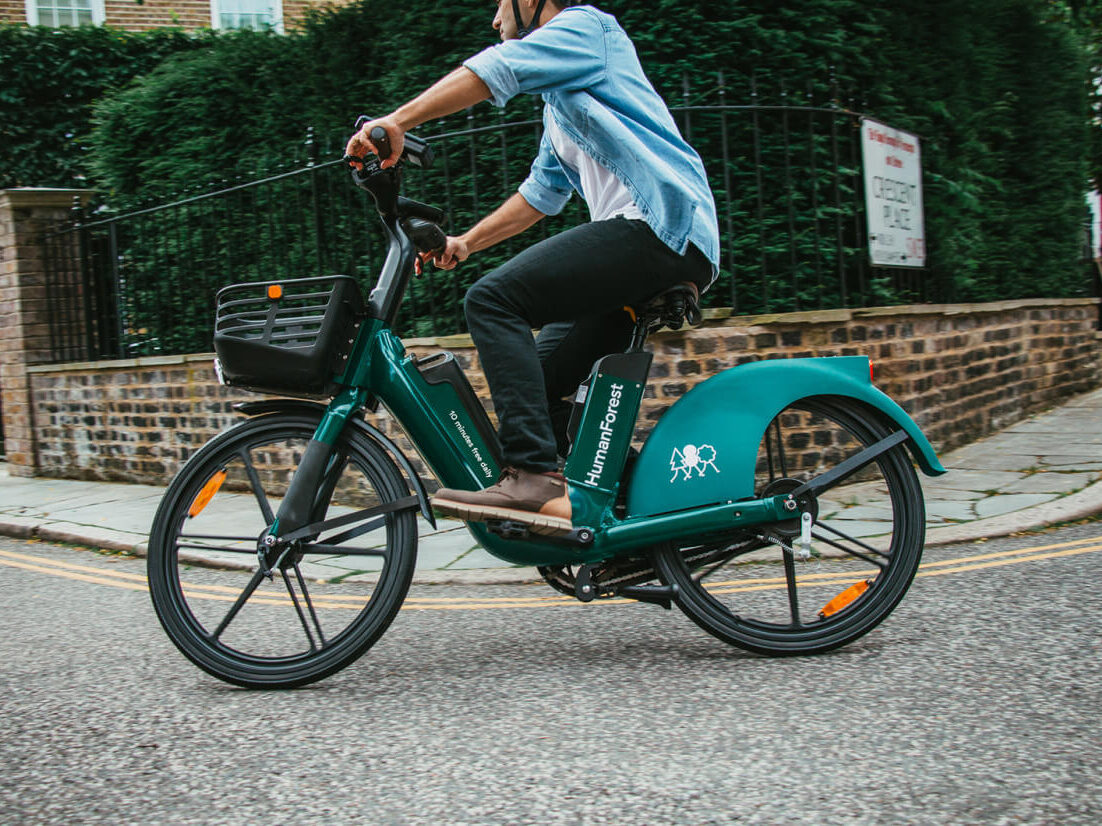
Buying scooters is only one part of the investment. Operators should look beyond purchase price and evaluate durability, battery capacity, weather resistance, maintenance requirements, spare part availability, and the total cost of ownership over several years.
The hardware inside each scooter is equally important. GPS tracking, remote locking, battery monitoring, vehicle diagnostics, and theft protection all depend on reliable IoT connectivity. Many newer operators also choose swappable battery systems because they reduce downtime and allow batteries to be replaced on the street instead of transporting scooters back to a warehouse for charging.
Choosing hardware that integrates smoothly with your software platform will make expansion much easier later on.
Step 4: Select Software That Can Grow With Your Business
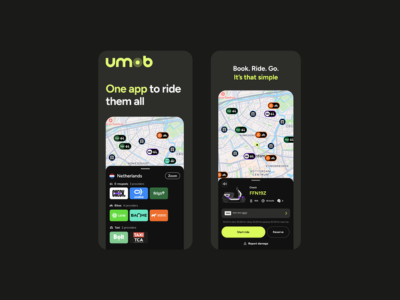
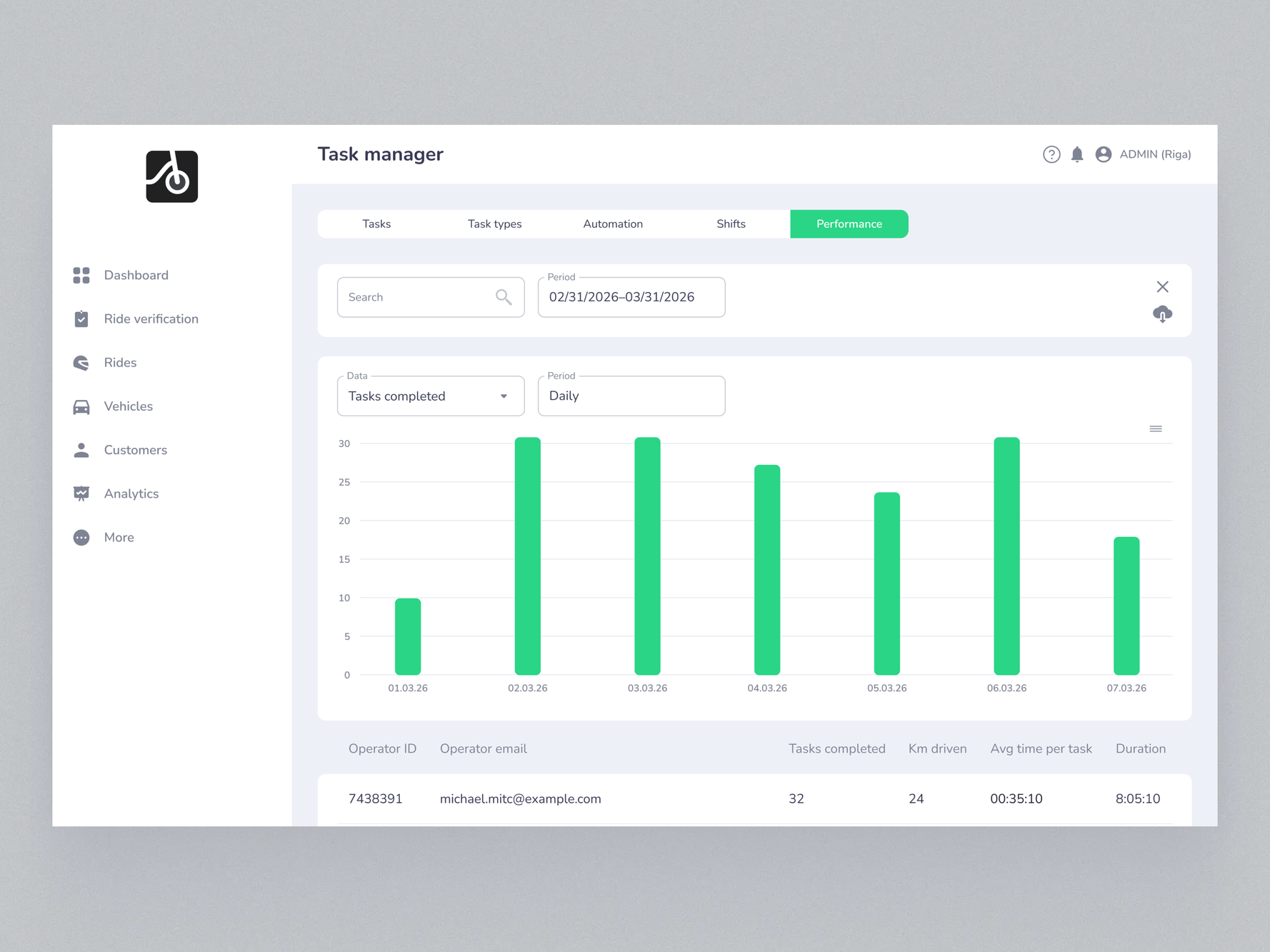
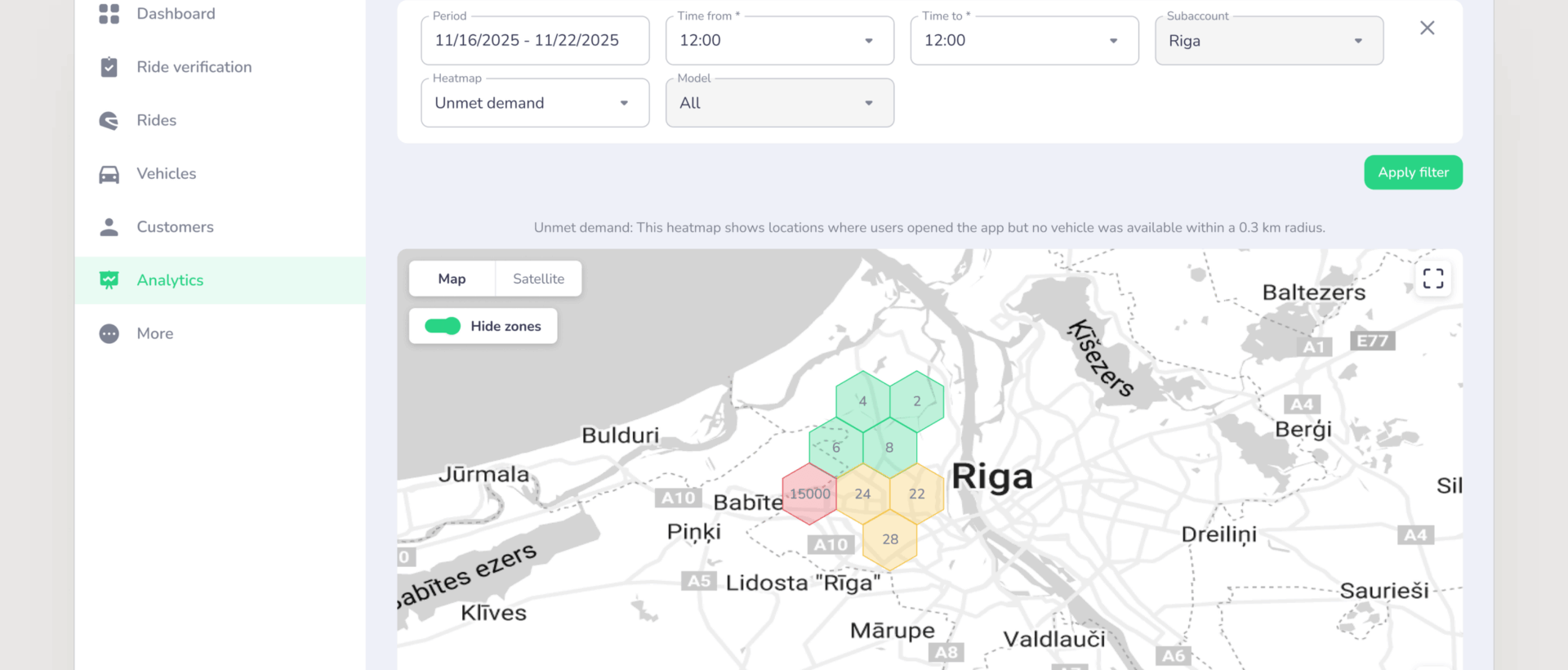
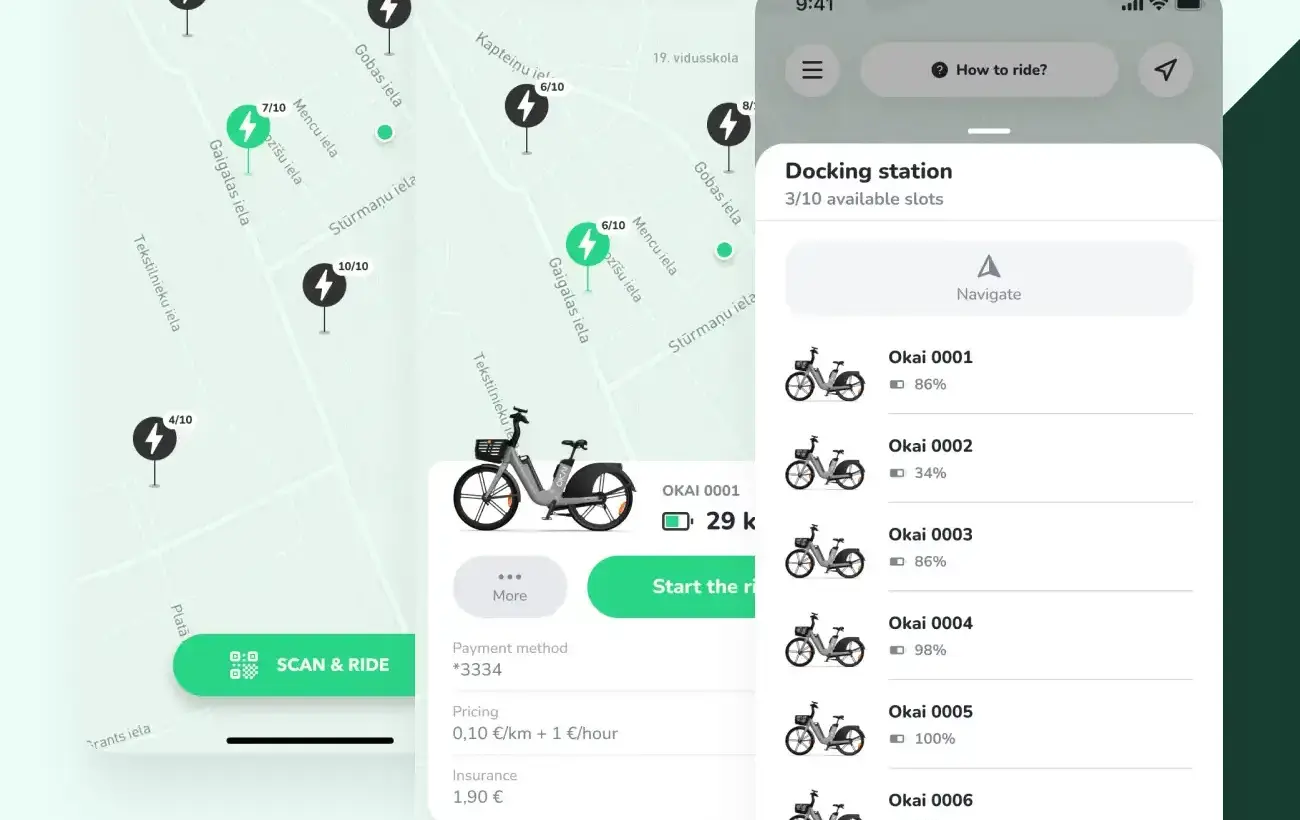
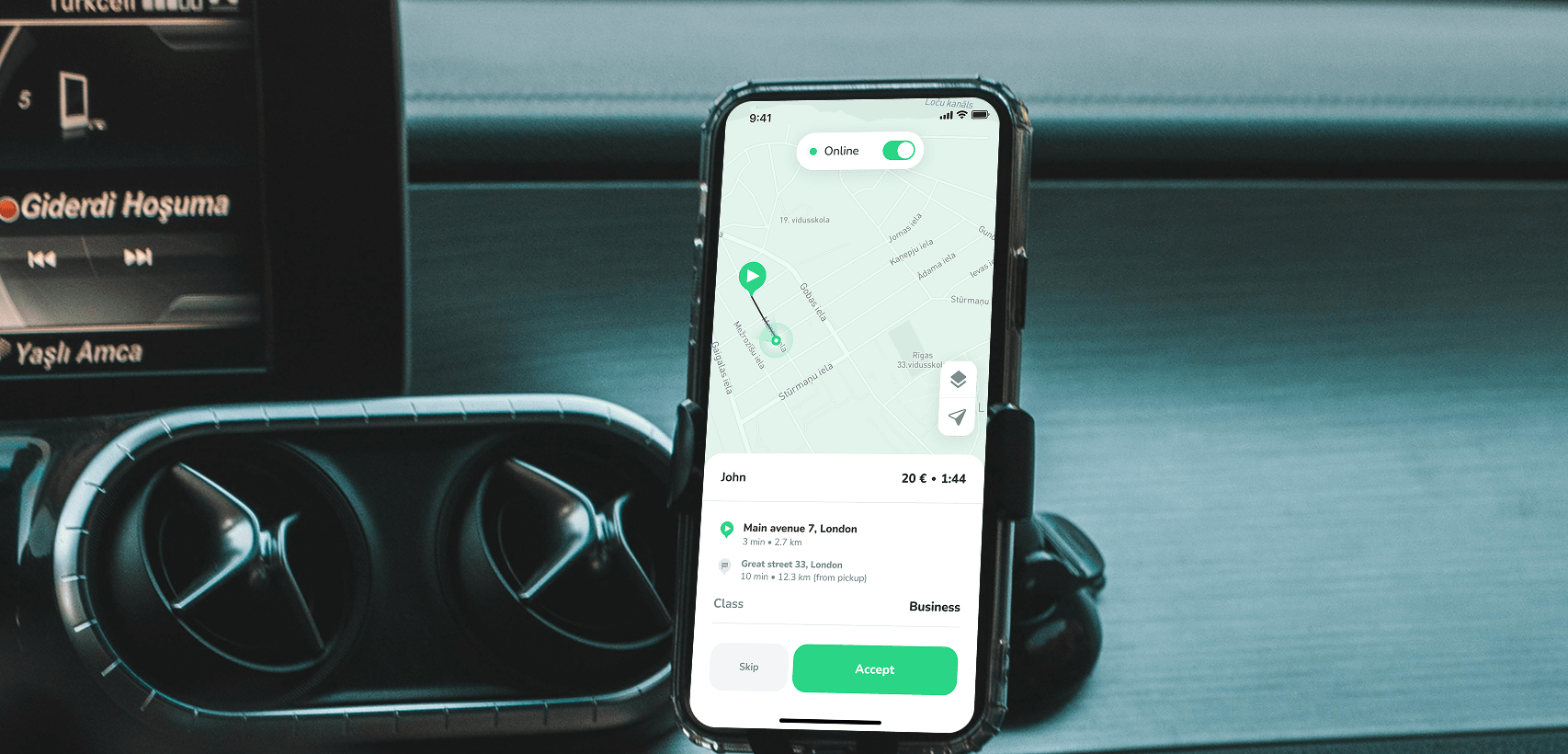
The customer usually sees only the mobile app, but software runs almost every part of a scooter-sharing business. Beyond booking and payments, operators need tools for fleet management, pricing, subscriptions, maintenance scheduling, customer support, analytics, reporting, and day-to-day administration. As fleets grow, managing these processes manually quickly becomes unrealistic. When comparing software providers, look beyond the list of features. Consider how well the platform integrates with your hardware, whether new vehicle types can be added later, and how much of the daily operational work can be automated, and what other operators are saying about the software.
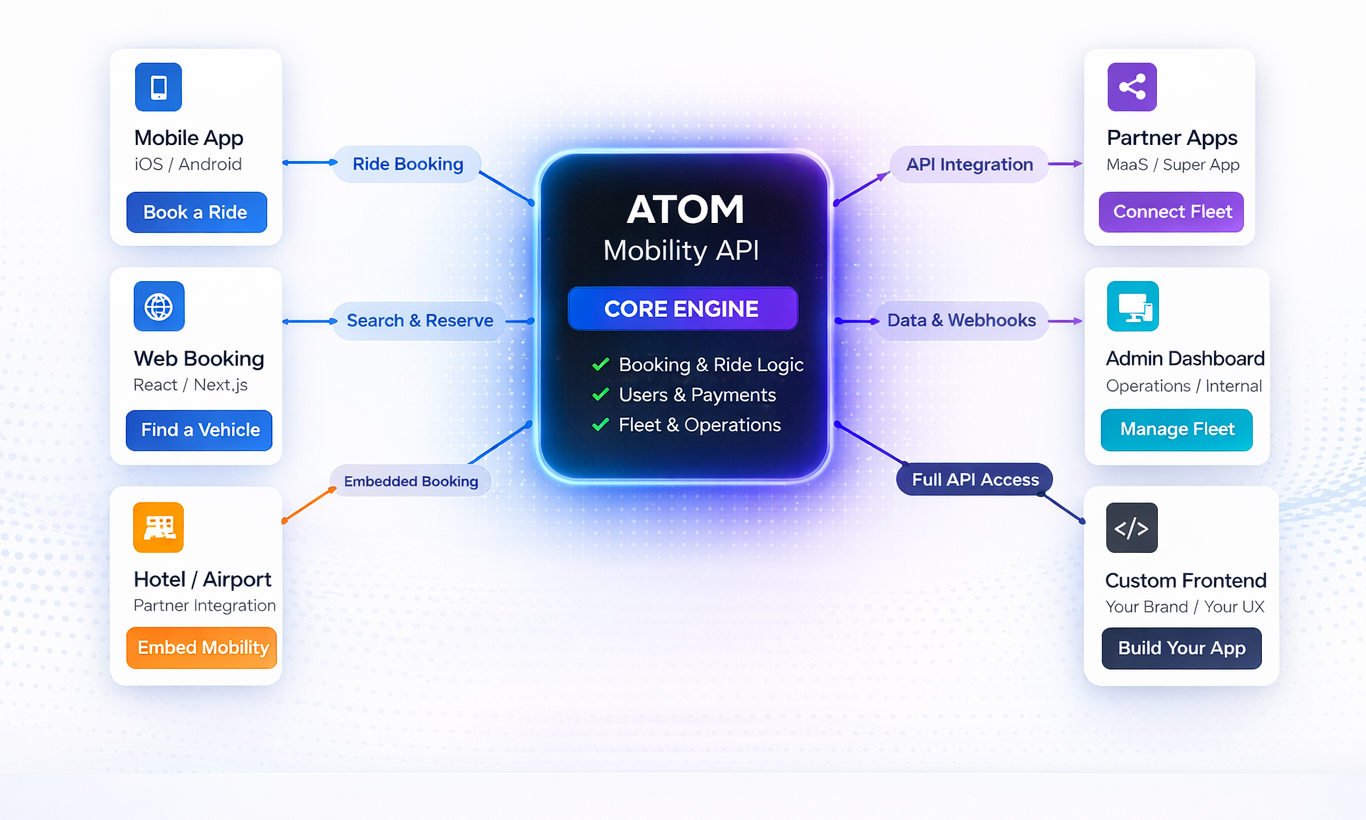
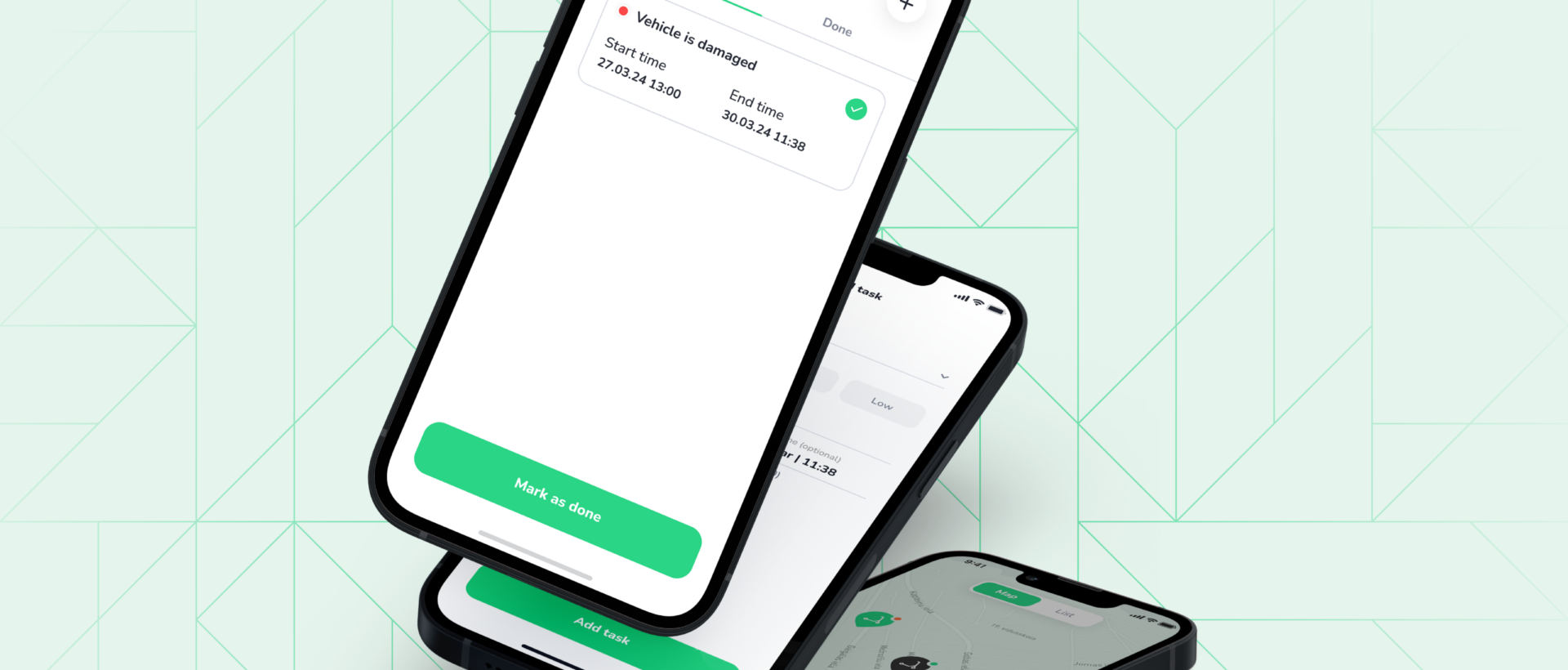
Platforms such as ATOM Mobility’s vehicle-sharing software bring rider apps, fleet management, payments, maintenance workflows, and analytics together in one system, allowing operators to manage the business without relying on multiple disconnected tools.
Step 5: Think About Your First Riders Before Launch Day
Successful operators usually spend weeks preparing their first marketing campaigns before the fleet goes live. Referral programmes can encourage existing users to invite friends, while partnerships with universities, hotels, offices, residential developments, and local businesses help introduce the service to potential riders. Introductory discounts often work well during launch, but long-term success depends on giving people a reason to keep coming back after the promotion ends.
Step 6: Prepare Your Operations Before The First Ride
Many mobility businesses don’t struggle because demand is low – they struggle because operations become difficult to manage as the fleet grows. Before launch, operators should already have clear procedures covering:
- vehicle inspections
- charging and battery swaps
- maintenance and repairs
- fleet balancing
- customer support
- incident reporting
It is also worth deciding when operational action should be triggered. For example, at what battery level should a scooter be collected? How many inactive hours should pass before a vehicle is relocated? When should damaged scooters automatically be removed from service? Answering these questions early helps create consistent operations as the business grows.
How Long Does It Actually Take To Launch?
Building custom mobility software from scratch can easily take 6-12 months or more, particularly when mobile apps, payments, IoT integrations, and fleet management systems all need to be developed from 0. Custom mobility software also costs 10 times more and may not be delivered in time.
Using a white-label platform shortens that process considerably. With ATOM Mobility’s vehicle-sharing platform, operators can often launch in as little as 20 days, depending on branding, hardware integrations, payment setup, and operational readiness. That allows founders to spend less time developing software and more time preparing the business itself.
Launching a scooter-sharing business has never been easier from a technical perspective, but long-term success still depends on execution. Choosing the right city, investing in reliable hardware, selecting software that can grow with the business, and establishing strong operational processes all have a much bigger impact than simply deploying more scooters. The operators that build those foundations early are usually the ones best positioned to scale in the years that follow.
Want To Learn More?
For entrepreneurs who want to dive deeper, ATOM Academy (https://www.atommobility.com/academy) is a free online learning platform created by mobility industry experts. It includes practical video courses covering topics such as:
- How to launch a shared mobility business
- Fleet operations and maintenance best practices
- Pricing and business models
- Marketing, support and customer acquisition
- Mobility software tutorials and platform walkthroughs
- Industry trends and expert insights
Whether you’re preparing to launch your first fleet or looking to optimise an existing operation, the Academy provides practical guidance based on real-world experience from hundreds of mobility projects worldwide.
This article was originally published by ATOM Mobility.