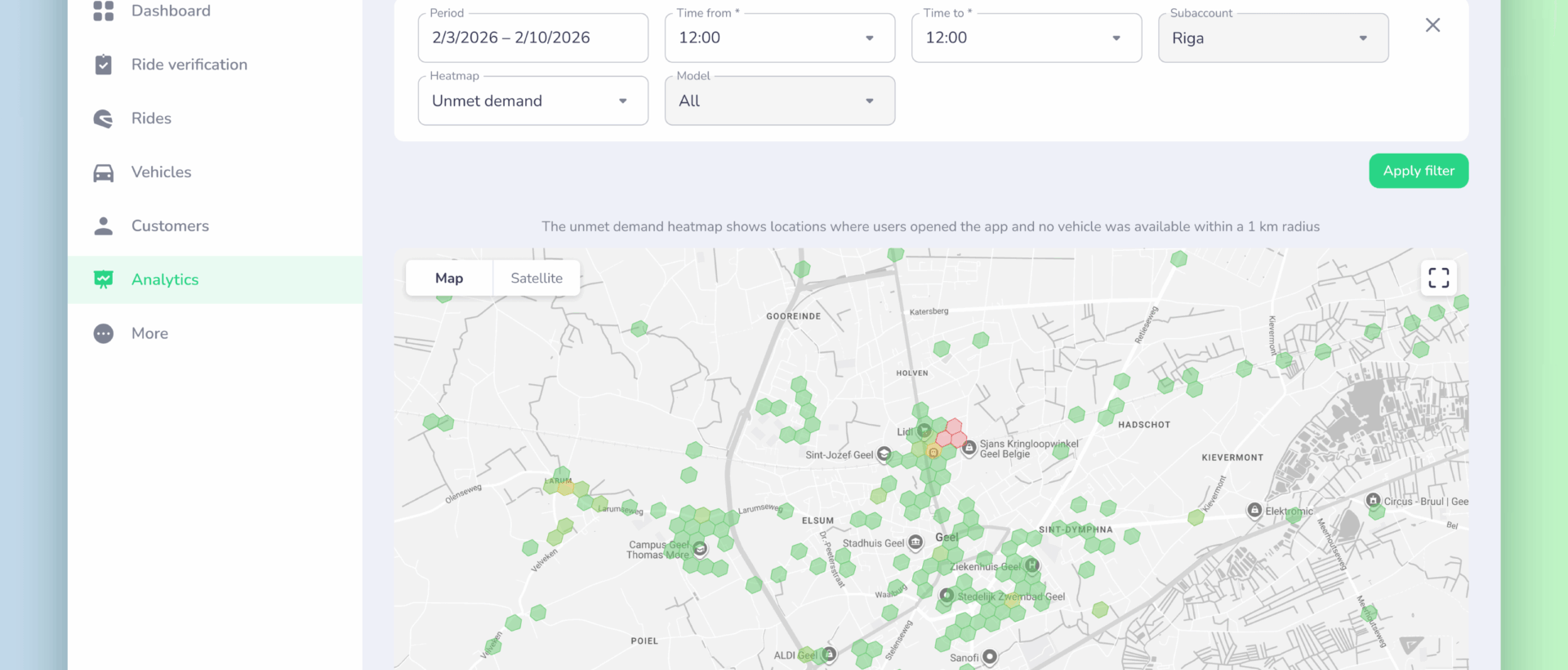
During 2019-2025, most of the attention in shared mobility went to dockless scooters. They were quick to deploy, highly visible, and seemed like the future of urban transport. But while many scooter operators expanded, consolidated, or exited markets, station-based bike-sharing systems quietly continued growing.
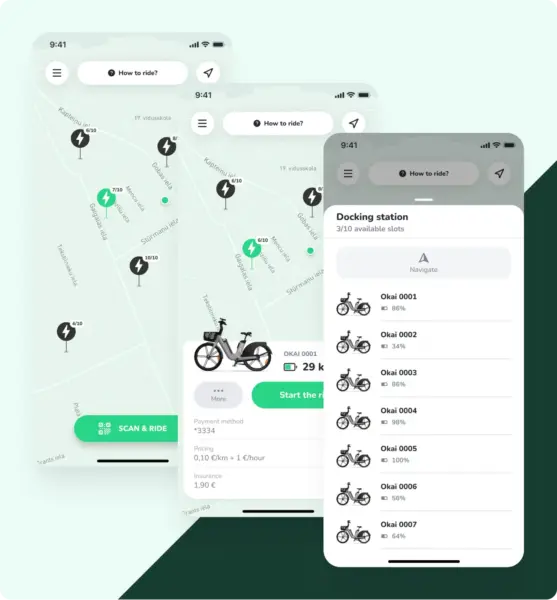
According to the 2025 European Shared Mobility Index, public bike-sharing schemes generated around 238 million trips in Europe, while private bike-sharing operators recorded another 124 million trips. Together, bike-sharing services accounted for more than 360 million annual rides out of more than 700 million rides (the other half was generated by free-floating scooters). While the industry spent years experimenting with different models, station-based bike sharing remained remarkably resilient. In many cities, it has become part of everyday transport infrastructure rather than simply another mobility service.
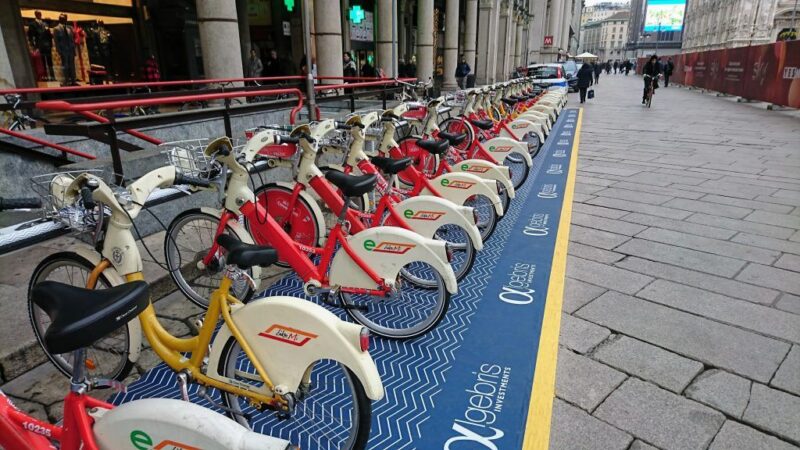
The Bike-Sharing Market Is Becoming More Structured
One of the clearest themes from the latest index is that the market is becoming more disciplined. Operators are no longer chasing every possible market. Instead, they are focusing on locations where shared mobility can operate sustainably over the long term. Cities are becoming more selective too, favouring systems that fit into wider transport networks rather than uncontrolled fleet expansion.
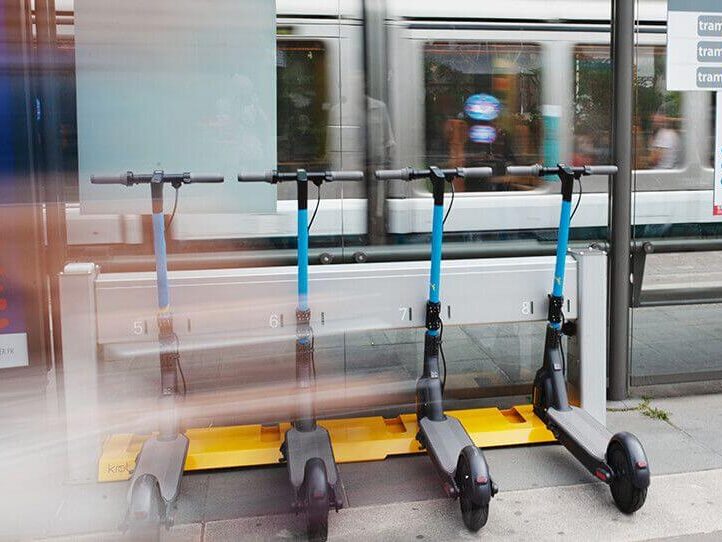
This shift has created favourable conditions for station-based bike-sharing systems. Unlike dockless fleets, station-based programs offer more predictable parking, easier fleet management, and stronger integration with public transport. These advantages become increasingly important as cities focus more on accessibility, compliance, and long-term mobility planning.
What Do Europe’s Largest Station-Based Systems Have in Common?
The strongest argument for station-based bike sharing is the performance of some of the world’s largest programs.
Vélib’ (Paris)
Paris’ Vélib’ remains one of the most successful bike-sharing systems in Europe. The network combines thousands of regular bicycles and e-bikes across an extensive station network that covers much of the city. Vélib’ generated approximately 48.5 million trips in 2025, making it the highest-ridership public bike-sharing system in Europe.
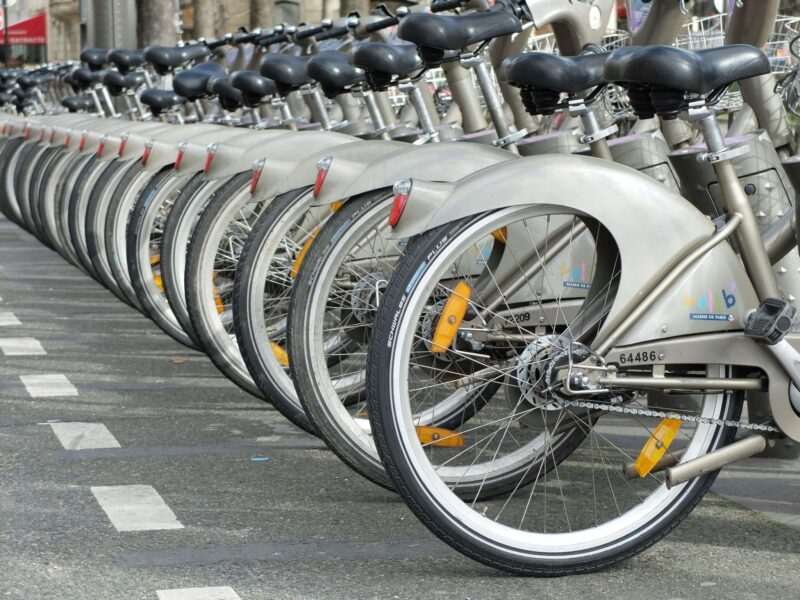
What makes Vélib’ particularly interesting is that, for many Parisians, it has become part of their daily commute alongside buses, metros, and trains. That level of adoption only happens when riders know they can reliably find and return bikes where they need them.
Bicing (Barcelona)
Barcelona’s Bicing demonstrates how station-based systems can scale with city support and careful planning. The system combines regular bicycles and e-bikes and has become deeply integrated into the city’s transport ecosystem. Bicing recently surpassed 100 million total rides, making it one of the most successful public bike-sharing programs globally. Barcelona is becoming a fascinating mobility case study: shared scooters were banned, private dockless bike-sharing is being phased out, while the city continues expanding the public Bicing network. A clear signal that some cities are prioritizing station-based and publicly managed micromobility over free-floating models.
The success of Bicing also reflects a broader trend in Spain, where public bike-sharing systems continue receiving strong institutional support.
BikeMi (Milan)
BikeMi in Milan offers a slightly different model. Rather than focusing on rapid expansion, the system grew steadily through dense station placement, strong commuter adoption, and integration with public transport. Now BikeMi combines traditional bicycles and e-bikes, providing a reliable transport option for both residents and visitors. Its success highlights an important lesson for operators: long-term utilisation often matters more than rapid fleet growth.
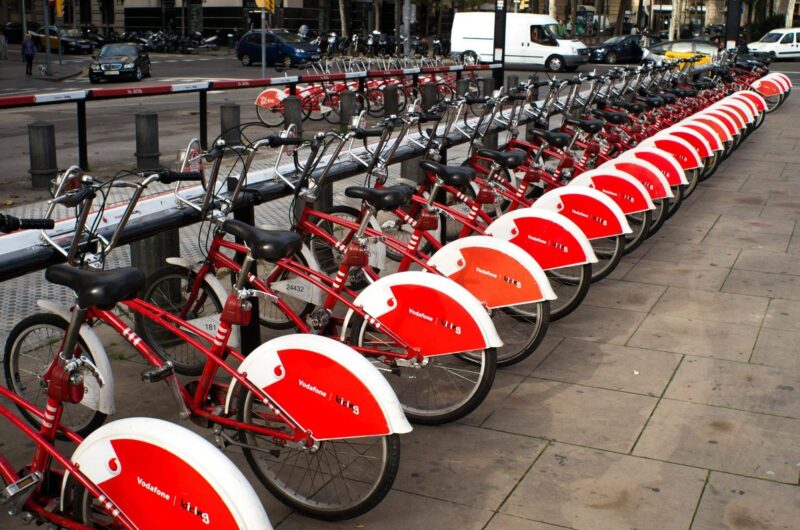
Although Vélib’, Bicing, and BikeMi differ in scale and geography, they share several common characteristics. All three prioritise station density, integration with city transport networks, and predictable rider experiences.
Electric Bikes Are Changing the Economics
One of the biggest developments in station-based bike sharing over the past few years has been the rapid growth of electric fleets. Public bike-sharing fleets are now approximately 48% electrified. More importantly for operators, electric bikes consistently generate more trips than traditional bicycles. Public systems average around 2.7 trips per vehicle per day, while some electric bike fleets achieve up to 4.6 trips per vehicle per day.
Higher utilisation means more revenue per vehicle, a faster return on investment, lower idle fleet costs, and stronger demand throughout the day. Electric bikes also make bike sharing accessible to a broader audience. Longer distances become practical, hills become less of a barrier, and riders who would not normally choose a bicycle are often willing to use an e-bike instead. This is one reason many newer station-based systems are launching with mixed fleets or even fully electric fleets from day one.
Why Cities Are Backing Station-Based Systems Again
Across Europe, municipalities are placing greater emphasis on organised mobility systems that can be integrated into existing transport networks. The European Shared Mobility Index highlights several examples, including public support programs for bike-sharing subscriptions in Spain, continued investment in Barcelona’s Bicing network, and London’s decision to renew its Santander Cycles contract through a long-term investment programme.
For cities, the appeal is relatively clear. Station-based systems provide predictable parking, reduce street clutter, simplify accessibility planning, and make it easier to integrate bike sharing with buses, trains, and metro systems. As regulations become stricter and public space becomes more valuable, these advantages are becoming increasingly important.
Managing a Growing Station Network
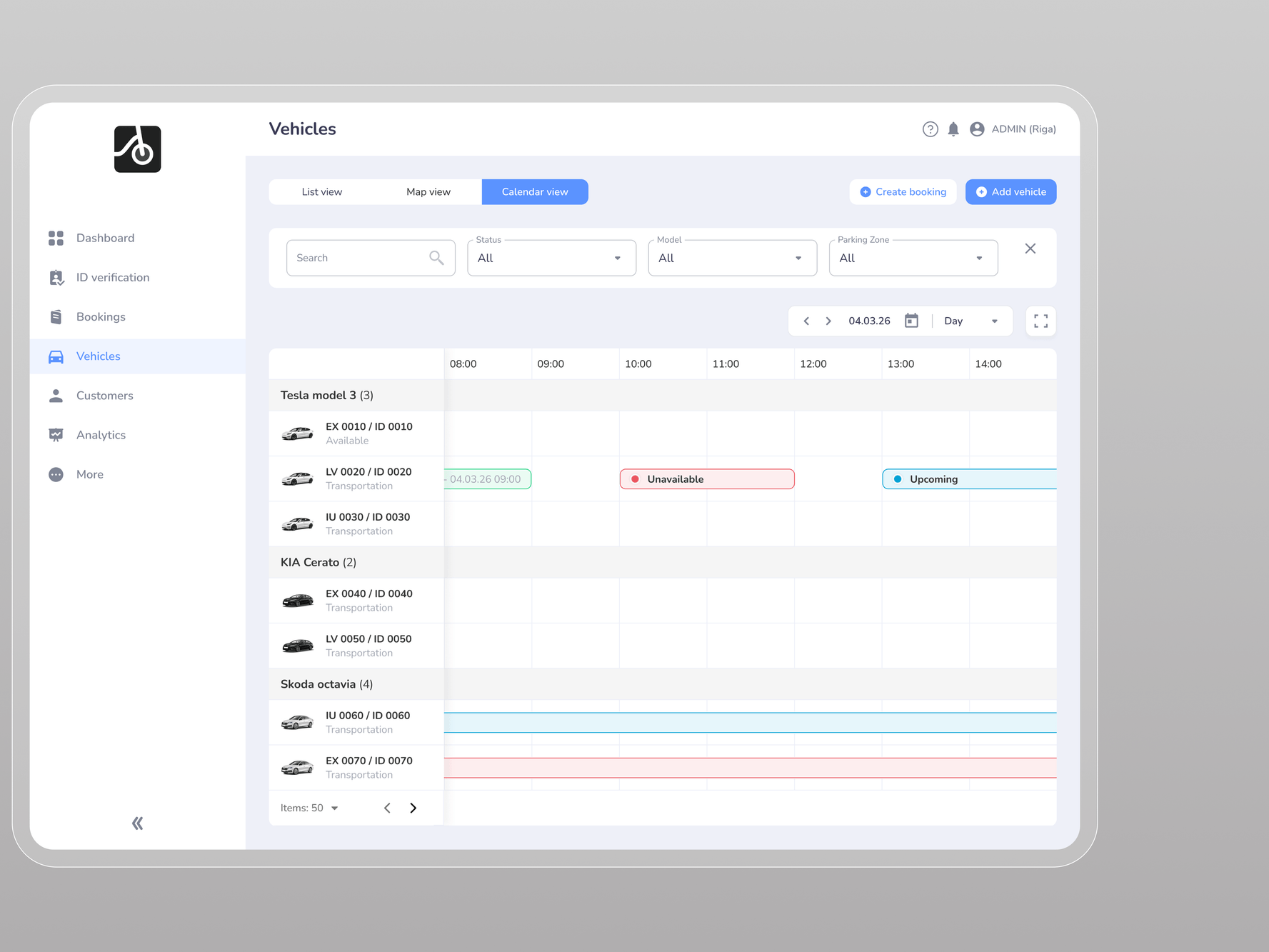
As fleets grow, operators need visibility into station occupancy, vehicle availability, charging status, maintenance workflows, payments, rider activity, and customer support. Managing these processes manually quickly becomes difficult, especially when systems expand across multiple districts or cities.
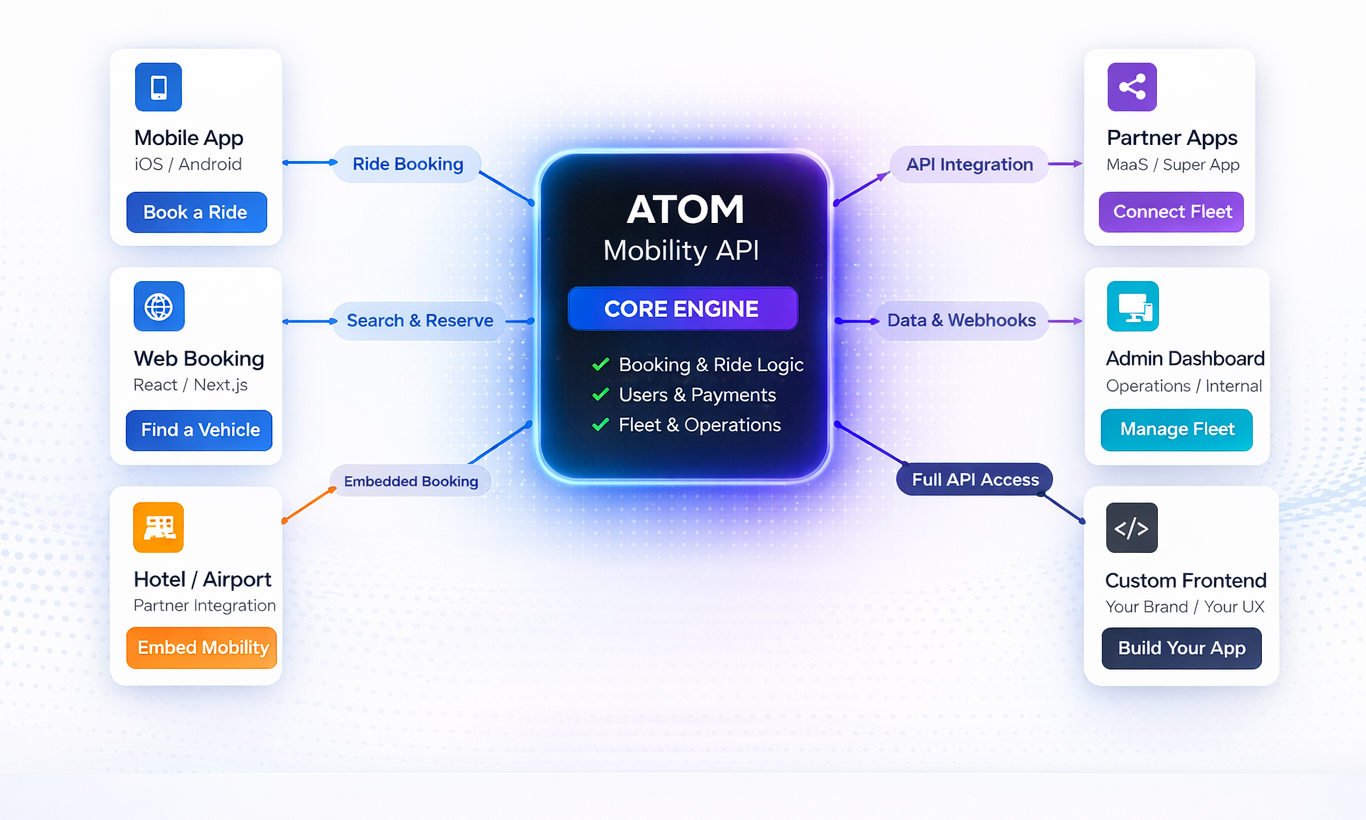
Many operators use platforms such as ATOM Mobility’s bike-sharing software to manage stations, vehicles, rider applications, payments, maintenance, and operational workflows through a single system rather than relying on multiple disconnected tools. The largest station-based programs did not become successful simply because they deployed more bikes. They built operational processes capable of supporting growth over many years.
The growth of systems like Vélib’, Bicing, and BikeMi suggests that station-based bike sharing has found its place in modern cities long-term. The focus now is less on expansion alone and more on operating reliable, efficient networks that riders can depend on every day.
Check out the full 2025 European Shared Mobility Index here: https://fluctuo.com/reports
This article was originally published by ATOM Mobility.