Shared mobility is moving beyond standalone apps. Operators today are expected to integrate into existing ecosystems – from hotel and airport platforms to corporate travel tools and MaaS apps. Building all of that from scratch is slow, expensive, and hard to scale.
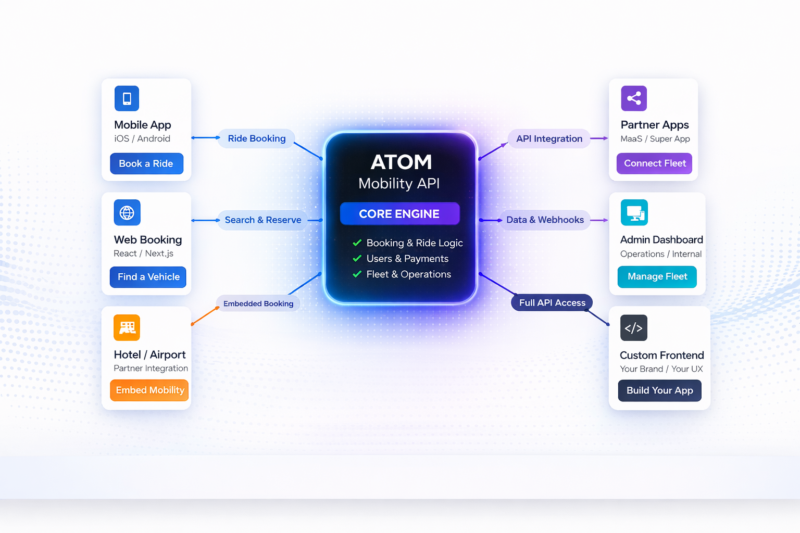
That’s why ATOM Mobility offers a fully developed OpenAPI – allowing you to build your own mobility experience on top of a proven backend.
From App to Platform
Most mobility solutions are still built as closed systems. That creates friction: integrations take time, custom features require heavy development, and expanding into new channels becomes complicated.
An API-first approach changes this. Instead of rebuilding core functionality, operators can use ATOM Mobility as the underlying system and build their own layer on top. Booking flows, payments, vehicle control, and operational logic are already there – accessible via API.
What This Enables in Practice
With API access, mobility can be embedded directly where users already are.
- A ride can be booked from a hotel website. A car can be unlocked through a partner app. A custom frontend can be built for a specific market without touching the backend.
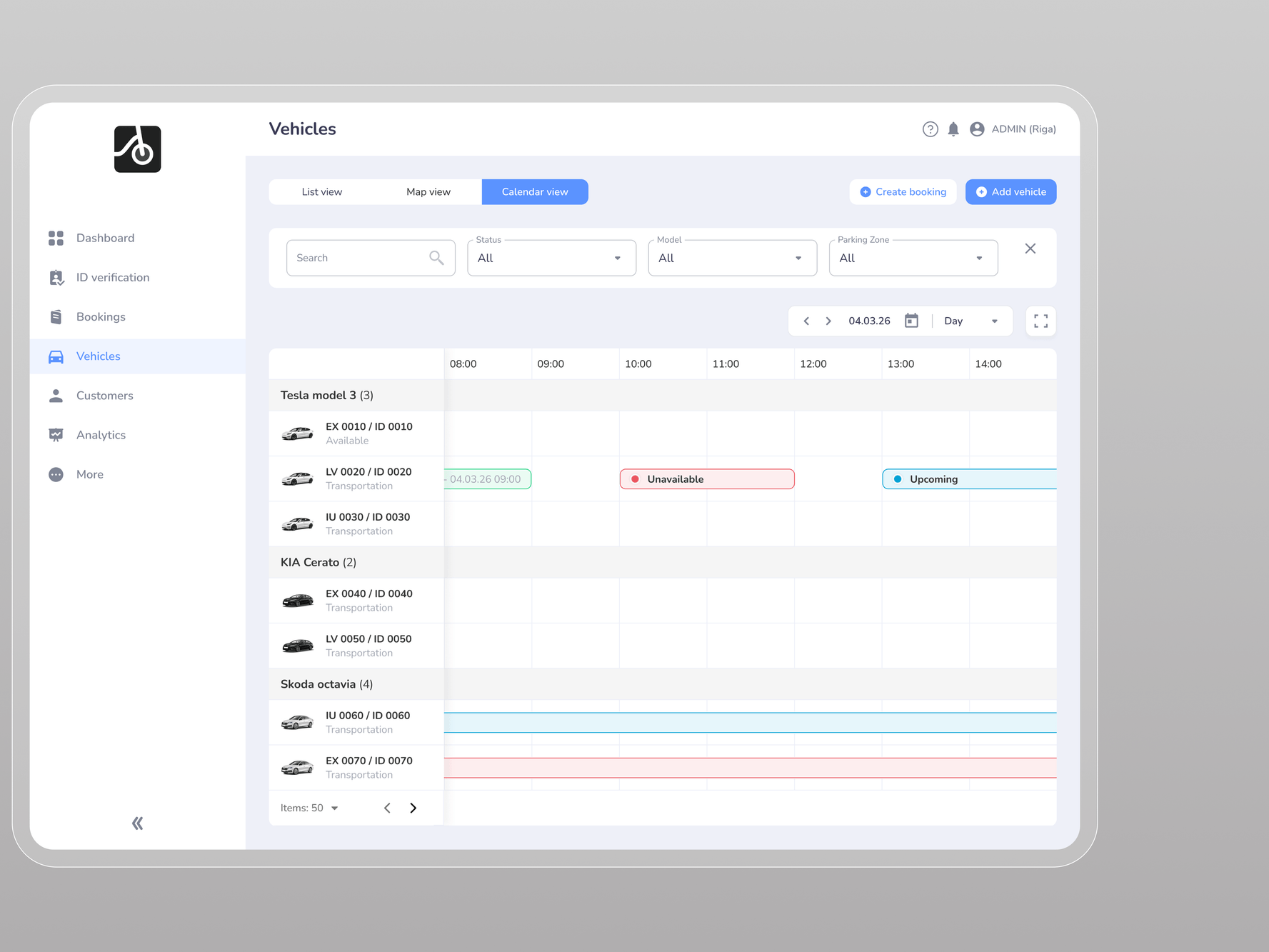
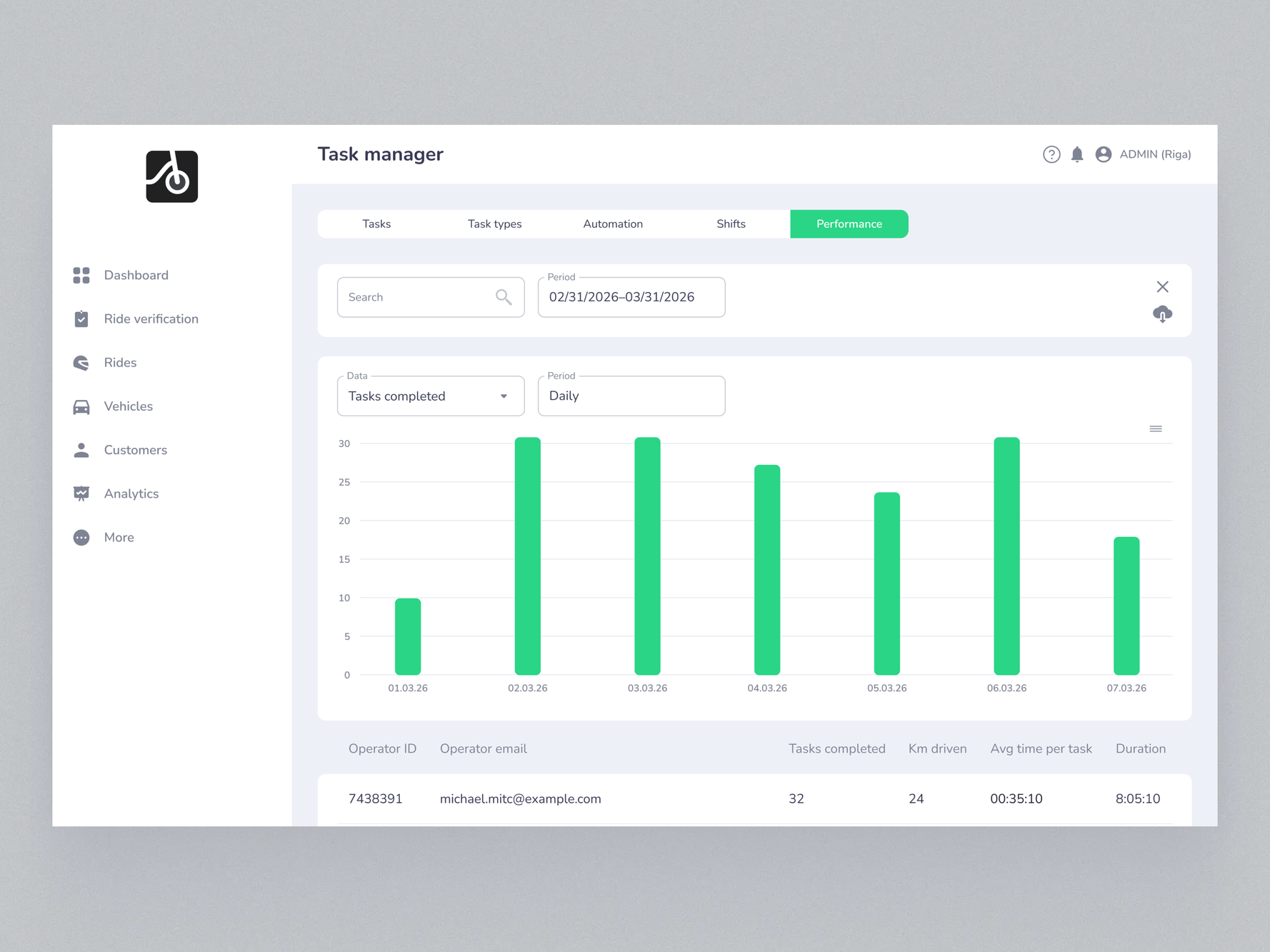
- At the same time, operators can connect their own tools: from internal dashboards to finance and reporting systems (for example, Power BI) creating a more automated and scalable operation.
The result is not just a mobility app, but a flexible system that can adapt to different markets, partners, and use cases.
What You Can Manage With ATOM Mobility API
- Booking & ride management – search vehicles, reserve and unlock, start and end trips, manage ride status.
- Payments & users – create and manage users, handle payments and pricing, access booking history.
- Fleet & operations – vehicle status and location, zones and restrictions, pricing configuration.
- Integrations – connect third-party apps, sync with external systems, automate workflows and more…
Few Use Cases We Already See
1. Embedded Mobility in Partner Platforms
Booking directly from (no app download needed):
- hotel websites
- airport kiosks
- corporate travel portals
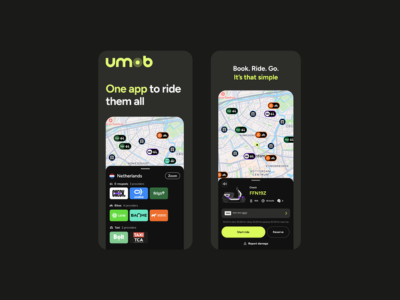
- MAAS apps (such as Umob)
2. Custom Frontends and Apps
Operators build:
- branded web apps
- niche UX flows
- country-specific experiences
All powered by ATOM Mobility backend.
3. IoT and Hardware Integrations
- sync vehicle data
- control locking/unlocking
4. Automation & Internal Tools
- reporting dashboards
- finance automation
- customer communication flows
Instead of spending months building core systems, operators can use ATOM API and focus on what actually drives growth – distribution and partnerships.
Interested to learn more or try it out?
Learn more: https://www.atommobility.com/api
Explore the API: https://app.rideatom.com/api/docs
This article was originally published by ATOM Mobility.