A typical journey through a major station or airport now runs through a phone. Tickets sit in apps, platform changes arrive as notifications and staff keep in touch by radio. In November 2025, 87% of rail journeys in the UK used a wholly electronic ticket.
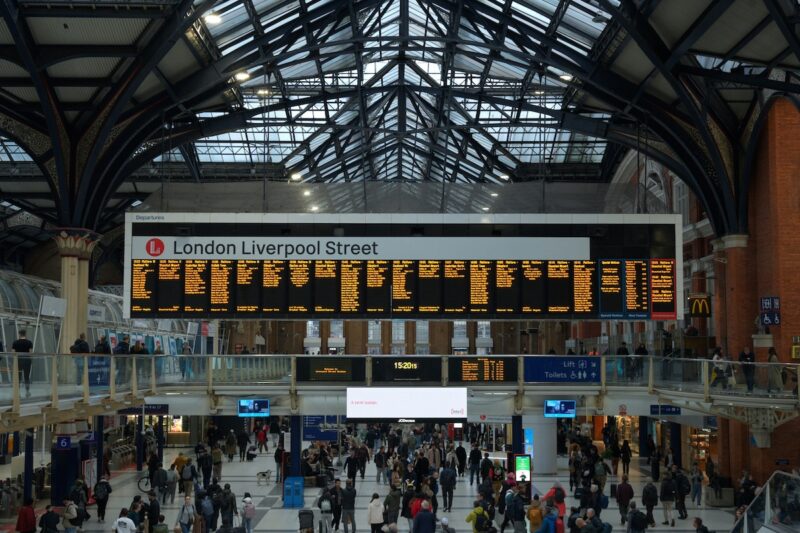
Yet the buildings at the heart of these journeys are some of the hardest places for a signal to reach. Concrete, steel, coated glass and deep tunnels all block radio waves, leaving gaps in exactly the places where crowds gather.
Why Coverage Inside Hubs Has Become an Operational Issue
For years, mobile service underground was treated as a passenger convenience. London shows how that’s changing. Transport for London (TfL) said in June 2026 that around 60% of underground stations now had 4G and 5G coverage.
Rebecca Bissell, Director of Information Technology at TfL, said:We remain focused on having 4G and 5G mobile coverage across the whole Tube network by the end of the year.
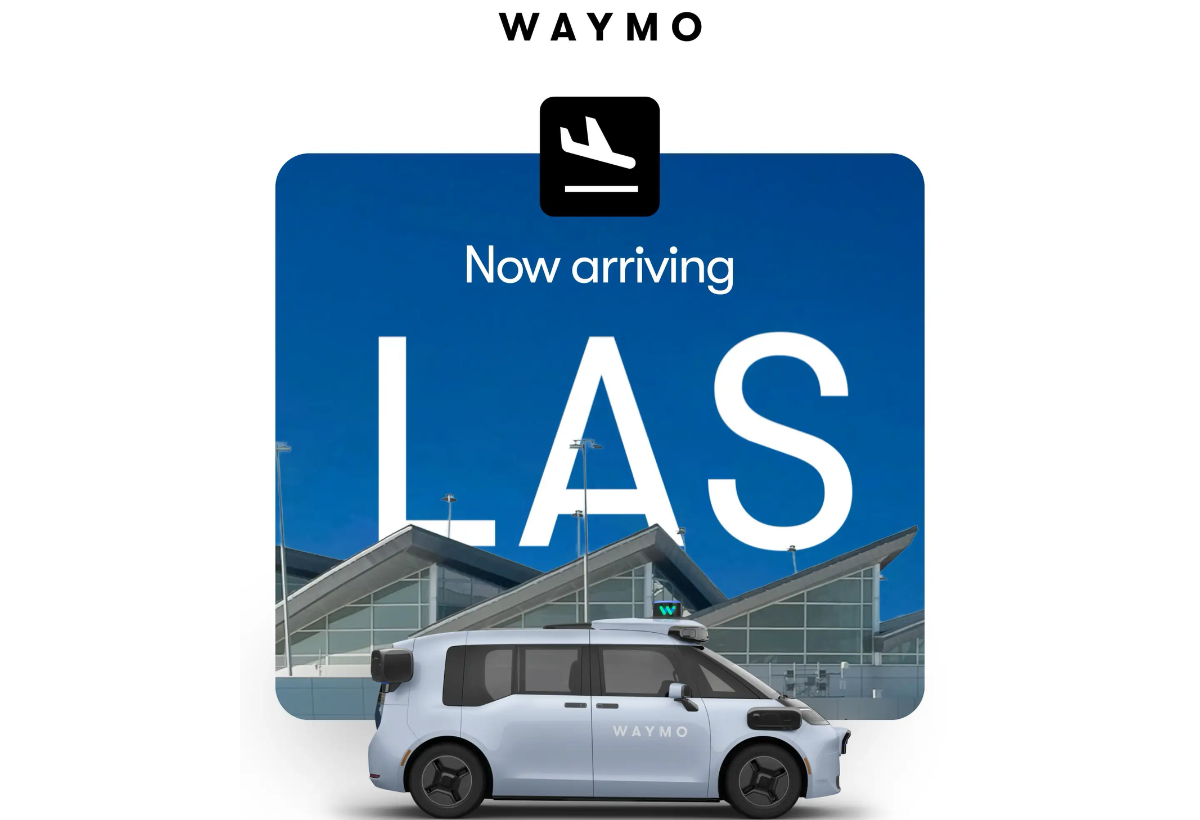
New mobility services are also starting indoors. Waymo’s airport service in Las Vegas picks passengers up from dedicated zones on the Ground Zero Level of Harry Reid International Airport’s Terminals 1 and 3. In Hong Kong, MTR’s autonomous shuttle trials link the West Kowloon high-speed rail terminus with Kowloon Station on the Airport Express.
Booking, tracking and meeting these vehicles all assume the passenger’s phone works where they’re standing.
Three Groups Relying on the Same Signal
Passengers are the most visible group. They need a connection to open tickets, check live departures and use assistance apps, and they notice quickly when a basement concourse shows no service.
Staff and security teams depend on radios and contact with the control room. For station and terminal teams, a dropped call is more than an inconvenience. The British Safety Council, a UK charity, links connected safety communication between managers and frontline workers to a stronger workplace culture.
Emergency responders are the third group, and the one with the least room for failure.
The pressure shows when everyone needs the network at once. Imagine, as a hypothetical example, a signal failure that delays trains at a busy interchange during the evening peak. Staff in a lower concourse need to redirect crowds while hundreds of passengers refresh their journey apps. If coverage drops at that level, both groups lose information when it matters most.
What Happens When Responders Lose Signal
This risk isn’t theoretical. After the July 2005 bombings, the London Assembly’s review of the response looked at how emergency services communicated below ground.
The London Assembly's 7 July Review found:It is a cause for concern that they do not have radios that function underground.
Two decades on, that gap is being closed. In April 2026, work was announced to extend the Emergency Services Network (ESN) to 137 underground stations across the Tube, Docklands Light Railway (DLR) and London Overground. ESN will replace Airwave, the radio network Britain’s emergency services use today, and British Transport Police is expected to be one of its largest users.
In the US, many fire codes set firm targets. A typical local regulation requires responder coverage across 95% of floor area in general areas and 99% in critical spaces such as exit stairs and fire command centres, backed by 24 hours of battery power. Operators usually meet these requirements with distributed antenna systems, which carry responder radio signals into basements, stairwells and plant rooms that outdoor masts can’t reach.
Planning Coverage Into the Life of a Hub
The most reliable coverage is designed in from the start. An early radio survey shows how materials and depth will affect signals while there’s still time to add cable routes and equipment rooms.
Operators then decide whether they need a neutral host system shared by mobile networks, a dedicated public safety system or both. Commissioning tests prove the system works before opening, and regular retesting keeps it that way.
Coverage also needs revisiting whenever the hub changes. A refurbishment, a new concourse or a change of use can each create fresh dead spots. As a hypothetical example, a new underground walkway opened without a plan could leave staff and responders out of contact along its whole length.
Monitoring and backup power keep everything running during an incident. A strong network also underpins newer tools, since the AI analytics explored in a look at public safety for smart transit systems are only useful if alerts reach staff on the move.
Reliable connectivity also supports logistics operations around busy transport hubs. Solutions such as Descartes multi drop route planner help operators plan efficient delivery routes, reduce delays and manage multiple stops. Strong connectivity ensures drivers and dispatch teams can access real-time updates and respond quickly to changing conditions.
Coverage Belongs With the Core Systems
Transport hubs are now the starting point for more of the services that keep people moving, from digital tickets to autonomous shuttles. Each one assumes a live connection inside buildings that naturally block it.
Treating coverage as part of the infrastructure, alongside power and lighting, gives passengers, staff and responders the signal they all depend on.