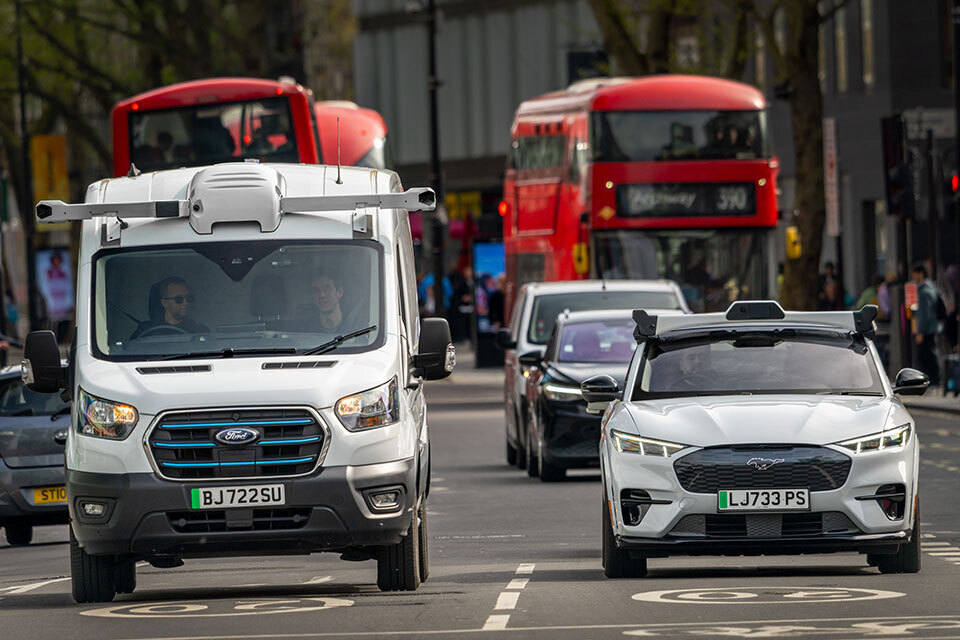
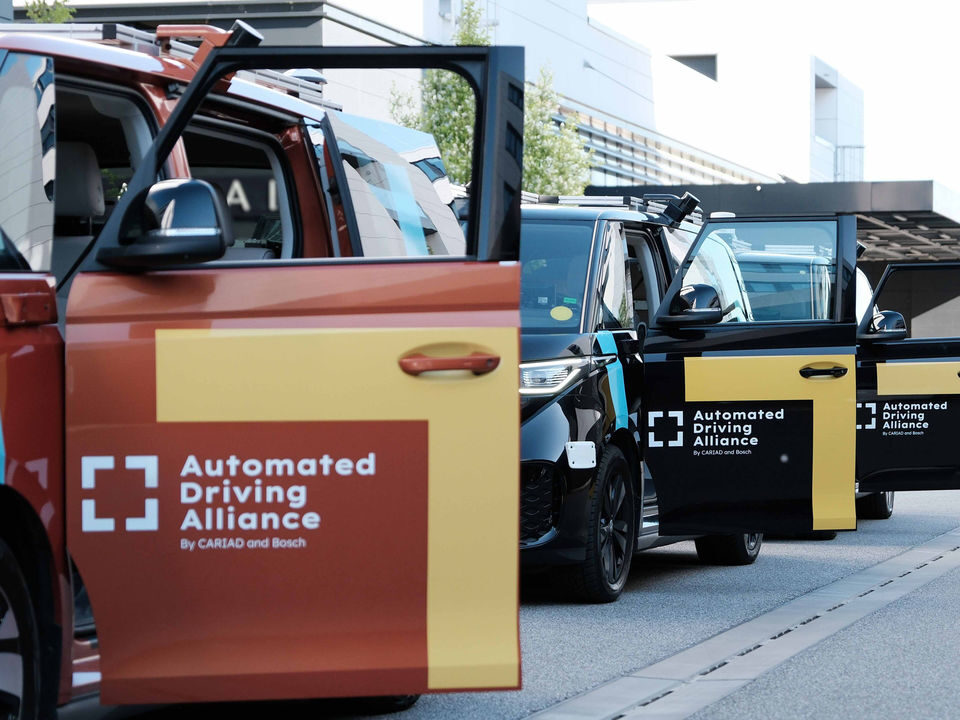
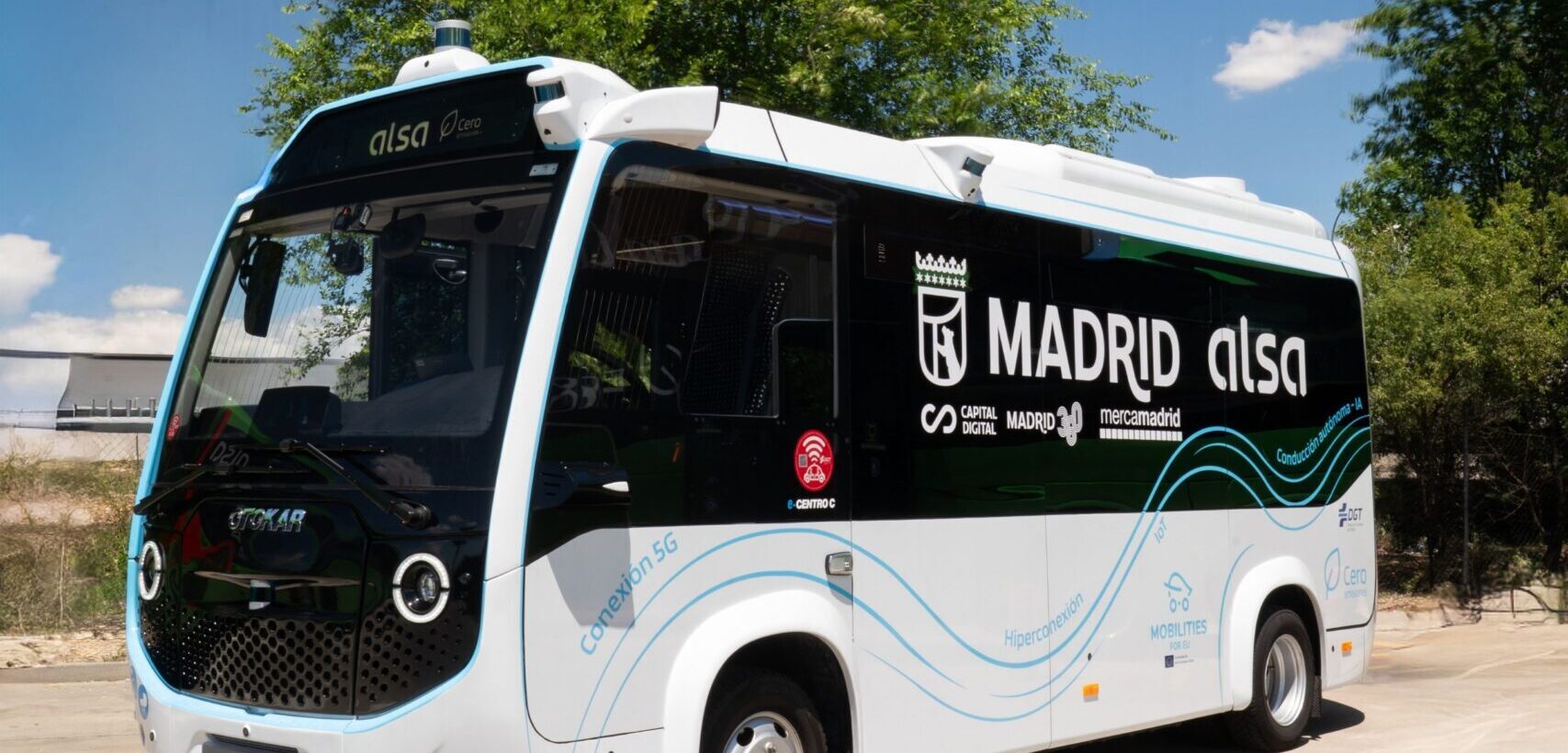
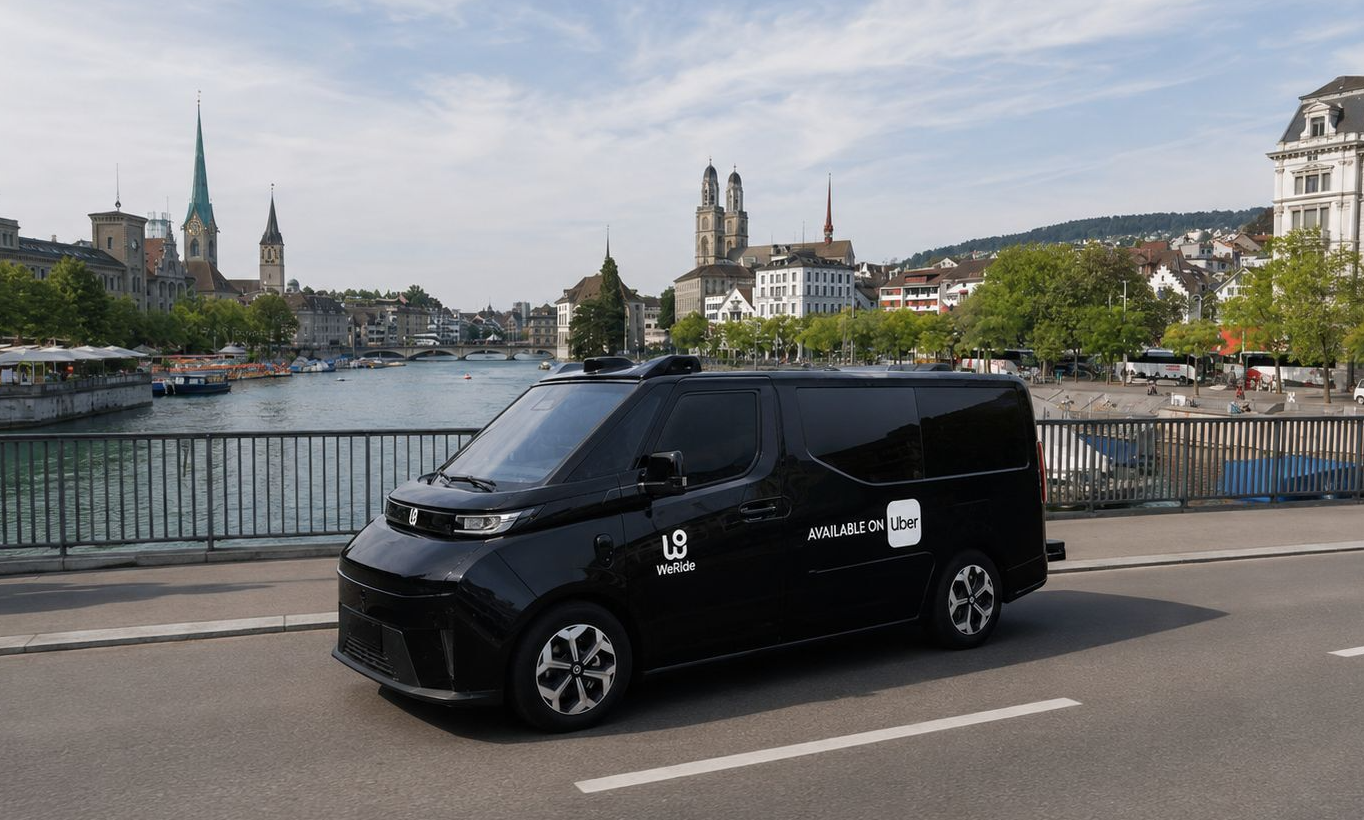
Rather than acting as distinct conferences, this year’s editions of AutoSens and InCabin USA highlighted how rapidly exterior perception, interior sensing and artificial intelligence are converging. Discussions ranged from autonomous vehicle deployment and sensor architectures to driver monitoring, occupancy sensing and simulation, revealing an industry increasingly focused on understanding both the road outside and the people inside the vehicle.
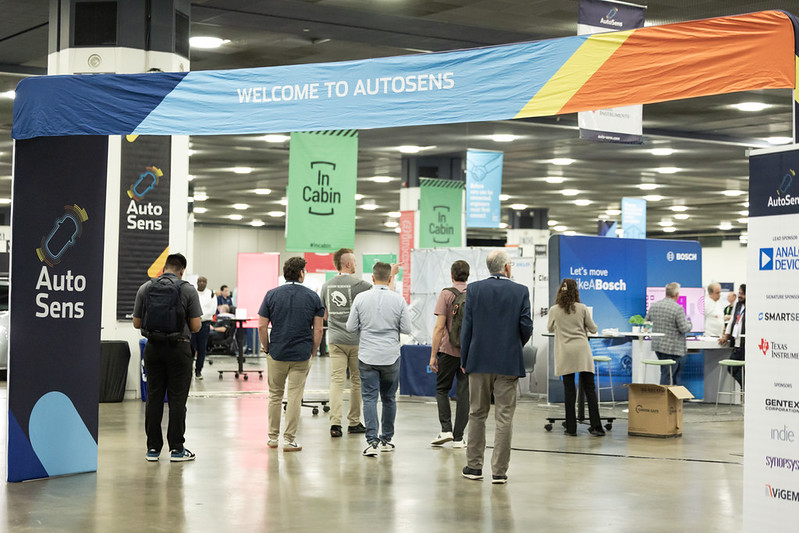
Here are eight themes that emerged across our coverage.
1. Vehicle perception is becoming a complete system, not a collection of sensors
AutoSens highlighted that future vehicles will rely less on individual sensing technologies and more on combining multiple sources of information.
This was reflected in discussions around cameras, radar, lidar, thermal imaging and sensor fusion, with speakers emphasising that reliable perception depends on how these technologies work together.
Read more: AutoSens USA Showcases Advances in Automotive Sensing and Perception
2. Driver monitoring is no longer separate from ADAS
Several speakers argued that advanced driver assistance systems (ADAS) and driver monitoring systems (DMS) should no longer be developed independently.
Instead, future safety systems will combine information from both the vehicle’s surroundings and the driver’s state, allowing assistance systems to better judge when intervention is required.
Read more: Why the Future of Vehicle Sensing Depends on Combining ADAS and DMS
3. Regulation remains a key challenge for autonomous vehicles
While autonomous driving technology continues to mature, uncertainty around regulation remains a significant barrier to wider deployment in the US.
Industry leaders suggested that clear, national frameworks would help accelerate commercial deployment and reduce fragmentation between states.
Read more: Is a Regulatory Gap Stalling US Autonomous Vehicle Deployment?
4. Better autonomy still begins with better perception
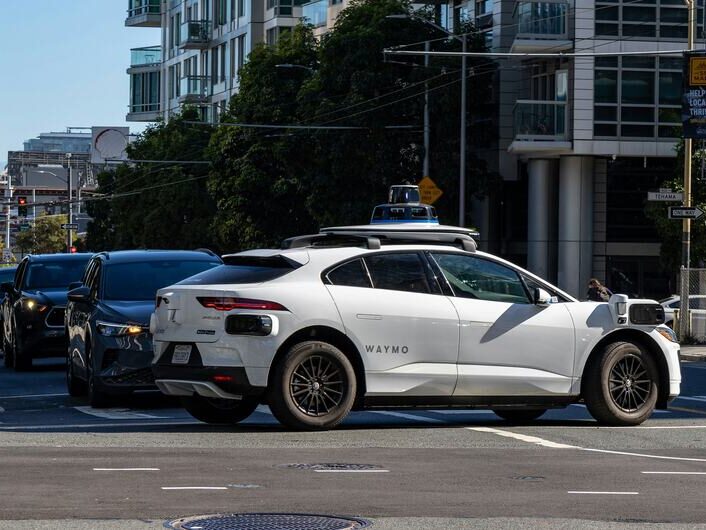
Whether discussing Waymo’s robotaxis or next-generation camera systems, speakers repeatedly returned to one point: autonomous driving depends on accurately interpreting complex environments.
Advances in artificial intelligence may be accelerating perception capabilities, but high-quality sensor data remains fundamental.
Read more: Waymo’s Autonomous Vehicles Still Depend on Seeing the World Clearly
5. Connected vehicles are becoming infrastructure sensors
Vehicles are increasingly collecting information that extends beyond driving itself.
Road condition monitoring, traffic management and digital infrastructure all stand to benefit from connected vehicle data. However, questions remain over how the information should be shared.
Read more: Connected Vehicles Are Collecting Infrastructure Data. Who Gets Access?
6. Virtual testing remains essential
Simulation featured throughout both conferences as developers seek faster and more scalable ways to validate increasingly complex sensing systems.
The launch of rFpro’s in-cabin simulation platform reflected wider industry efforts to shift more development and validation into virtual environments before vehicles reach physical testing.
Read more: rFpro Launches In-Cabin Simulation Tool for DMS and OMS
7. Interior sensing expands beyond driver distraction
InCabin demonstrated how cabin monitoring extends beyond checking whether drivers are paying attention.
Developers are increasingly using interior sensing to understand occupant behaviour, seating position, child presence and overall cabin awareness, supporting both safety and future driving functions.
Read more: InCabin USA 2026 Showcases Latest Interior Sensing Technologies
8. Impairment detection is a safety priority
One of the many thought-provoking discussions from the conferences centred on the distinction between intoxication and impairment.
Rather than detecting alcohol alone, future systems may focus on identifying a broader range of conditions that could affect driving performance.
Read more: The Next Debate in Road Safety Is About Impairment, Not Intoxication
Taken together, the discussions at AutoSens and InCabin USA highlighted an industry developing integrated sensing ecosystems. As vehicles become increasingly capable of understanding both their surroundings and their occupants, advances in sensing technology will need to be matched by appropriate regulatory frameworks to support the shared goal of improving safety on our roads.