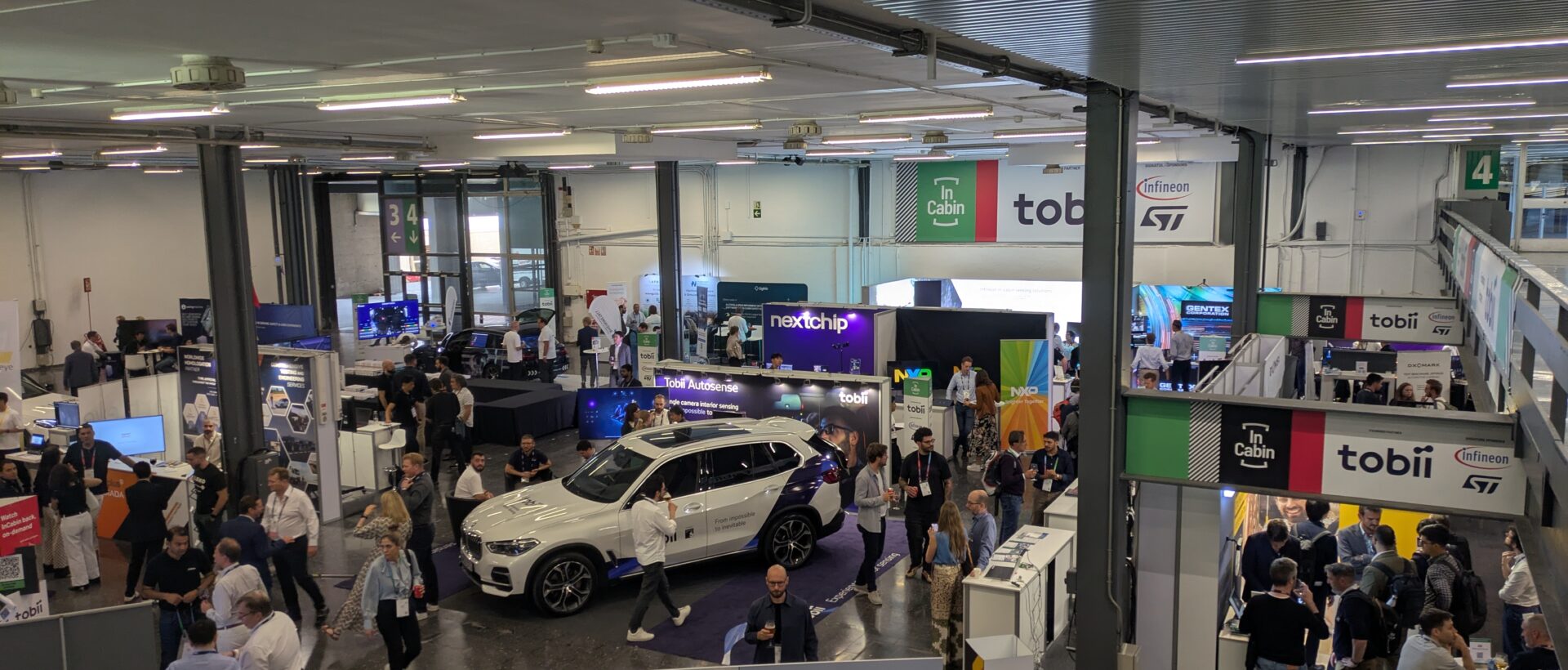
At InCabin USA, Albin Ekström at Smart Eye questioned what we are trying to measure when we talk about impaired driving, especially in relation to alcohol consumption.
Typically, the answer has centred around blood alcohol concentration (BAC), with drink-driving laws around the world built around the idea that alcohol levels can be measured and compared against a legal limit. This is achieved through roadside breath tests, ignition interlocks and police enforcement.
This approach makes sense, as legal systems need clear thresholds and police officers need a standard that can be applied consistently. Meanwhile, researchers have demonstrated that crash risk rises as BAC increases.
However, during a presentation on impaired driving detection, Ekström argued that vehicles may may benefit from considering the problem differently. Indeed, he stressed that legal intoxication and driving capability do not always align perfectly.
Ekström stressed the gap between population-level statistics and individual behaviour, with alcohol affecting different people in different ways. As such, two people can consume similar amounts of alcohol and display very different levels of impairment. Equally, two people with the same BAC reading may not present the same risk behind the wheel.
Albin Ekström, Technical Sales Engineer – Specialist in Impairment Data Collection, Smart Eye said:We need to find a new solution for looking at impairment. Impairment shouldn't be directly connected to BAC. BAC works well at understanding impairment at the population level, but at the individual level it breaks down exactly when you want to measure impairment.
To ask this another way: when does sober end and drunk begin? Where's the line? Where can you draw this line? Most of you who drink here know it comes gradually, it comes slowly. It's not a line. It's not a threshold. You can't say 'now you're drunk' and 'now you're not drunk'.
What we want to measure is not whether you're at 0.08. We want to measure whether you're fit to drive a vehicle. That's the important thing here. To save lives, we should measure impairment for individual driving.
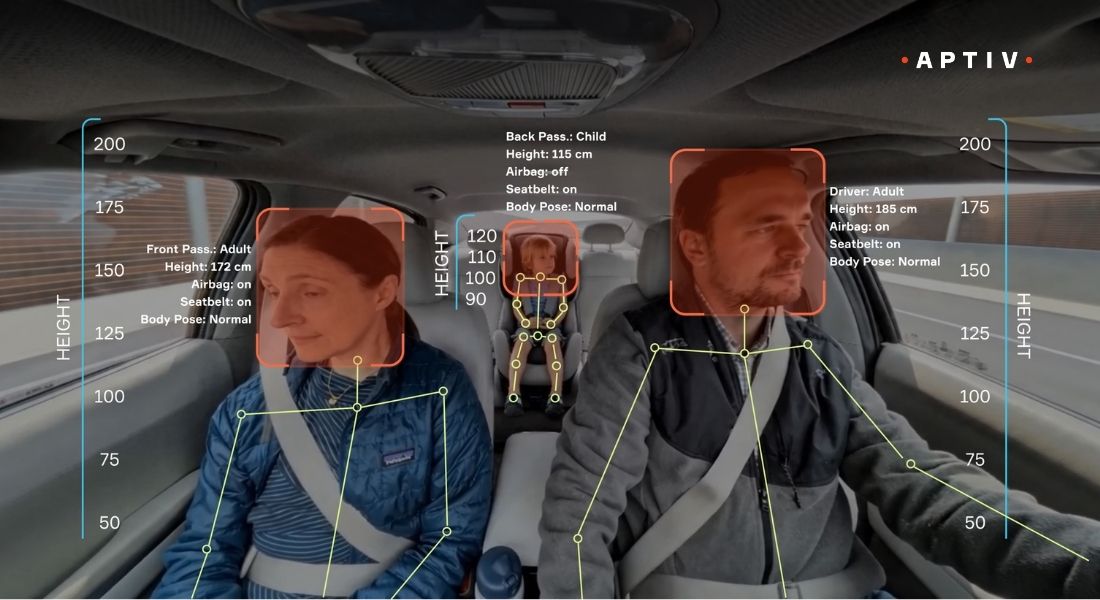
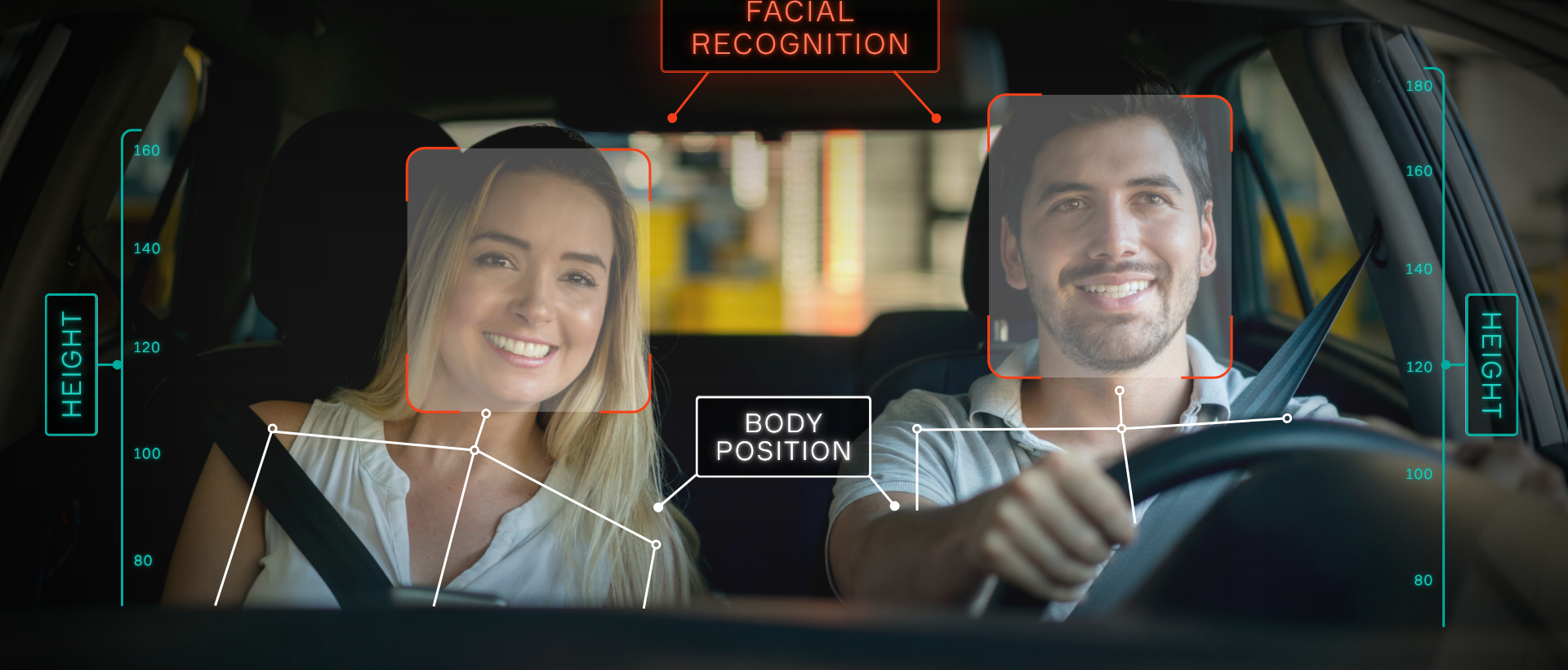
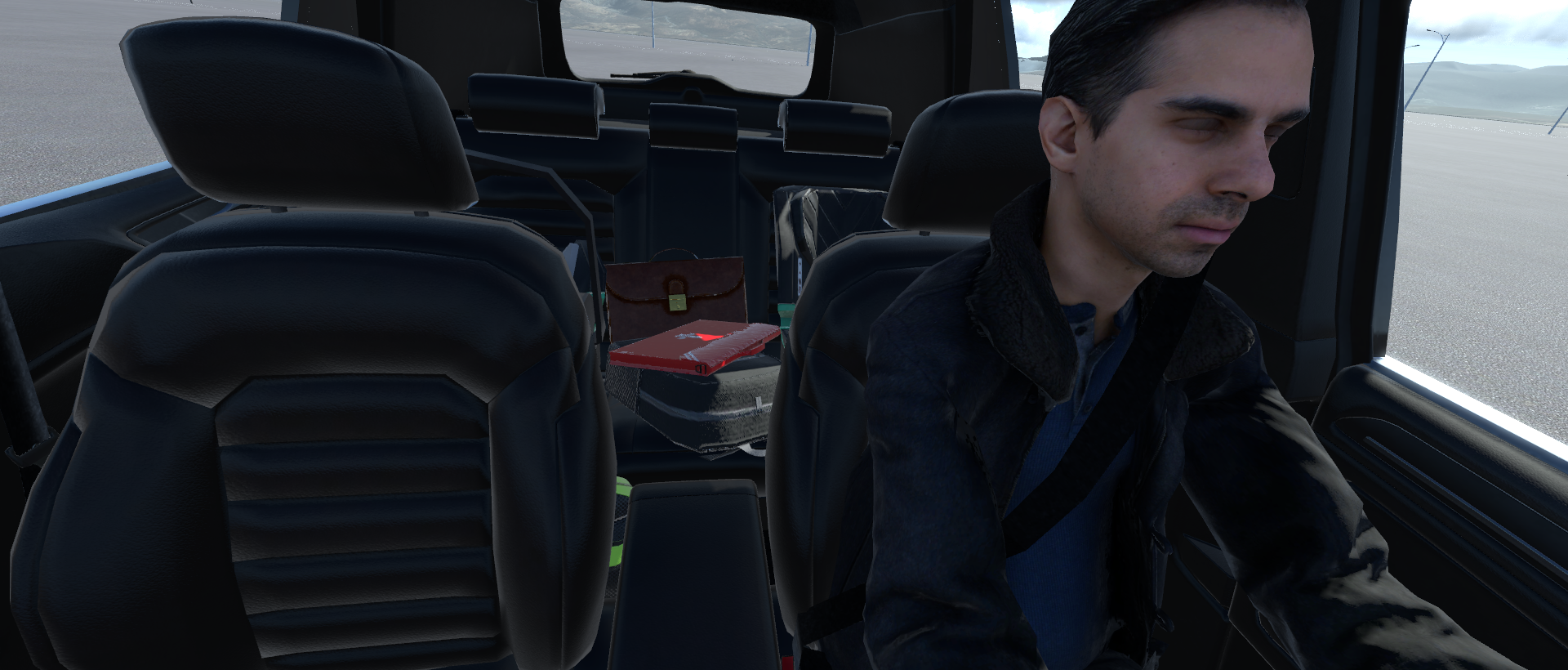
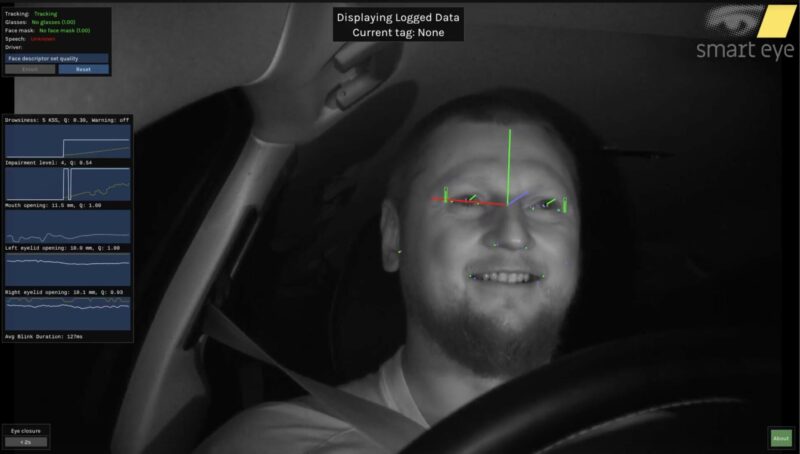
As a result, Smart Eye’s research has focused on the behavioural signs caused by alcohol. Its approach uses in-cabin cameras to analyse factors such as gaze behaviour, blink patterns and head movements. Rather than attempting to determine how much alcohol somebody has consumed, the goal is to assess whether their behaviour suggests they are still capable of driving safely.
This is arguably an ambitious endeavour, as the physical signs of impairment are not always obvious. In fact, Ekström’s data suggests that human guesses are only 60% accurate when determining whether a driver is intoxicated.
Instead, Smart Eye argues that the signs only become meaningful when viewed over time. Changes in gaze behaviour, attention patterns, and eye movements can reveal more than a single snapshot.
Once an impairment is detected, Ekström suggested that vehicles could use this data to adjust behaviour depending on the severity of the impairment. He pointed towards adjustments such as assertive lane-keeping systems, increased following distances and softened acceleration responses. The prospect that a vehicle could or should prevent the journey from taking place at all remains highly debated.
A key takeaway from Ekström’s talk was the prospect that the industry may start paying less attention to what a driver has consumed and more attention to what that driver’s condition means for the safe operation. Here, fatigue, distraction, illness, drug use and alcohol all become part of the same conversation.
Crucially, this does not mean legal intoxication limits are going away. But as vehicles gain a greater ability to observe their occupants, the industry may increasingly focus on whether someone is genuinely fit to drive, rather than legally allowed to.