Simulation software developer rFpro has launched a new package for developing and validating in-cabin monitoring systems, as vehicle manufacturers face new safety assessment criteria and regulatory requirements.
The new product, AV elevate IN CABIN, extends rFpro’s simulation platform from external sensing systems into the vehicle interior. The software is designed to support the tuning, training and testing of driver monitoring systems (DMS), occupant monitoring systems (OMS) and related sensing technologies before physical vehicle prototypes are available.
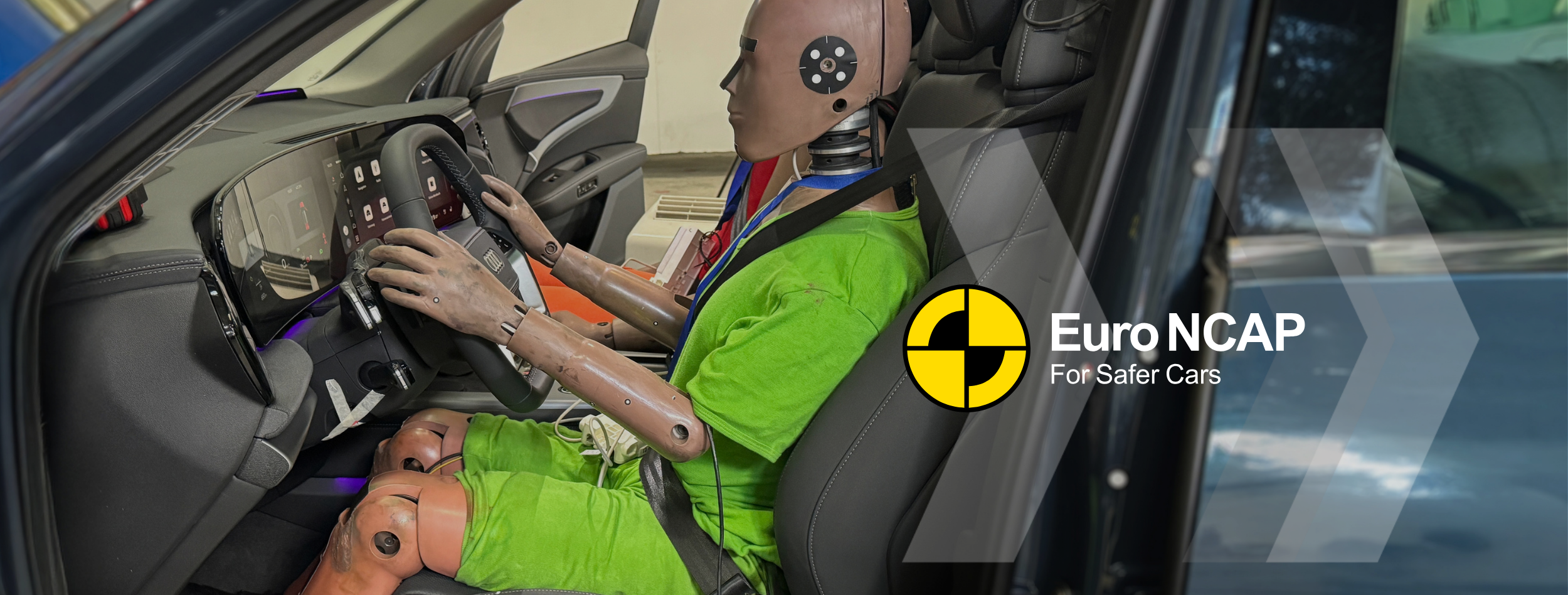
The launch comes ahead of changes to European safety regulations and vehicle assessment programmes. Under Euro NCAP’s 2026 protocols, driver and occupant monitoring systems carry greater weight within a vehicle’s overall safety rating. At the same time, Advanced Driver Distraction Warning (ADDW) systems are becoming mandatory for new vehicle types under the European Union’s General Safety Regulation.
These developments have increased attention on technologies capable of monitoring driver attention, detecting distraction and identifying vehicle occupants.
Matt Daley, Technical Director at rFpro said:Euro NCAP’s 2026 scoring changes make in-cabin monitoring one of the most consequential areas of vehicle safety development. When you combine that with ADDW becoming mandatory, it is clear that the demand to develop and validate these systems faster and earlier in the programme will only grow. We have taken our proven exterior simulation solution and applied the same techniques to the interior. AV elevate IN CABIN is a physically accurate, engineering-grade simulation environment enabling thousands of tests to be conducted before anything physical has even been built.
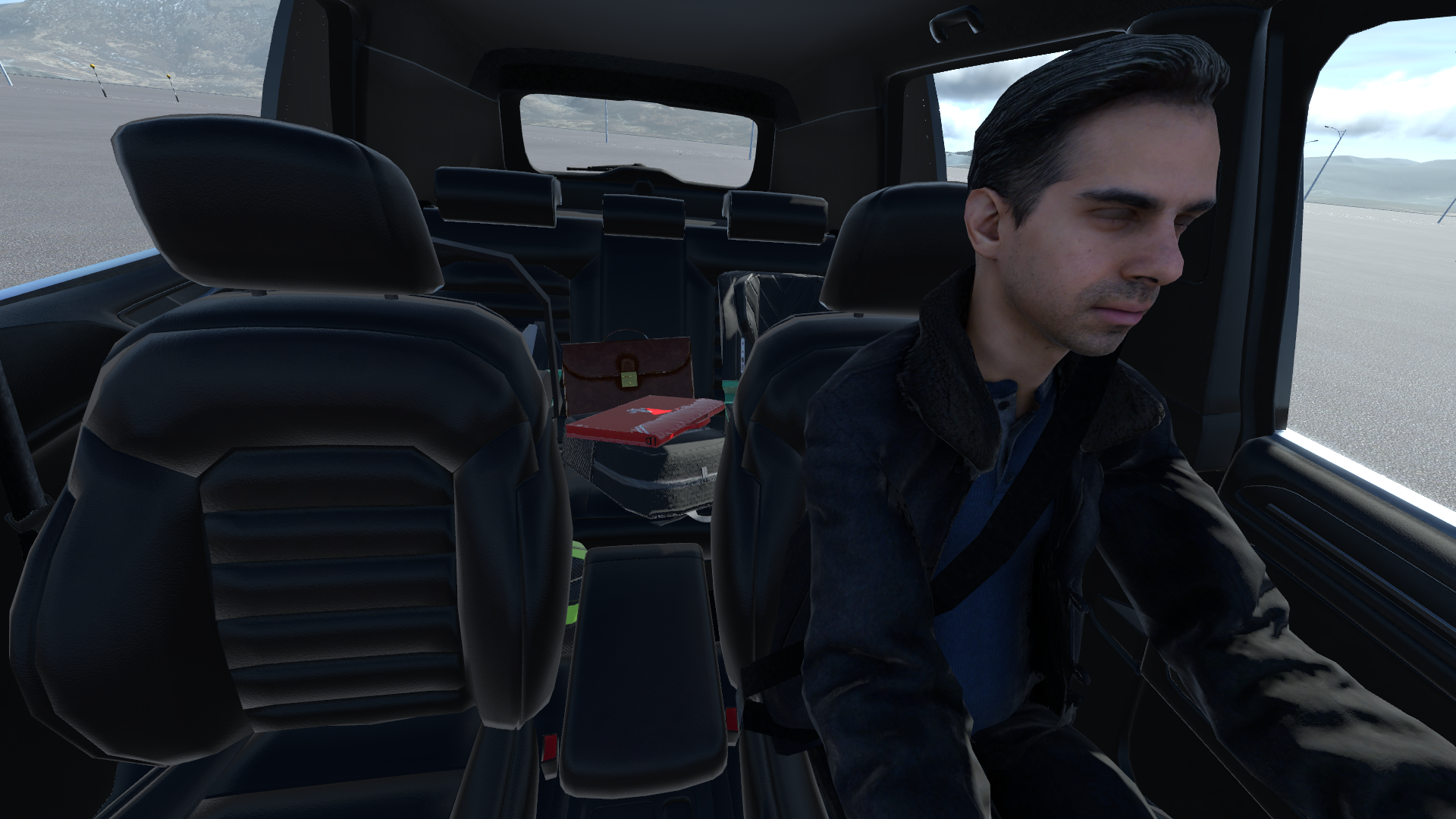
Unlike many advanced driver assistance systems that rely primarily on cameras, lidar or radar looking outside the vehicle, in-cabin monitoring systems must interpret occupant behaviour under a wide range of conditions. These include varying lighting environments, different occupant sizes and seating positions, and the presence of objects such as child seats, luggage and pets.
rFpro’s new simulation package models both infrared cameras and radar sensors commonly used for in-cabin sensing. The company has also added higher-fidelity interior vehicle models, including seat structures that may be invisible to cameras but detectable by radar systems.
The software includes detailed human models capable of replicating facial movements, eye movements and changes in posture. This allows engineers to test how monitoring systems respond to behaviours associated with distraction, fatigue or driver inattention.
The package also incorporates material properties intended to reflect how infrared and radar energy interact with interior surfaces. These characteristics were developed using laboratory measurements conducted through the Sim4CamSens research programme involving the National Physical Laboratory and the Compound Semiconductor Applications Catapult.
The growing focus on in-cabin sensing reflects a broader shift in vehicle safety development. While much attention over the past decade has centred on external perception systems used for collision avoidance and automated driving functions, vehicle manufacturers are increasingly being asked to confirm how effectively systems monitor the condition and behaviour of occupants inside the vehicle.
The same technologies may also have applications beyond regulatory compliance. Occupant detection systems can be used to support airbag deployment strategies, child presence detection, driver state monitoring and future automated vehicle functions that require an understanding of passenger activity within the cabin.
Looking further ahead, understanding who is in the cabin and what they are doing is essential for autonomous vehicle operations, not just for safety, but for the passenger experience. If you know where occupants are, you can optimise everything from airbag deployment to noise-cancelling audio. We are looking to partner with sensor developers and OEMs to help drive the direction of this capability further.
rFpro’s new capability is being demonstrated during AutoSens and InCabin USA in Detroit this week.