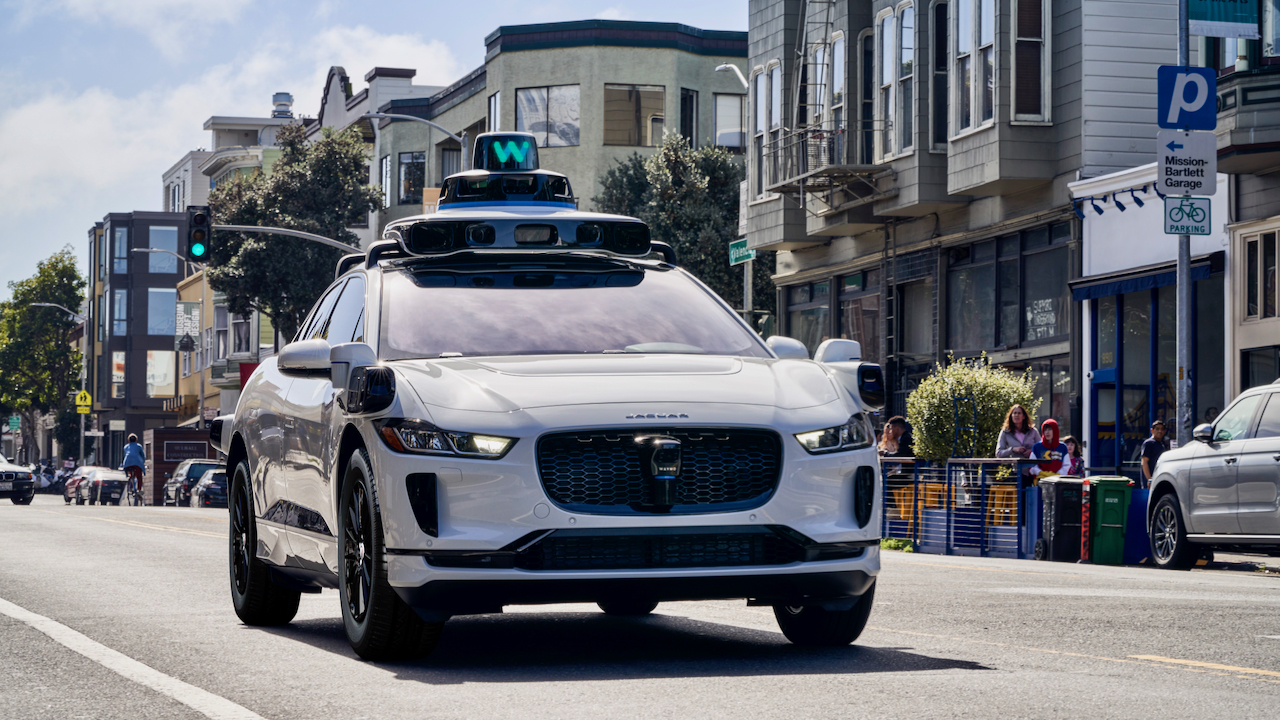
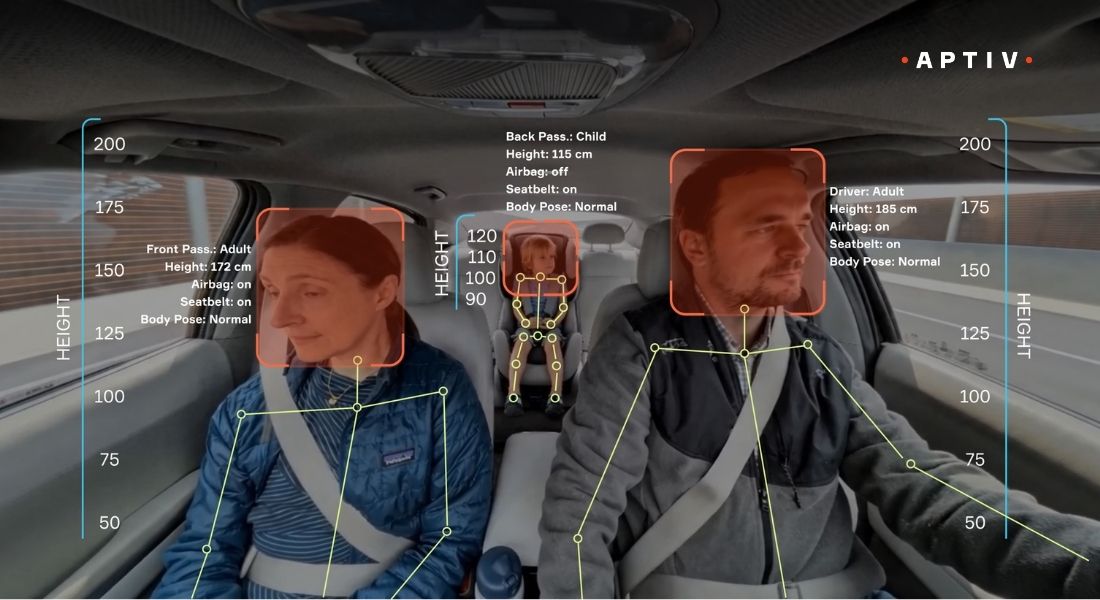
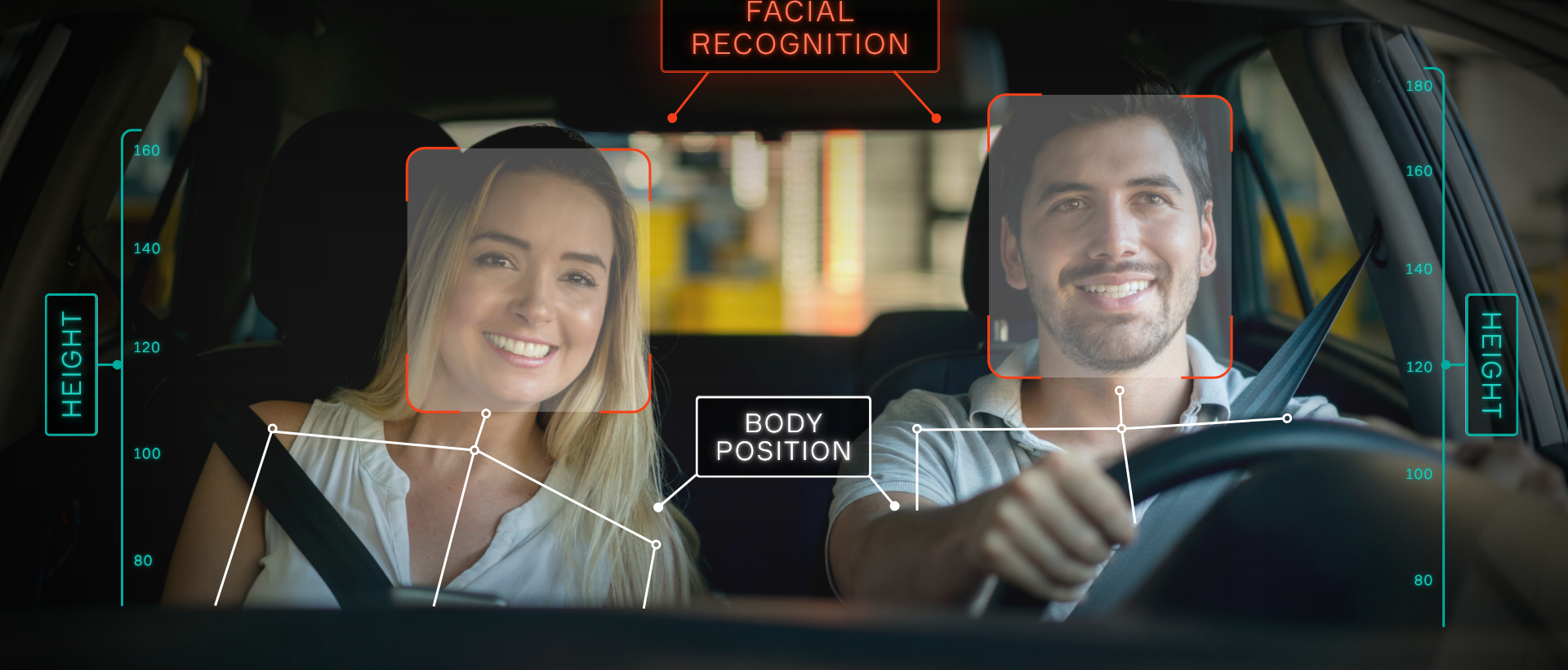
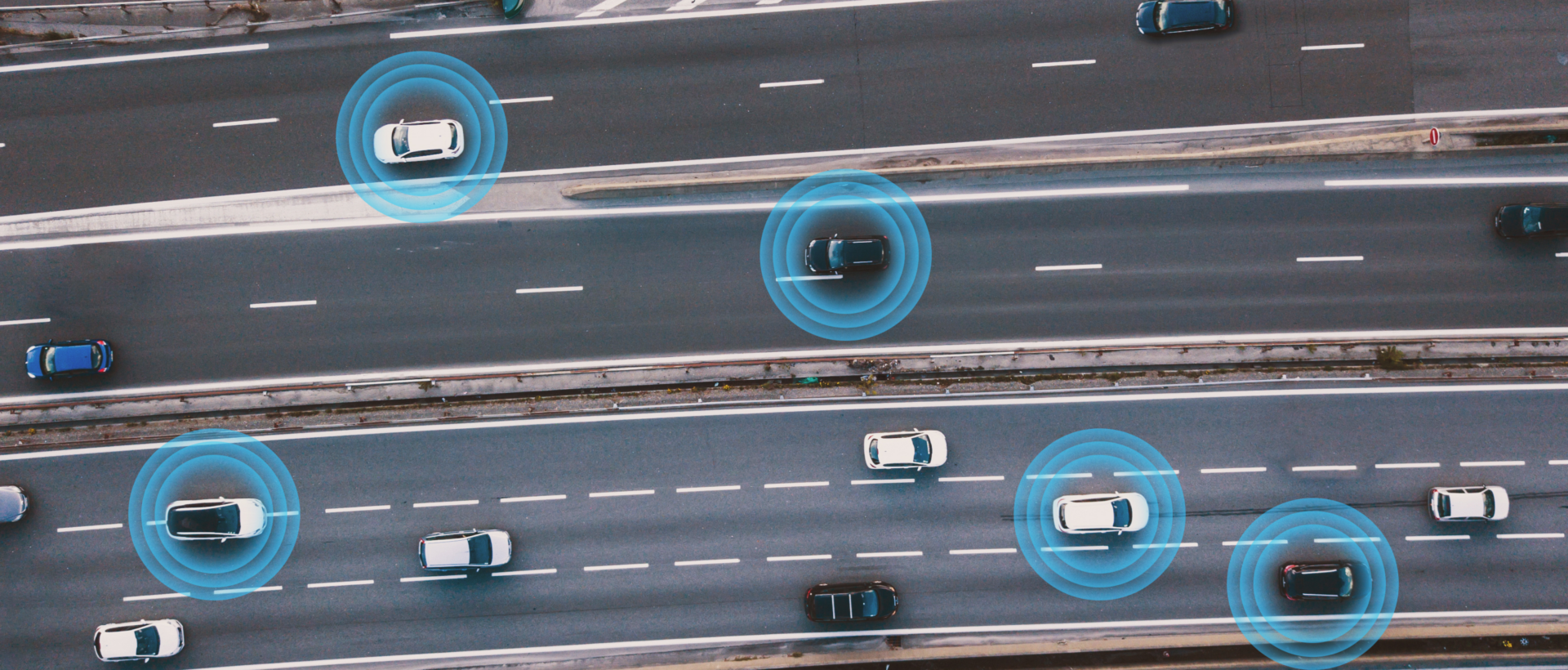
The automotive industry’s approach to sensing has typically been divided into two distinct domains: exterior and interior sensors. Exterior sensors have focused on understanding the road, while interior sensors have been tasked with monitoring the driver and occupants.
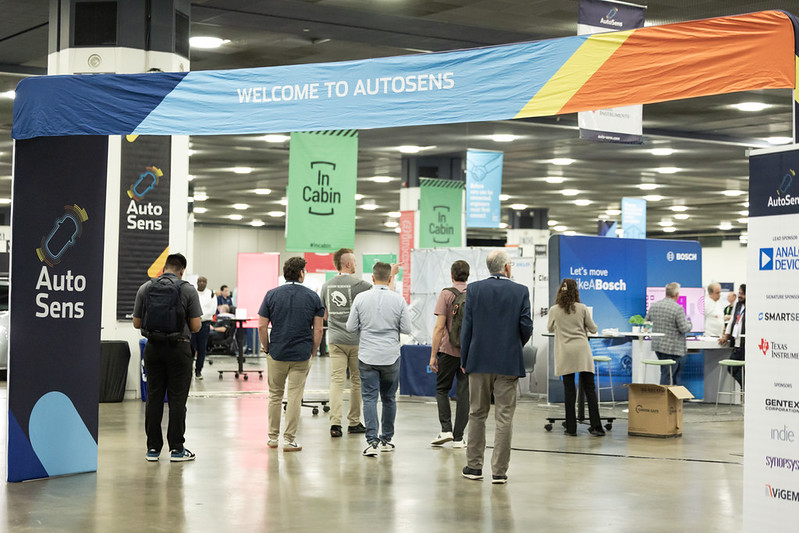
However, discussions across AutoSens and InCabin 2026, co-hosted in Detroit, suggest that evolving technologies increasingly benefit from the dissolution of this separation.

As both assisted driving and driver monitoring systems advance, the next phase of vehicle intelligence arguably depends on understanding what is happening outside and inside the vehicle simultaneously.
This convergence was a recurring theme throughout both events. For example, Carmen Patrascu, Head of Sales and Marketing at Tobii spoke at InCabin about the importance of understanding the context of the road when assessing whether a driver is paying attention.
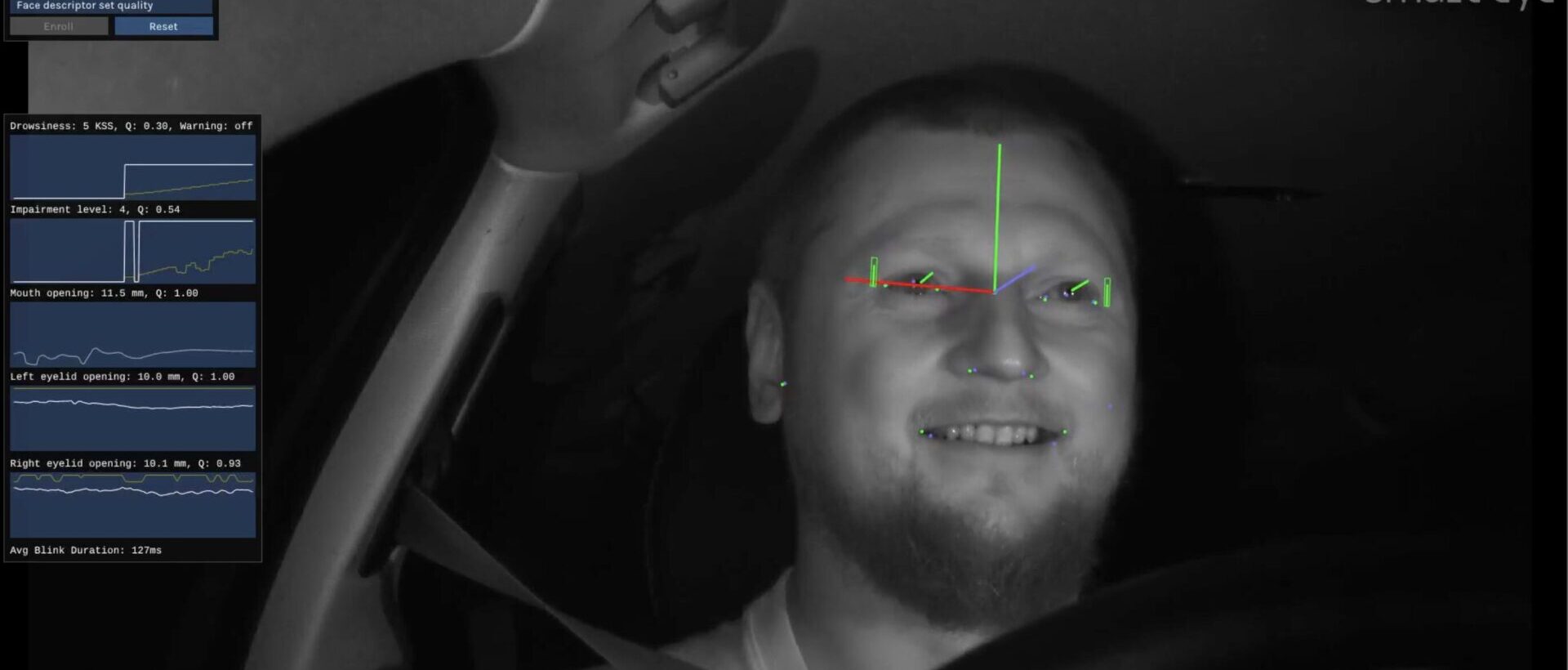
A driver approaching a roundabout, for example, will naturally look left and right, check mirrors and glance over their shoulder before entering traffic. A conventional interior sensing system may interpret that behaviour as distraction, because the driver’s gaze is not directed straight ahead. Yet, when exterior sensing data is incorporated, the same behaviour can be recognised as appropriate for the situation.
This argument was echoed during the event’s closing UnPanel discussion, which addressed the key themes that emerged over the course of the event. Here, speakers again argued that interior sensing can no longer be treated as an isolated system. Instead, future vehicle architectures will combine information from driver monitoring systems, ADAS sensors and vehicle data to build a more complete understanding of the occupant and the surrounding environment.
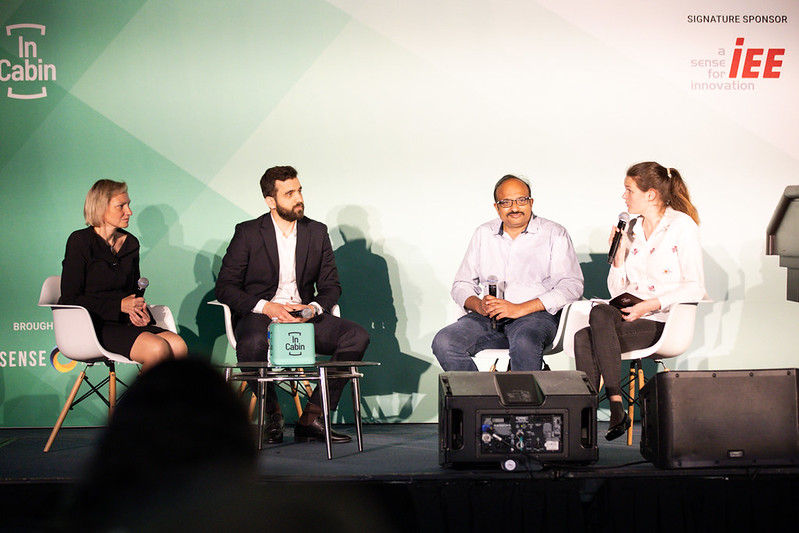
During the panel, Dr. Halina Niemiec, Product Management Director, Interior Sensing Systems at Magna, argued that this shift could help address one of the industry’s most persistent challenges: driver acceptance. Currently, many driver monitoring systems are perceived as intrusive, particularly when warnings are triggered in situations where drivers believe they are behaving appropriately.
By enabling the system to better understand the context of a driver’s behaviour, Niemiec argued that more effective DMS systems can be deployed.
One of the examples we have been looking at in Magna is when a driver is in very dense traffic with pedestrians and bicycles passing, so the driver starts checking their surroundings, which you are absolutely supposed to do. But currently, a lot of systems will consider this distraction and provide a warning, which should be suppressed in a more intelligent system.
Furthermore, Niemiec also highlighted that the integration of DMS and ADAS can unlock new functionalities to enhance safety. By observing conditions on the road and the driver’s awareness, the car can warn the driver of real-time dangerous situations.
Such safety applications were further emphasised by Sudharshan Nagarathnam, Systems Manager at Texas Instruments, who indicated that, in addition to the context on the road influencing DMS, driver behaviour should likewise influence how ADAS responds.
He argued that interior sensing should not simply monitor occupants but should help determine how aggressively or passively vehicle systems intervene. If the vehicle understands the driver’s state, it can adjust assistance systems accordingly.
For example, a DMS system should inform ADAS on whether the driver is already aware of a hazard. If the driver appears unaware of an obstacle, this could prompt action from the ADAS system, which may be unnecessary if the driver is alert and already responding appropriately.
Here, the vehicle should not only understand the road, but should also understand whether the driver understands the road.
Notably, the implications also extend beyond safety, and can be used to facilitate personalised vehicle functions, adapt infotainment systems, and tailor the driving experience.
Bogdan Petcu, Head of Product and Business Operations at Tobii, noted that a more detailed understanding of driver gaze can unlock a range of opportunities. For example, systems could identify when a driver’s attention is drawn to a particular landmark or billboard, and use that to provide additional information and personalise content.
Bogdan Petcu said:I think the main driver is still autonomous driving and and safety use cases, but it's another step towards starting to capitalise on the investment that this industry is making in these systems to bring the sort of value that the users are then willing to pay for. So it, it really opens up ways for new channels of monetisation. And I think that will attract a lot of potential.
These additional use cases can help create additional value for the user and further facilitate acceptance.
For Petcu, this is also an important consideration in how such systems are presented to drivers. Rather than being perceived as tools that supervise or police behaviour, he suggested that future sensing technologies should function as assistants that actively support the driver through the integration of interior and exterior sensors. Delivering tangible benefits beyond distraction and drowsiness detection could help shift perceptions of driver monitoring from a regulatory requirement to a feature that drivers appreciate.
By combining information about the driver with data about the surrounding environment, vehicles can build a richer understanding of context and deliver more intelligent, personalised and useful interactions.
The discussions at AutoSens and InCabin suggest that this contextual awareness may become a defining characteristic of future sensing architectures. The traditional distinction between interior and exterior perception is beginning to blur as vehicle systems increasingly seek to understand not only the road, but also how occupants are interacting with it.
In that sense, the co-location of AutoSens and InCabin mirrors a broader industry shift from separate ADAS and DMS systems towards context-aware sensing that understands both the environment and the occupant.