By Nicholas Lyes, Policy and External Communications Director at IAM RoadSmart
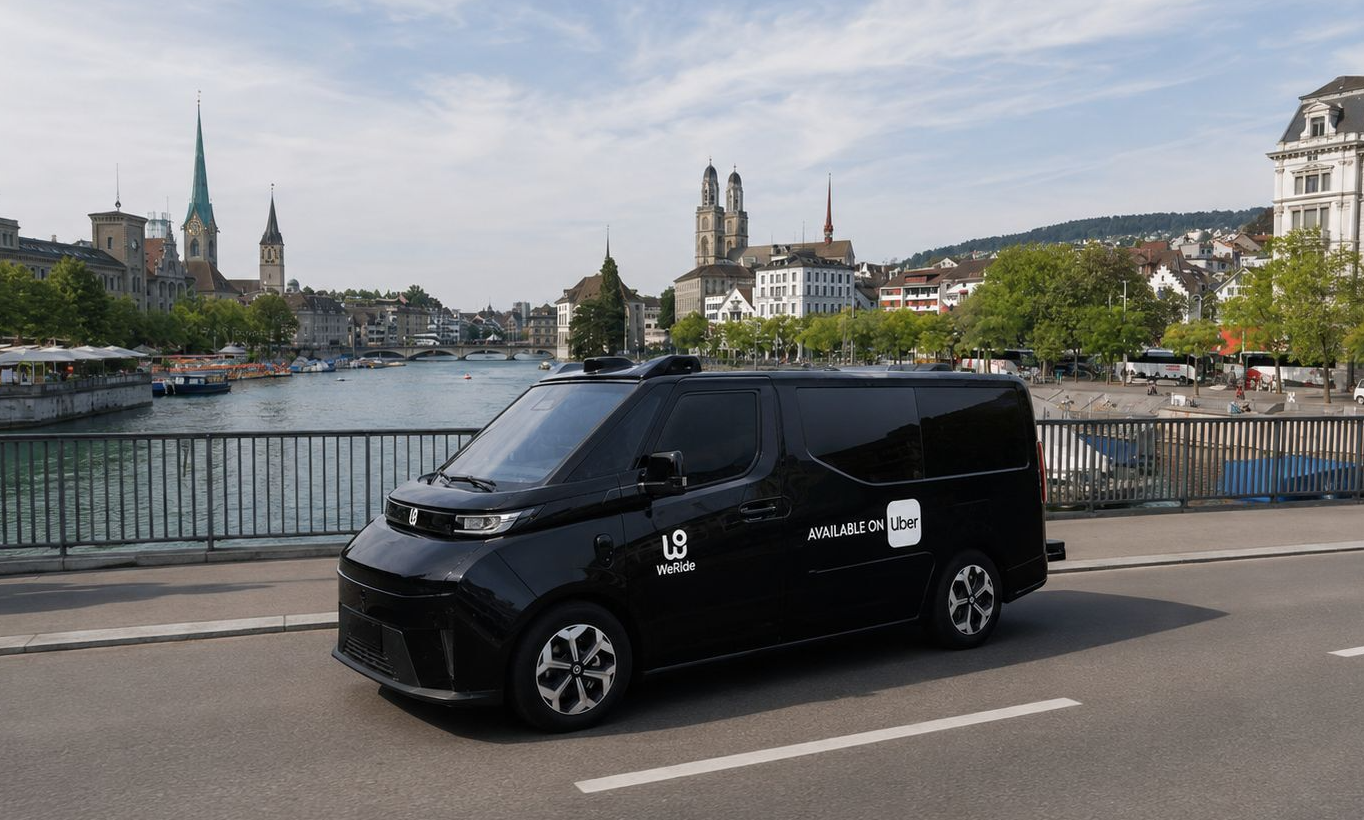
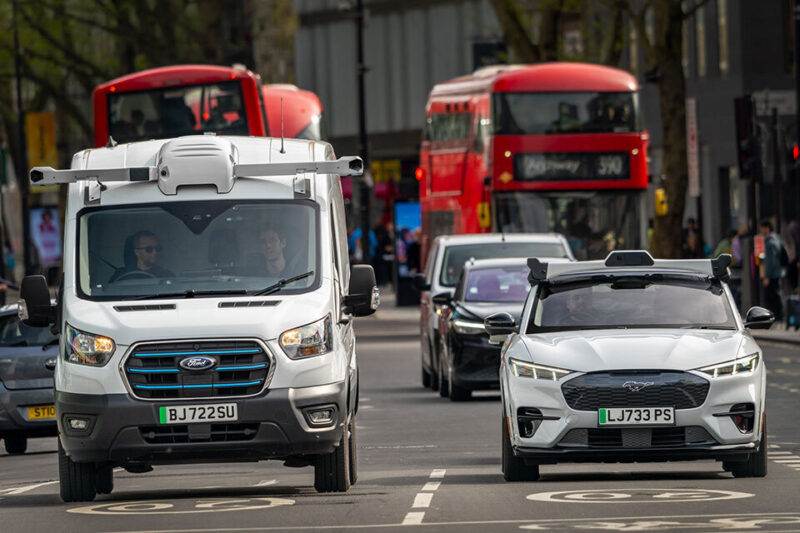
In days gone by, self-driving cars were the stuff of science fiction films, a mere figment of our wildest imagination. In 2026 though, they are very much real and expected to hit the UK’s roads within a matter of months, with self-driving buses and taxis having recently started trials in London.
For businesses, the rollout of self-driving vehicles might appear to be a golden opportunity in the medium-to-long term for improving road safety across their fleets. Here, Nicholas Lyes, Policy and External Communications Director at IAM RoadSmart, puts that theory to the test.
Safety under the spotlight
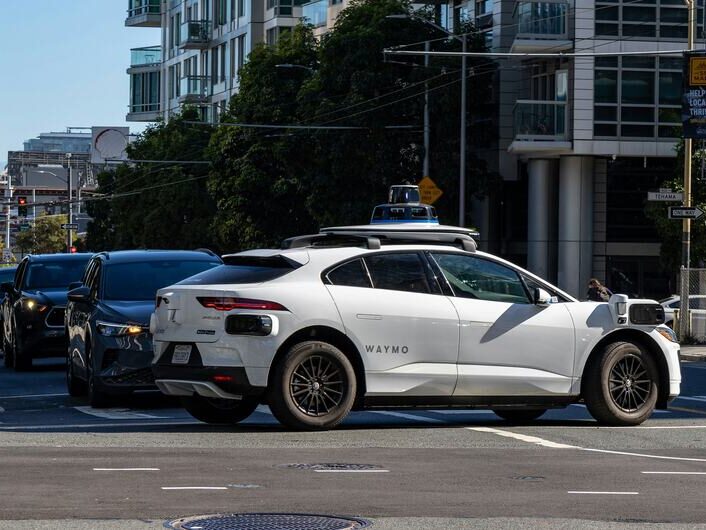
Self-driving cars may be set to make their full UK debut this year, but these vehicles have already begun operating in major cities across the United States, with robotaxis picking up fares in places like Los Angeles, San Francisco, Houston and Phoenix.
While the manufacturers of the technology have highlighted the potential for increased safety through its use, research shows that the number of crashes involving self-driving vehicles has increased in recent years, albeit from a low base number. Indeed, when comparing accident rates, early studies suggest that self-driving cars have 9.1 crashes per million miles driven, while regular, human-operated vehicles have just 4.1 crashes per million miles.
It is important to note, however, that we are still in the early stages of the rollout, and there’s a reasonable chance that self-driving cars will ultimately become considerably safer than human-operated vehicles as the technology evolves, thus minimising the potential error inherent in manual operation.
As it stands though, User-in-Charge (UiC) technology currently requires drivers in self-driving cars to monitor operations to ensure safety, and to be ready to take back control of the vehicle if necessary.
Despite this, Non-User-in-Charge (NUiC) technology enables vehicles to operate without a UiC, instead relying on AI models to predict nearby traffic movements and incorporate innovative features for planning safe vehicle movements. As such, the technology has the potential to alleviate the burden on a human operator to monitor systems, although ‘behind the scenes’ monitoring may still be required rather than ‘at the wheel,’ but also to reduce the likelihood of crashes.
It is important to note, however, that self-driving cars cannot control the actions of non-automated vehicles on the roads. Therefore, they aren’t able to reason in real time like human drivers are. However, the unpredictability of human road users could support the case for introducing more self-driving cars onto the roads. What’s more, urban driving is also extremely complex for autonomous vehicles, adding further safety implications to the technology.
The safety revolution isn’t upon us yet, but it is coming
It’s clear that safe automation is still a way off, and it remains uncertain whether the technology is currently safer than human-operated vehicles, which is precisely why testing is so important.
However, there’s a strong likelihood that the technology will eventually evolve to a point where it is capable of significantly reducing the number of crashes currently recorded on our roads.
In any case, businesses should continue to focus their efforts on ensuring that their drivers are properly trained in best road safety practices, to minimise accidents, the cost of repairs, and the reputational damage that they otherwise stand to bear.
Fleets should also be looking for ways that they can support their drivers in better understanding Advanced Driver Assistance Systems, a technology that can help to reduce the likelihood of collisions caused by human error through a range of vehicle assist functions.
Further information about this technology is available on the IAM RoadSmart website.
To find out more about the future of self-driving cars, and many other emerging vehicle technologies that are likely to have a significant impact on business fleets, listen to IAM RoadSmart’s podcast, Where’s My Flying Car?. New episodes of the podcast are uploaded every Monday here.