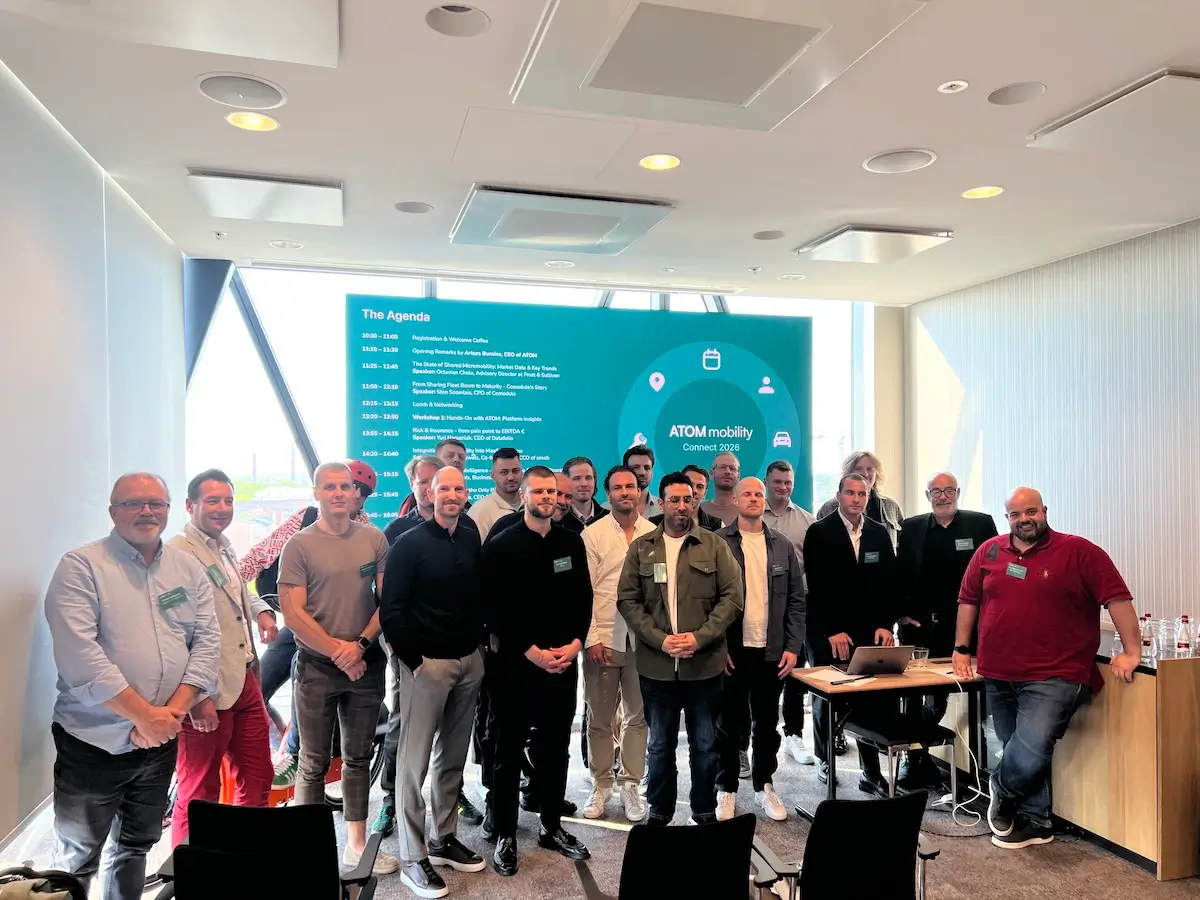
Shared mobility continues to evolve quickly. At ATOM Connect 2026 in Riga, operators, technology providers, and industry experts came together to discuss where the market is heading and what will define successful operators in the coming years. The discussions covered everything from fleet economics and regulation to AI, insurance, MaaS, and operator growth stories.
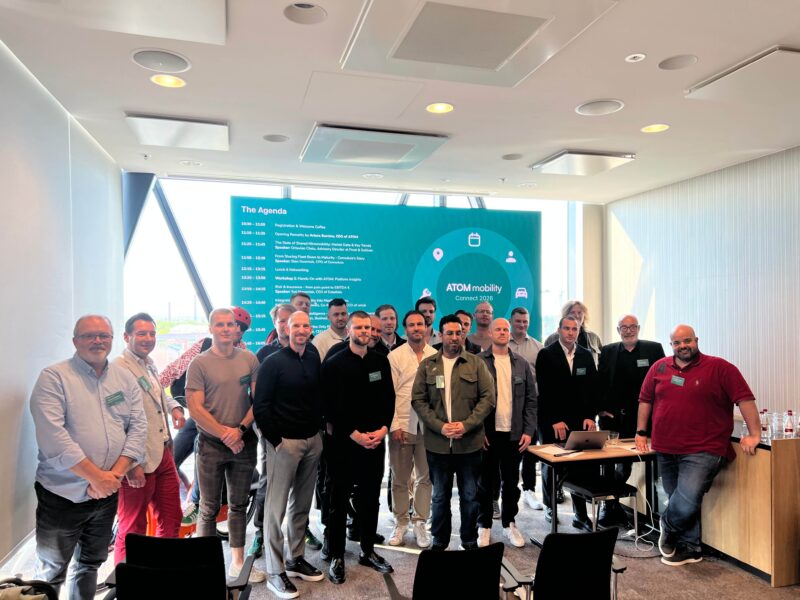
One thing became increasingly clear throughout the event: The industry is entering a different phase. Growth is still happening, but the rules for winning are changing.
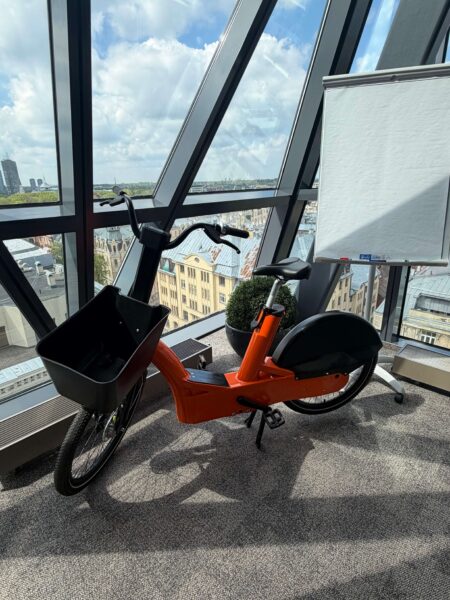
E-bikes are becoming the core shared mobility asset
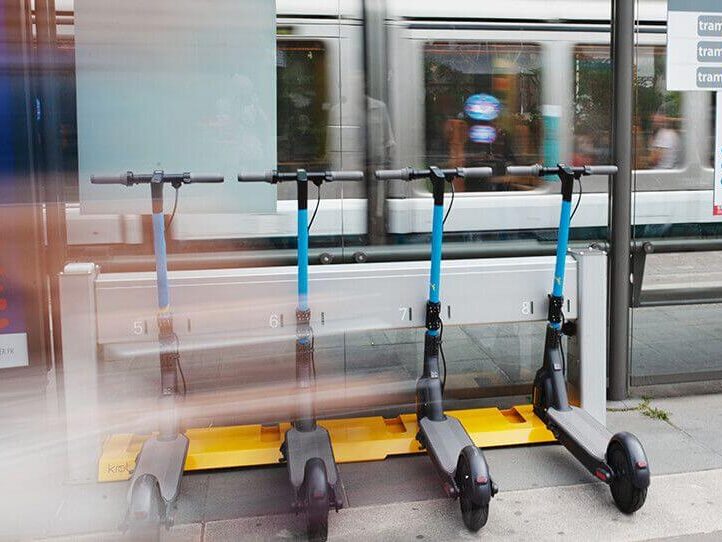
For years, shared e-scooters dominated headlines and rapid expansion stories. Now the conversation is gradually shifting.
Research presented by Frost & Sullivan suggests that e-bikes are increasingly becoming the preferred shared micromobility mode in many markets because of stronger unit economics, lighter regulatory friction, and changing rider behavior.
Some numbers presented:
- Average lifetime gross profit per shared scooter: ~$2,073
- Average lifetime gross profit per shared e-bike: ~$4,336
- Average scooter lifespan: ~3 years
- Average e-bike lifespan: ~4 years
Despite higher vehicle costs, e-bikes generate stronger long-term economics. We also saw examples from operators:
- Forest increased its e-bike fleet by 34%, while more cities increasingly support bike-focused mobility systems.
The interesting part is that e-bikes are gradually shifting from “fun transportation” toward everyday commuting infrastructure.
Growth continues while fleet size remains relatively stable
One surprising trend discussed during the event was that the European shared micromobility market continues growing despite relatively stable fleet sizes.
Normally, growth comes from deploying more vehicles. Now something different appears to be happening:
- Better utilization
- Increased rider adoption
- Improved retention
- Subscription models
This is an important shift because it suggests the market is becoming more efficient. Instead of flooding cities with additional vehicles, operators are increasingly focused on generating more value from existing fleets.
Subscriptions are becoming increasingly important
Historically, shared mobility relied heavily on per-ride revenue. That model is also changing.
Frost & Sullivan highlighted subscriptions as one of the strongest trends for 2026, with subscription-heavy models showing positive profitability dynamics. This aligns with what many operators shared during discussions. Subscriptions bring several advantages:
- Higher retention
- Predictable recurring revenue
- Lower customer acquisition pressure
- Better ride frequency
The industry may gradually move toward a model that looks more like SaaS and memberships rather than only pay-per-use transportation.
AI is moving from experiments to core operations
AI was one of the strongest themes throughout the event. Only a few years ago, AI in mobility often meant pilots and interesting demos. Now operators increasingly use it for daily operations. Examples discussed included:
- Demand forecasting
- Rebalancing optimization
- Predictive maintenance
- Safety monitoring
- Fraud detection
- Dynamic insurance pricing
- Battery optimization
Frost & Sullivan identified AI-powered demand anticipation as one of the highest-impact trends for operators in 2026.
Yuri Narozniak from datafolio also shared examples where AI predicts high-risk insurance zones and dynamically adjusts risk models based on ride behavior. Datafolio additionally introduced integrated rider insurance options, with approximately 25% long-term rider adoption.
Regulation is increasingly determining market strategy
Regulation has become one of the biggest variables affecting operator success. Different cities continue taking very different approaches. Examples discussed included:
Positive developments:
- UK extending e-scooter trials until 2028
- Netherlands approving road-legal e-scooters
- Oslo doubling scooter capacity
Restrictions:
− Prague banning shared scooters
− Italy tightening compliance requirements
Cities want fewer operators, stronger compliance, and more accountability.
Winning a market increasingly depends on safety records, operational quality, data transparency, compliance history rather than simply deploying larger fleets.
MaaS continues connecting fragmented mobility services
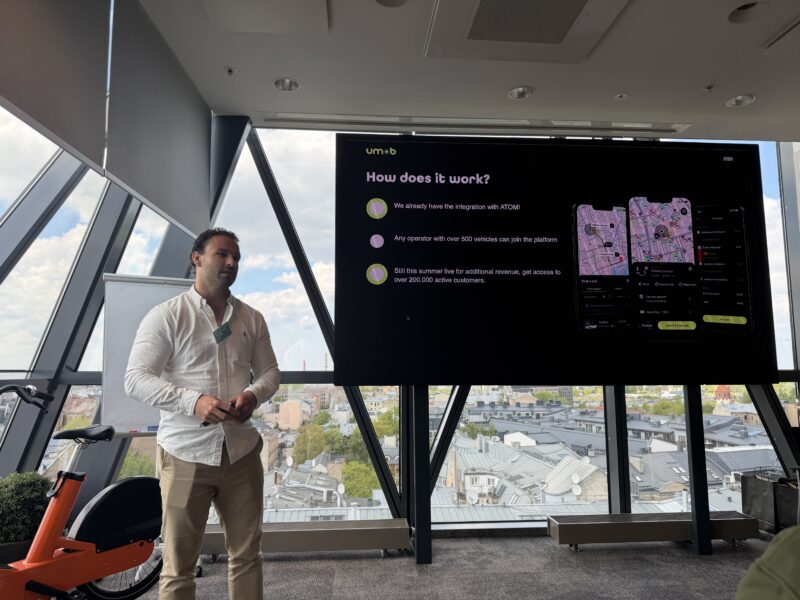
Raymon Pouwels shared the growth story behind umob and the continued expansion of Mobility-as-a-Service. The long-term vision remains simple: One interface, multiple transportation services.
Users increasingly expect transportation to behave similarly to digital services: Open one app -> See all options -> Choose what works best.
The market continues moving toward stronger integration between operators and MaaS platforms.
What separates operators who will win in 2026?
One slide from Frost & Sullivan summarized it particularly well:
“The operators still standing in 2026 didn’t win on product – they won on discipline, selectivity, and city relationships.”
Looking across both research and operator stories, common patterns repeatedly appeared:
- Lean and efficient operations
- Strategic market selection
- Diversified revenue streams
- Strong partnerships
- Data-driven decisions
- Safety and compliance focus
Thank you again to all speakers, partners, and participants who joined us at ATOM Connect 2026 and contributed to the discussions. We are excited to continue building the future of mobility together.
Want to continue the conversation?
Our team will be attending Micromobility Europe (June 2-3, Berlin) and we’ll have a booth there. If you’re attending too, come say hello, grab a coffee, and let’s talk mobility.
This article was originally published by ATOM Mobility.