Like every year, this EV Day will see inevitable comparisons between ICE and EV powertrains on parameters like performance, range and cost, and the wider implications of these fuel systems on the planet’s future.
These conversations matter. But the harder question is whether we’re using electrification to simply swap one engine for another, or to rethink how our cities move altogether.
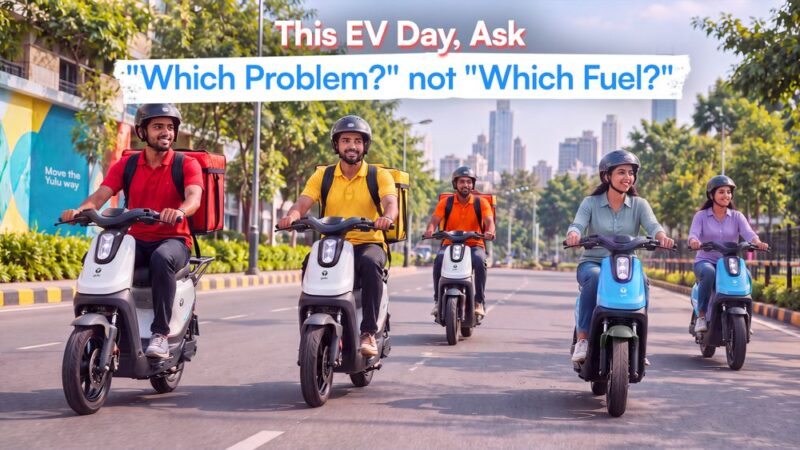
Yulu has a nuanced view on this issue. The bigger promise of the EV transition isn’t a fuel swap. It’s building a shared EV ecosystem that lets mobility stop being just an individual asset parked in a driveway and become part of a city’s fabric and social infrastructure, adding value to more people at every step.
The Solution Isn’t Just Electric; It’s Electric + Shared
The quest to clean up transport emissions doesn’t end with making every vehicle buyer replace their petrol or diesel vehicle with a battery-operated one. While EVs are better for the environment, having more personal EVs on the road is an incomplete fix to age-old problems like traffic jams and long travel times, which cause massive energy and productivity losses each year.
Hence, to be truly effective, the nature of EV usage must also shift, from ownership-based models to shared mobility-as-a-service (MaaS).
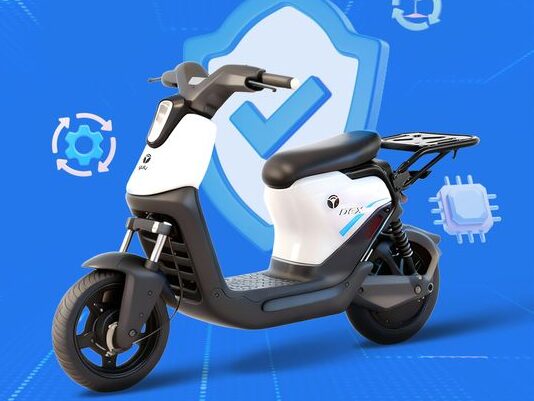
Look closely at how people actually move through a large Indian city, and the case for shared EVs becomes obvious. A majority of intra-city trips like your food order, the courier pickup, the ride to the metro station, or getting groceries and medicines within minutes, are short and well within the range of a compact, low-speed EV rather than a heavier personal vehicle built for longer, less frequent journeys.
Yet the conversation around EV adoption is still framed almost entirely around ownership. That framing excludes a large part of the population that mobility is meant to serve. A significant share of India’s workforce, particularly at the bottom of the pyramid, cannot afford the upfront cost of an EV, does not have access to financing, and in many cases doesn’t hold a driving licence at all. For them, “just buy an EV” isn’t a transition but a barrier.
Similarly, delivery and quick-commerce businesses that depend on thousands of riders cannot simply swap an entire fleet to electric overnight; the large capital outlay, battery charging and swapping infrastructure needed, and operational disruption make a sudden switch impractical.
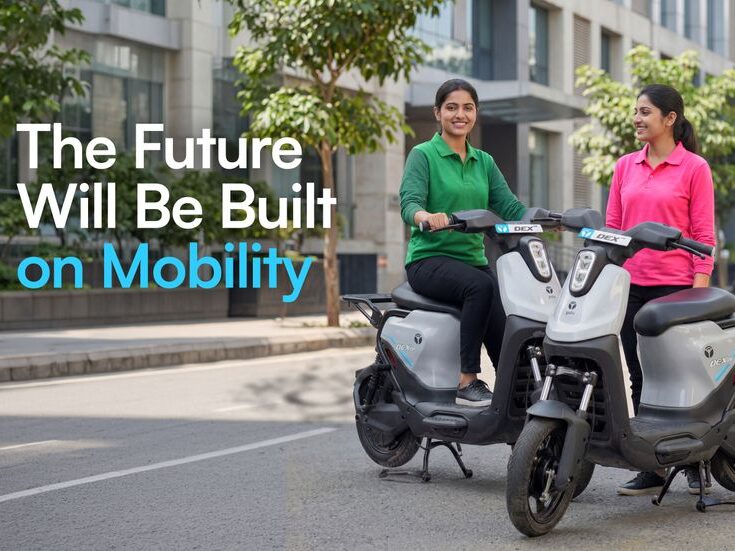
There’s a deeper shift underway here too. For decades, urban mobility was understood as two buckets: personal vehicles and public transport. A third category has now emerged and is growing faster than either, that of mobility in service of work itself. Delivery, quick-commerce, and on-demand home services (cleaning, repairs, beauty and wellness, and more) have created an entirely new class of trips, made by an entirely new class of worker. Notably, this is also where much of the female workforce is entering the gig economy for the first time, in roles that simply didn’t exist a few years ago. This isn’t personal mobility or public transit; it’s a third, distinct demand for mobility as a means of livelihood. Yulu’s shared EV network is built precisely for this shift, giving this workforce – including women who may not have had access to a two-wheeler or a licence before – an affordable, ready-to-use vehicle the moment they need to start earning.
Shared EVs: A Future-Ready Fix for Urban Mobility Woes
Shared EV models solve for both realities at once. They let a rider access a vehicle without owning one, and let a business electrify its delivery network without owning or operating a fleet itself.
This isn’t a theory unique to India. Cities with similar density and demographic pressures have already tested it at scale. In China, shared electric two-wheelers and e-bikes have become a default way to move through congested urban cores, absorbing millions of short trips that would otherwise add to traffic. Across South-East Asia, ride-hailing and delivery ecosystems have grown hand-in-hand with shared electric fleets, precisely because personal vehicle ownership was never a realistic starting point for the workforce powering them.
What connects these markets to India isn’t just geography. It’s the shape of the problem. Dense cities, a large workforce without the capital to own a vehicle, and a fast-growing need to move goods and people efficiently across short distances. In each case, the answer wasn’t simply “more EVs.” It was shared EVs, deployed as infrastructure rather than sold as products, letting access, not ownership, do the heavy lifting. That’s the Mobility-as-a-Service model Yulu has built for India, and it’s already played a meaningful role in the sustainable growth of the country’s EV ecosystem.
A privately owned vehicle spends most of its day parked. A shared vehicle can serve multiple users. And when shared mobility connects with public transport, it can reduce the need for every journey to begin and end with a privately owned vehicle.
Realising the Shared EV Ecosystem
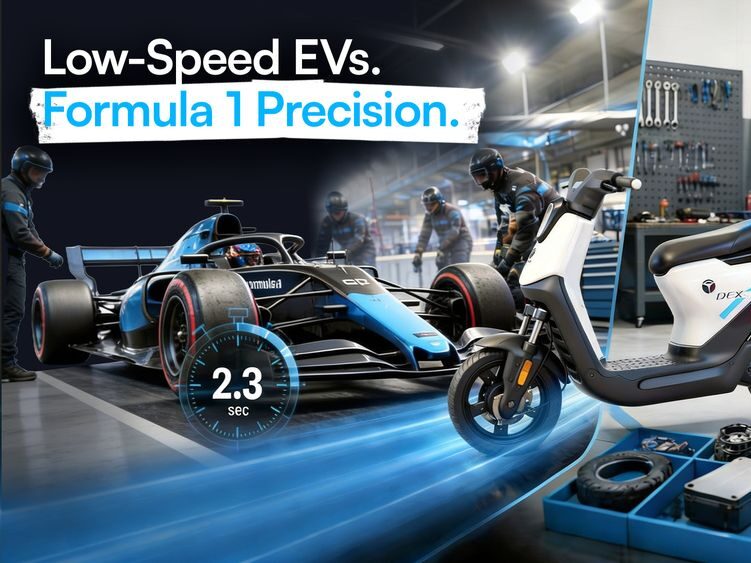
A functioning shared-EV network needs far more than vehicles. It needs pickup and drop zones placed where demand actually exists, a battery-swapping and charging network dense enough that a rider is never more than a few minutes from power, a maintenance operation that can keep thousands of vehicles roadworthy every single day, and the software to coordinate all of it in real time. Very few businesses and cities have the appetite to build this from scratch.
Yulu built that infrastructure and has also made it available to plug into, much the way AWS made computing infrastructure available on demand, so businesses no longer needed to build their own servers and data centres to scale.
A quick-commerce platform doesn’t need to own a fleet to electrify its last mile or a delivery executive doesn’t have to keep waiting to get a vehicle and start earning. They can plug into a network that already exists and already works. In doing so, Yulu’s model does three things at once: it democratises access to EVs for people who could never have afforded to own one, it takes vehicles off the road that would otherwise sit idle for most of the day, easing congestion, and it creates sustainable livelihoods for riders who need mobility to earn.
This kind of infrastructure didn’t exist in Indian cities before Yulu built it. There was no shared, electric, city-scale mobility layer that riders, delivery platforms, and quick-commerce businesses could simply plug into. That gap is now closing, but closing it further and faster isn’t something one company can do alone. It needs conducive policy: clear frameworks for shared-EV operators, dedicated space for charging and swapping infrastructure in city planning, incentives that recognise shared vehicles differently from personally owned ones, and support for the gig workforce that depends on this access to earn a living. Government bodies, urban planners, and other stakeholders now have the opportunity to grow shared EV infrastructure as public-interest infrastructure.
Together, Yulu riders have clocked more than 2 billion green kilometres across India today, and complete upwards of 20 million green