From the outside, launching a shared EV mobility service may look simple. But anyone who has actually tried building an urban mobility platform at scale knows that the vehicle itself is just a small part of the equation.
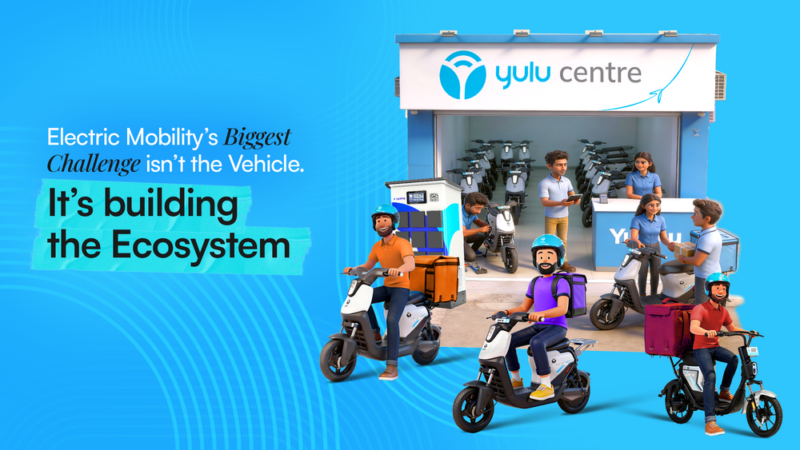
What truly determines whether a mobility platform succeeds or fails is the ecosystem surrounding the vehicle.
- Can vehicles be redistributed across high-demand areas in real time?
- Can a delivery rider quickly swap a discharged battery and get back to work in minutes?
- Can the system predict maintenance issues before a breakdown happens?
- Are there checks and balances to ensure these EVs, many of which run up to 100 kilometres every day, remain safe and compliant with traffic and safety standards at all times?
- Can riders trust the platform every single day?
For a delivery rider trying to complete dozens of orders every day, even small operational failures have real consequences. A dead battery, a vehicle breakdown or the inability to find an EV during peak hours directly impacts earnings. Until a few years ago, there was no ready-made ecosystem for such high-frequency EV usage in dense Indian cities.
The infrastructure, operating systems, energy networks and technology stack needed to support high-frequency shared EV mobility simply did not exist.
So Yulu built it.
More Than Just an EV
From the beginning, Yulu took a holistic view of mobility. The goal was never just to deploy electric vehicles. It was to create an urban mobility system that could work at scale for Indian conditions and rider behaviour.
That meant building multiple layers of infrastructure and integrating them into a seamless experience for riders.
Today, that ecosystem includes:
- Purpose-built, smart IoT-powered EVs and an app-based service model that make vehicles easily accessible and trackable
- A proprietary technology platform managing vehicles, battery reserves and operations in real time through operational hubs close to high-demand areas
- AI and machine learning systems for fleet rebalancing and predictive maintenance
- A dense battery swapping network in partnership with Yuma Energy, one of India’s leading battery-as-a-service companies
- Affordable, all-inclusive pricing of Rs. 3 per km for rental plan users, covering the bike, battery swapping and maintenance
Although other mobility platforms have emerged in recent years, Yulu’s advantage stems from this vertically integrated and technology-led mobility stack. Each of these components solves a specific operational challenge.
Why Infrastructure Matters
At the heart of Yulu’s intra-city delivery mobility ecosystem are Yulu Centres or YCs, strategically located operational hubs designed to support millions of high-frequency deliveries every month. Placed close to dark stores and high-demand urban neighbourhoods, these centres play a critical role in improving rider uptime and ensuring deliveries move efficiently across cities. YCs also enable proactive fleet monitoring and faster turnaround through predictive maintenance and streamlined deployment systems, helping vehicles stay road-ready at all times.
For commuters, Yulu shared EVs can be easily picked up and dropped off through a dense network of designated Yulu Zones spread across metro stations, residential complexes, tech parks, business districts and other high-footfall urban locations. This ensures easy vehicle accessibility, organised parking and seamless first and last-mile connectivity across cities.
Take battery swapping as another example.
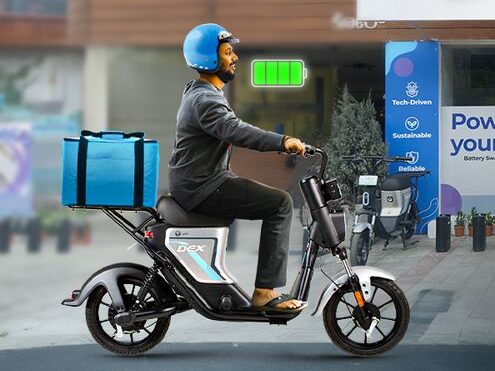
For a delivery executive riding upwards of 70 kilometres daily, even a few minutes of vehicle downtime directly impacts earnings. Waiting several hours to charge a vehicle is simply not practical in such high-utilisation delivery environments.
This is why Yulu and Magna launched a joint venture called Yuma Energy to build one of India’s largest battery swapping ecosystems. Deeply integrated into Yulu’s mobility platform and app, Yuma enables Yulu riders to swap depleted batteries for fully charged ones in minutes and get back on the road with minimal interruption, maximising uptime and daily earnings.
Technology and Deep Analytics
Behind Yulu’s mobility ecosystem is a deeply data-driven operating intelligence powered by AI, machine learning and IoT-enabled EVs connected to a central operating platform. These systems continuously analyse demand patterns, rider movement and vehicle utilisation across cities to dynamically deploy EVs across high-demand areas, improve uptime during peak delivery and commuter hours, identify ideal locations for Yulu Centres and Yulu Zones, and optimise inventory planning in real time.
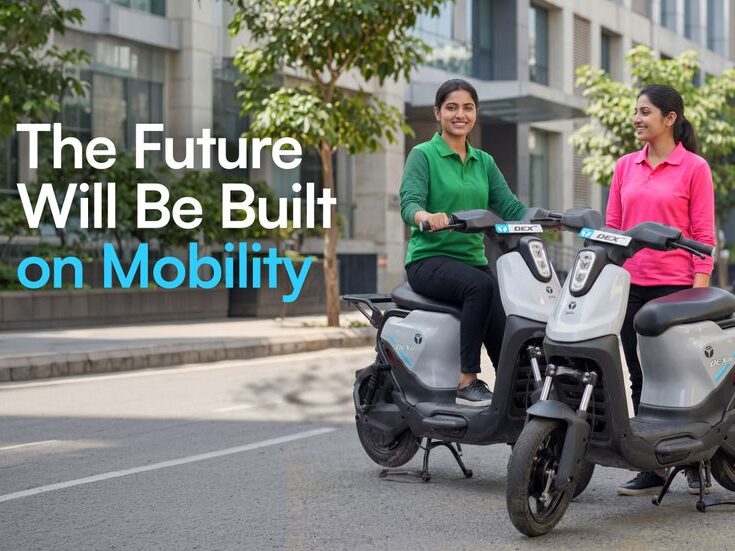
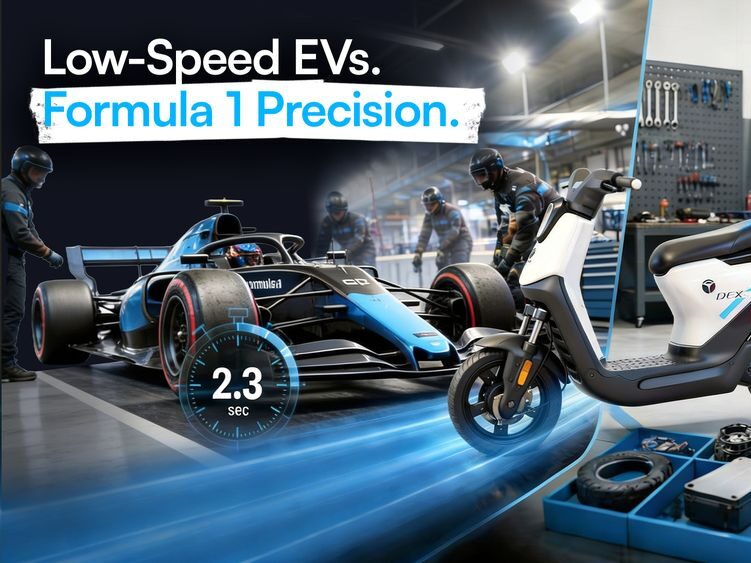
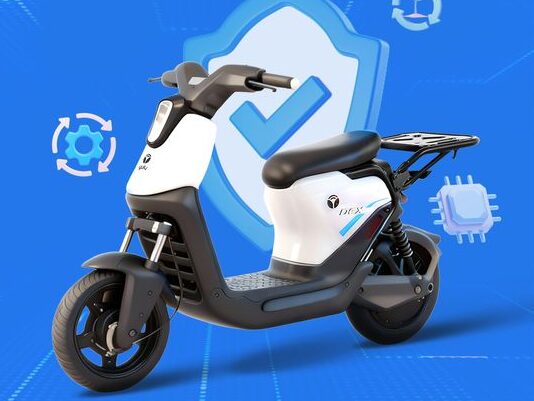
The real challenge, however, lies in ensuring shared EVs remain reliable every single day. For instance, delivery executives typically keep a Yulu DeX with them for seven days or more, sometimes covering 100+ kilometres in a day. This requires Yulu’s systems to continuously monitor vehicle health, battery performance and usage patterns. If a vehicle shows signs of wear or malfunction, predictive diagnostics can flag the issue before it disrupts rider operations, enabling proactive servicing and maintenance before breakdowns occur.
These capabilities are especially critical in quick commerce and food delivery environments where rider uptime directly impacts earnings and customer experience. Over time, this operational intelligence has helped Yulu build a mobility network that becomes smarter, more responsive and more efficient with scale.
Suite of Apps
A key part of Yulu’s mobility ecosystem is the technology layer that connects riders, vehicles and operations seamlessly in real time. The Yulu app is designed to make shared EV mobility simple and intuitive, allowing users to locate vehicles, unlock them, make payments and manage rides directly from their phones. Integrated safety features and real-time support help riders move with greater confidence and convenience.
On the operations side, Yuzen acts as an internal intelligence and workflow platform for field teams, enabling dynamic vehicle deployment, servicing, maintenance and fleet monitoring across cities. Together, these systems help Yulu manage high-frequency urban mobility operations efficiently at scale while delivering a smooth experience for delivery riders and commuters.
Over time, these operational efficiencies have become a significant competitive advantage for Yulu. Many operators can procure vehicles, but far fewer can build integrated technology systems, service infrastructure, energy networks and industry partnerships around them. Without these layers working together seamlessly, EV operations become difficult to scale reliably and efficiently.
Honed for the Long Term
Urban mobility is ultimately a systems problem. It requires long-term investments, operational discipline and constant learning and optimisation across multiple layers simultaneously. That is why building an integrated electric mobility ecosystem is significantly harder than fragmented deployment of EVs.
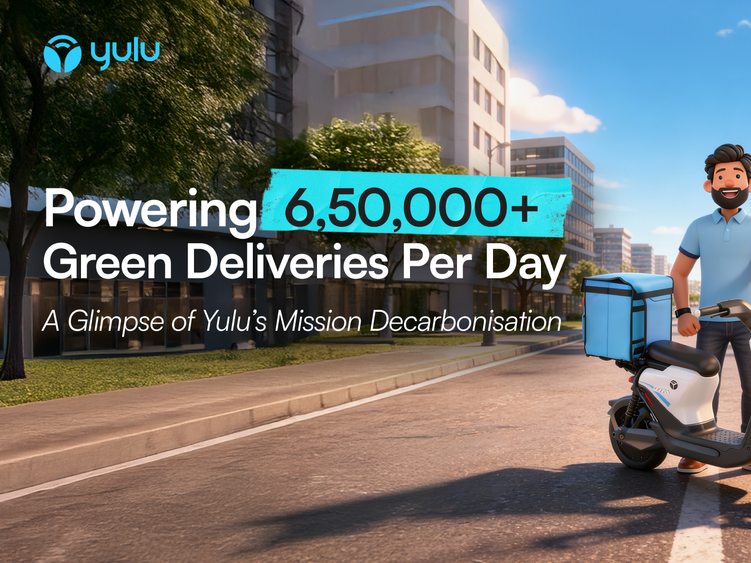
Today, Yulu’s ecosystem powers more than 20 million green deliveries every month across cities, while also enabling emerging urban service categories like instant domestic help and at-home services. For many, including women who have never ridden a vehicle or held a driving licence before, Yulu is creating new opportunities to earn independently and support their families.
This is what a new-age mobility ecosystem looks like in practice. It is not one product, but multiple systems working seamlessly together to build sustainable livelihoods.
This article was originally published by Yulu.