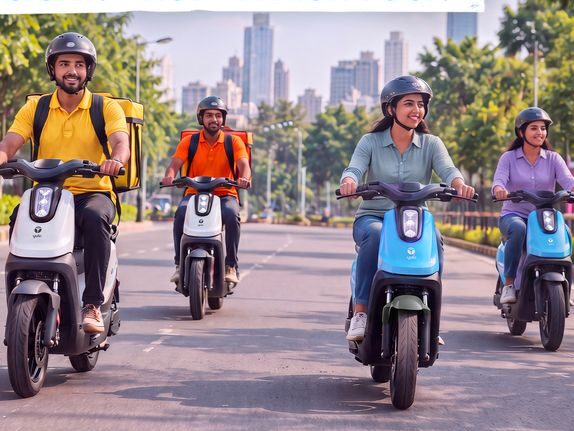
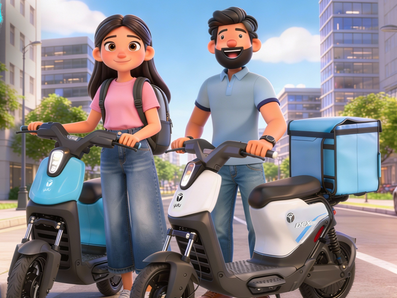
The recent rise in global energy prices and geopolitical uncertainties has accelerated conversations around energy security and electric mobility across the world. In India, this transition is already visible on city roads. Every month, thousands of electric vehicles enter service across delivery, shared mobility and personal commuting use cases.
For cities battling congestion, pollution and rising fuel dependency, this transition is becoming both necessary and inevitable.
But amidst this rapid growth, an important question is emerging: is India’s EV ecosystem scaling responsibly?
Because while conversations around EV adoption often focus on affordability, scale and market growth, the long-term success of electric mobility will ultimately depend on something far more fundamental: trust.
- Riders need to know the vehicle is safe.
- Citizens need confidence that roads will remain orderly.
- Regulators need assurance that exemptions are being used responsibly.
And today, that trust risks being undermined by a few operators deploying vehicles that do not fully comply with India’s low-speed electric vehicle (LSEV) regulations while continuing to benefit from exemptions meant only for genuinely compliant vehicles. When visible non-compliance goes unchecked, it risks creating a broken windows effect where regulatory shortcuts begin to normalise across the ecosystem. In simple words, it incentivises other players to flout regulations, and over time, brings a bad name to the whole industry.
Why Non-Compliant LSEVs Are Becoming a Serious Concern
As shared EV adoption accelerates across personal mobility and delivery logistics, there has been a noticeable rise in fleet operators deploying vehicles that exceed prescribed LSEV limits around speed, motor power and vehicle weight while still operating under exemptions intended only for compliant low-speed EVs.
The motivation behind this is straightforward. Higher speeds, more powerful motors and larger payload capacities can increase delivery throughput in the short term. By continuing to classify such vehicles as low-speed EVs, some operators are able to bypass registration, licensing and other compliance requirements, reducing costs and speeding up fleet deployment. Faster, non-compliant vehicles can also become more attractive to riders focused on completing more deliveries in less time.
But these shortcuts create larger risks for the ecosystem. Indian roads are dense, unpredictable and heavily shared by pedestrians, cyclists, buses, delivery riders and personal vehicles simultaneously. In such environments, vehicle design and regulatory compliance matter enormously. When vehicles exceed prescribed speed or weight limits without corresponding oversight, risks around braking distance, rider control, turning stability and pedestrian safety increase significantly, especially during high-frequency operations.
A heavier vehicle travelling faster than permitted while operating without the safeguards applicable to registered motor vehicles creates risks not only for riders, but for everyone sharing the road. The issue becomes even more serious when such vehicles continue operating without registration, number plates or licensing requirements despite functioning much closer to conventional motor vehicles. In many cases, riders are also able to operate these vehicles without driving licences or mandatory safety requirements such as helmets, increasing risks not only for themselves but for other road users as well.
A delivery rider navigating potholes, crowded intersections, sudden lane changes and pedestrian-heavy streets in such vehicles for 10 to 12 hours daily creates accountability gaps, weakens enforcement and undermines the very framework designed to keep urban mobility safe and accessible.
Why LSEV Exemptions Exist in the First Place
India’s regulatory framework for low-speed EVs was created to support wider adoption of safe, accessible and affordable urban mobility. Genuinely compliant low-speed EVs were given exemptions from registration, driving licences and certain other requirements under the Central Motor Vehicles Rules (CMVR). However, these exemptions were always tied to tightly defined thresholds around speed, motor power and vehicle weight.
The reasoning was simple. Lightweight, lower-speed vehicles are less likely to cause severe injuries or major accidents while making mobility accessible for wider sections of society, including students, women and lower-income users. In many ways, these exemptions were designed to encourage a category of urban mobility closer in spirit to bicycles than conventional motor vehicles.
Responsible operators like Yulu built their systems around these principles.
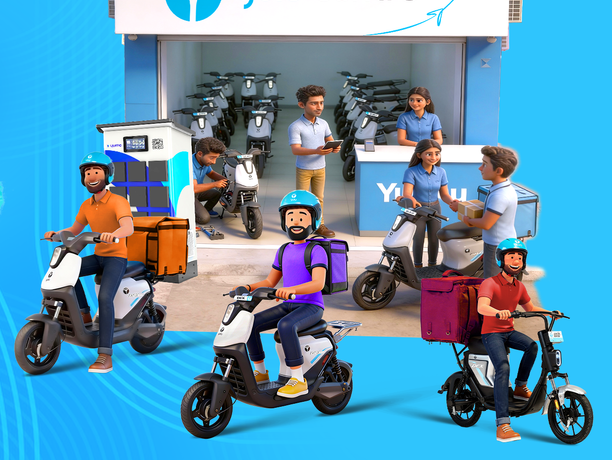
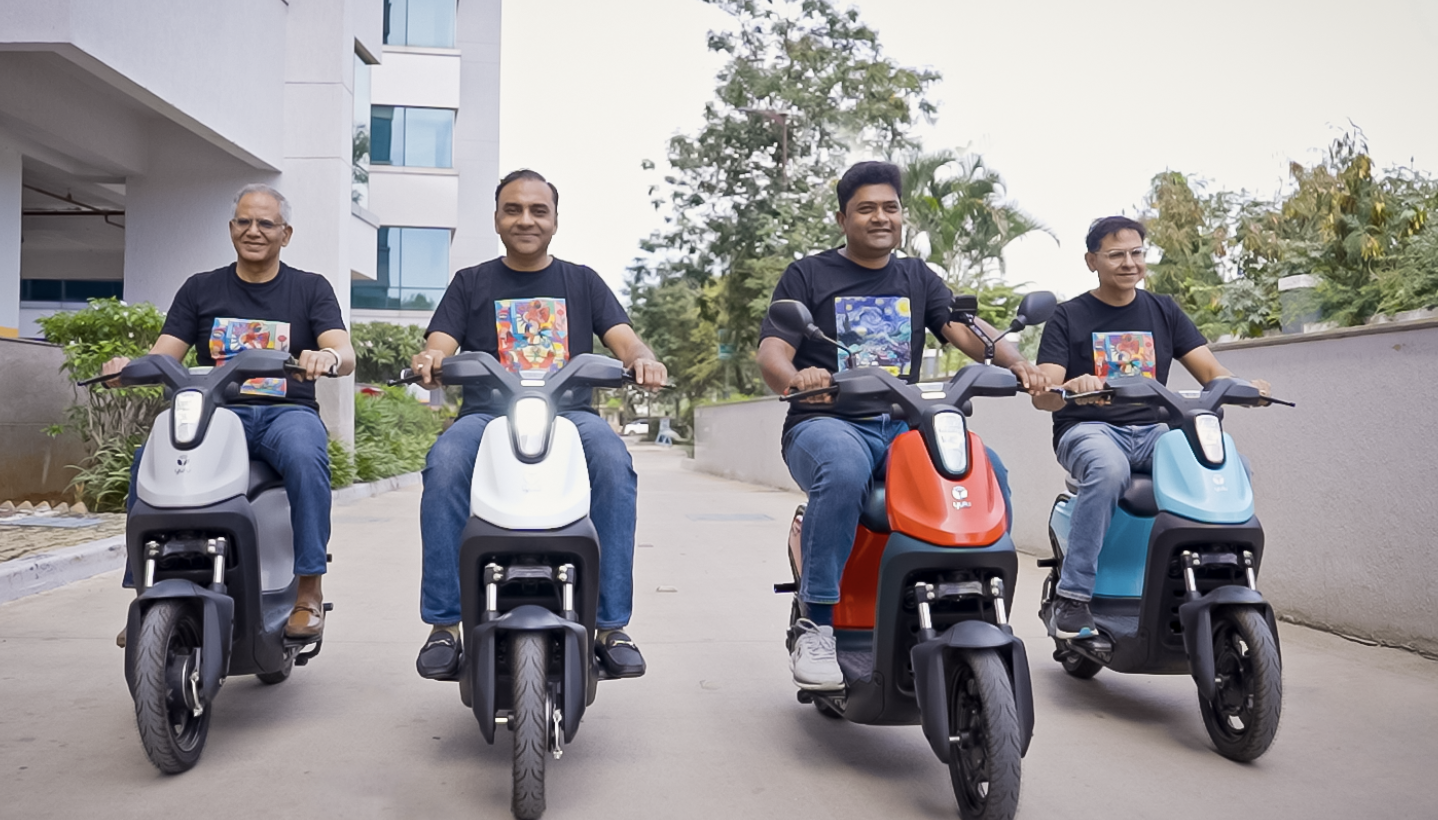
At Yulu, low-speed EVs have always been viewed as part of a larger sustainable urban mobility ecosystem. Yulu’s vehicles are purpose-built for defined urban use cases, speed-calibrated for safety and continuously monitored through connected IoT systems designed around operational discipline, accountability and responsible urban mobility.
When Regulatory Shortcuts Erode Trust
The issue with non-compliant LSEVs is not merely regulatory. It defeats the very purpose for which these exemptions were introduced in the first place.
The CMVR framework was designed to encourage safer, lightweight and accessible mobility systems. But when heavier or faster vehicles continue operating under the same exemptions, the balance between accessibility and safety begins to break down. Cities may become more hesitant to support shared EV deployments. Regulators may tighten norms even for compliant operators. Citizens may begin associating low-speed EVs with unsafe or disorderly road behaviour.
In addition, responsible mobility companies that have invested heavily in vehicle engineering, safety systems, compliance frameworks and rider operations end up competing against models built on regulatory shortcuts rather than sustainable operating practices.
Over time, this not only weakens public confidence in shared electric mobility, but can also reduce policy confidence in the sector itself. When regulatory exemptions are repeatedly misused and industry players fail to self-regulate responsibly, it often triggers a defensive response from authorities in the form of tighter and more restrictive regulations. While intended to restore order and safety, such measures can ultimately create friction for the entire ecosystem, including responsible operators who have invested heavily in compliance, safety and long-term urban mobility infrastructure. In the long run, this slows innovation, increases operational complexity and benefits no one.
The Future of Urban EV Mobility Will Depend on Trust
India’s EV transition is still in its early stages. The country urgently needs cleaner, more efficient and more accessible urban mobility systems. But growth must be accompanied by accountability.
What happens now will shape how cities, regulators and citizens perceive electric mobility for years to come. If unsafe practices continue unchecked, the long-term risks include erosion of public confidence, operational instability for responsible players and a slower urban EV transition overall.
No emerging industry can scale sustainably when trust breaks down.
Authorities must ensure CMVR regulations are enforced consistently and that exemptions are not misused in ways that compromise safety or create unfair operational advantages. At the same time, mobility operators must treat compliance, governance and rider safety as long-term business fundamentals rather than operational hurdles.
India’s EV opportunity is too important to be undermined by short-term shortcuts.
Because sustainable urban mobility will not be built by the cheapest vehicles or the fastest scaling models.
It will be built by trust.
This article was originally published by Yulu.