Mobileye has announced that its Cloud-Enhanced Advanced Driver Assist™ technology will be officially integrated into select future Stellantis vehicles upon their launch in 2027.
With this announcement, Stellantis joins a growing list of automakers utilising Mobileye REM Road Experience Management technology – an intelligence stream that covers over 95% of public roads throughout the United States and Europe.
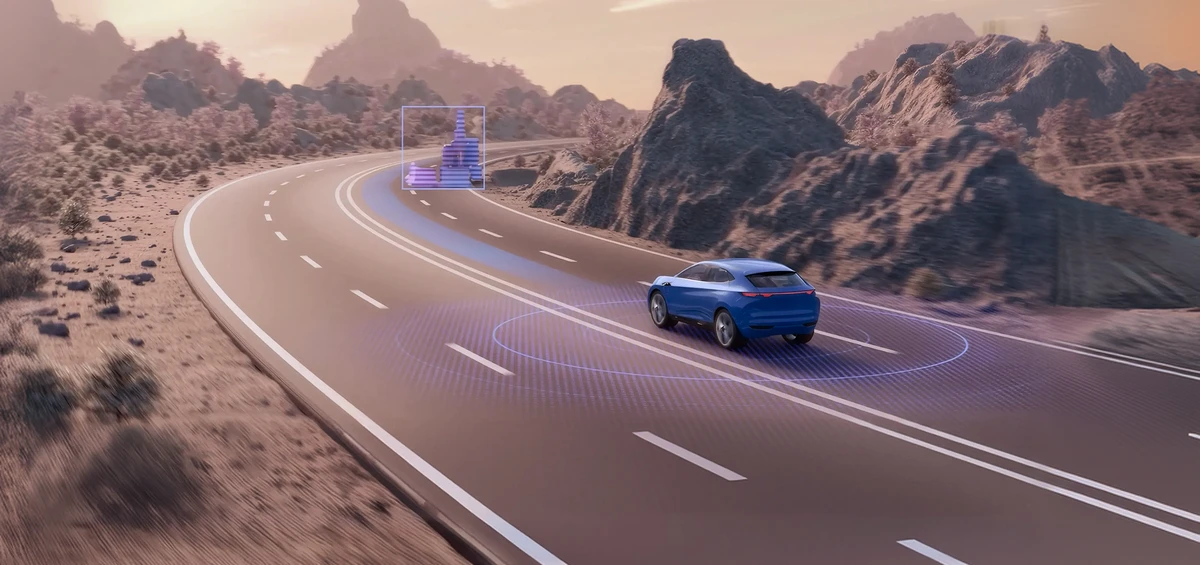
To date, five of the world’s largest automakers now contribute data to REM, which last year generated data from over 8 million vehicles covering 34 billion miles.
With REM enabled through Cloud-Enhanced ADAS; Mobileye technology has been designed to support selected safety and convenience features in select future Stellantis models – with uses ranging from intelligent lane keeping on unmarked roads to hands-free, eyes-on driving in designated areas and conditions.
The first planned applications are expected in select US models in 2027, with additional integration set to follow depending on vehicle platform and configuration.
Nimrod Nehushtan, Mobileye Executive Vice President of Business Development and Strategy, said:We’re proud to expand our work with Stellantis, bringing a new level of intelligence to the vehicle itself through REM and the EyeQ6L.
Cloud-enhanced ADAS plays a core role in our lineup of advanced technologies, from Surround ADAS through fully autonomous vehicles, that enables safety and convenience features in a vertically integrated package at a cost-efficient scale.
Mobileye’s REM technology utilises front facing cameras in EyeQTM-equipped vehicles to gather selectively collected crowdsourced data about road features and driving environment – from curbs and crosswalk locations to typical driving paths. This data is then transmitted to the cloud before being automatically processed into an intelligence layer to support ADAS, automated driving and autonomous vehicles technologies, providing constant updates regarding signals, lanes, comfort speeds and other features, which are then sent back to vehicles on the road.