Company Overview
Stellantis is one of the world’s largest automotive manufacturers, formed in January 2021 through the merger of Fiat Chrysler Automobiles (FCA) and the PSA Group. Headquartered in Amsterdam, the Netherlands, and listed on the New York Stock Exchange (NYSE: STLA), Euronext Milan and Euronext Paris, Stellantis operates a portfolio of 14 vehicle brands alongside two mobility services arms. The group sells vehicles in more than 130 countries and employs around 260,000 people globally.
Stellantis has positioned itself as a mobility technology company as much as a traditional automaker, pursuing its long-term strategic plan — now updated as FaSTLAne 2030 — with the stated ambition of achieving carbon net zero by 2038. Central to this transition is an aggressive software-defined vehicle strategy, significant electrification investment and the development of proprietary AI and automated driving systems. The company’s brands span the full market spectrum, from city cars to premium saloons and heavy-duty commercial vehicles.
Vehicle Brands and Market Reach
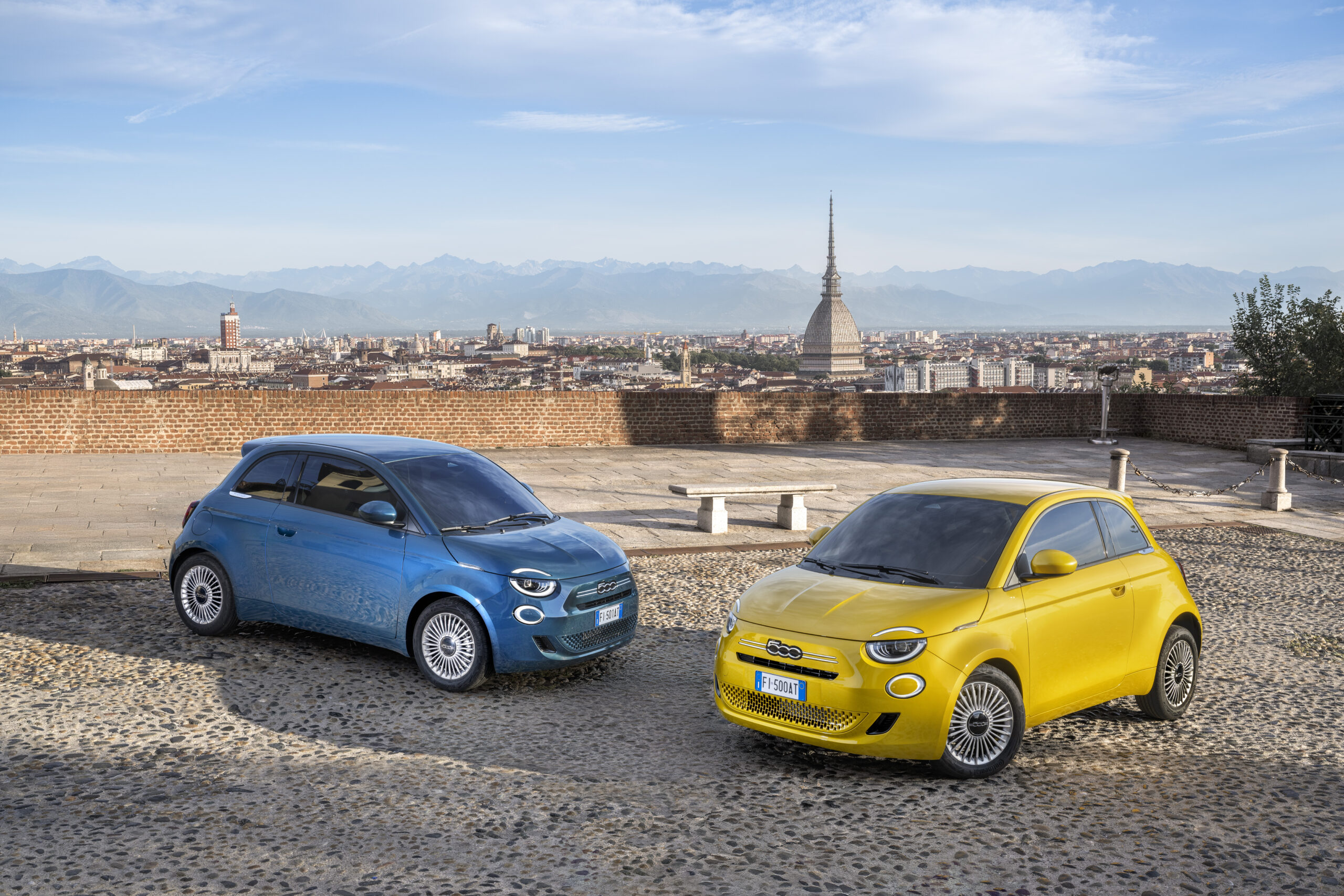
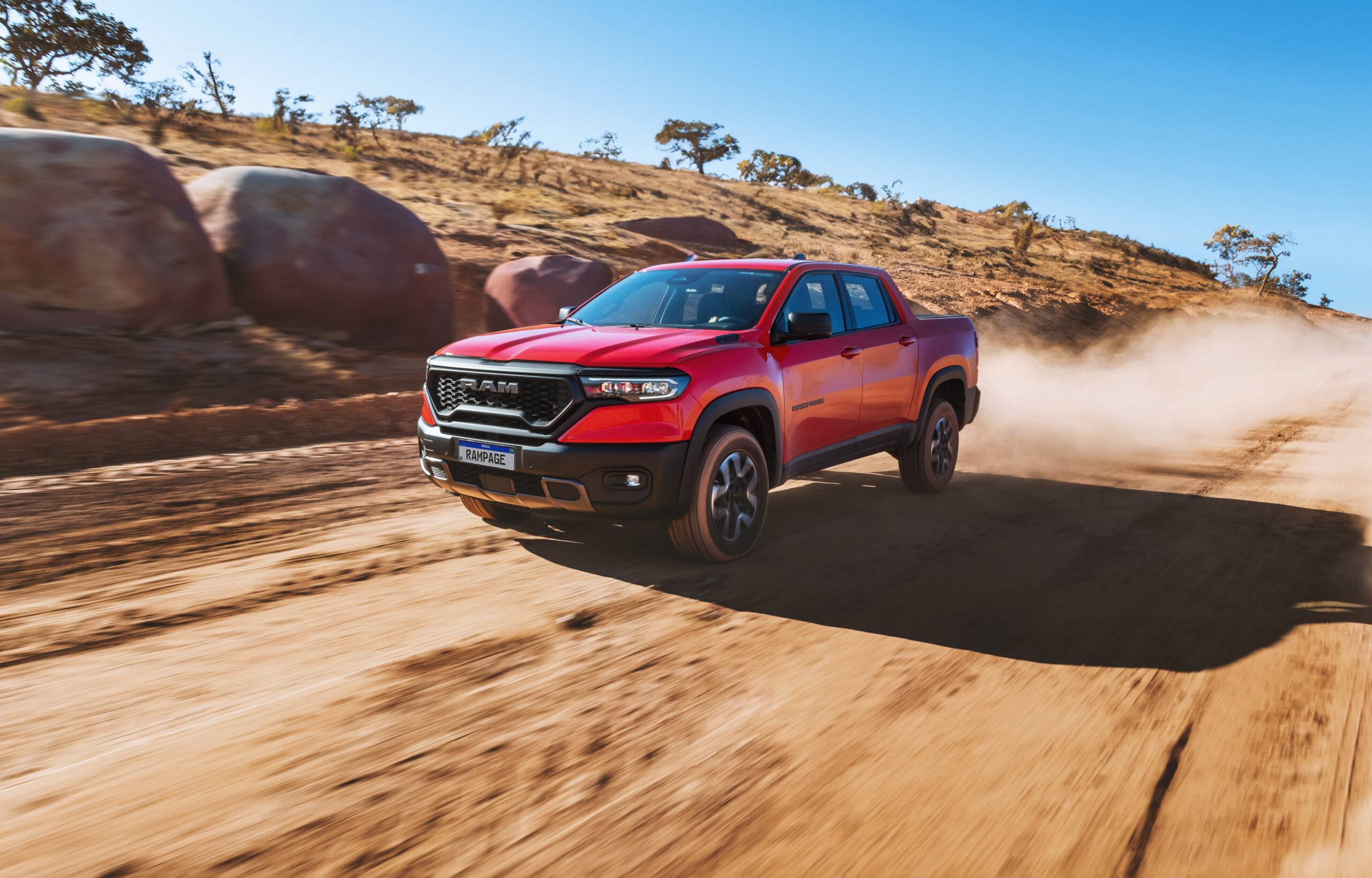
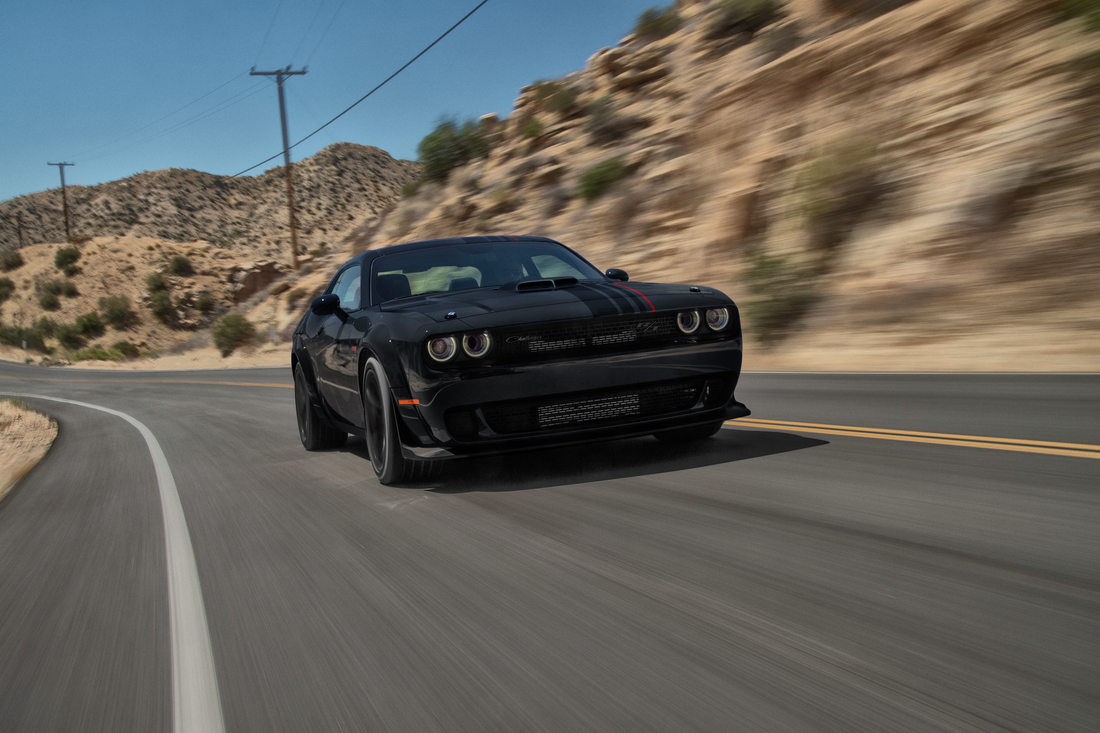
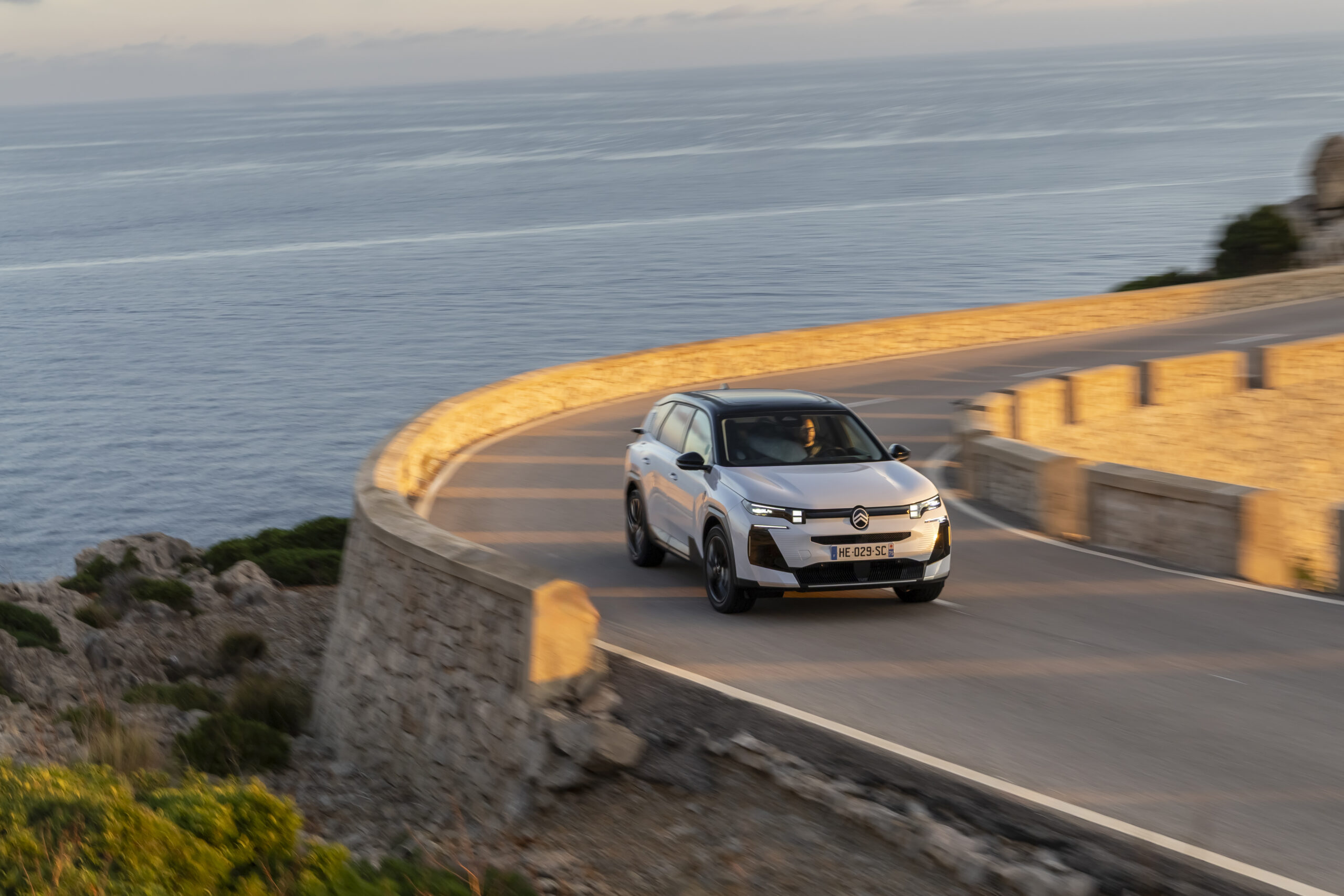
The Stellantis brand portfolio includes Abarth, Alfa Romeo, Chrysler, Citroën, Dodge, DS Automobiles, Fiat, Jeep, Lancia, Maserati, Opel, Peugeot, Ram Trucks and Vauxhall. Alongside these, the group operates Free2move, a mobility solutions and fleet services brand, and Leasys, its vehicle leasing and financial services arm. This breadth allows Stellantis to address markets across Europe, North America, South America, the Middle East, Africa and Asia-Pacific, with European and North American operations contributing the majority of group revenues.
Software-Defined Vehicles and ADAS
Stellantis has made software-defined vehicle architecture a cornerstone of its technology strategy. Three proprietary platforms sit at the heart of this transformation: STLA Brain, STLA SmartCockpit and STLA AutoDrive. STLA Brain serves as the central electronic and software architecture across future Stellantis vehicles, enabling full over-the-air (OTA) updates and consolidating the number of electronic control units per vehicle by approximately half. Its service-oriented architecture separates software from hardware, allowing new features and services to be developed and deployed without waiting for a new model cycle.
STLA AutoDrive 1.0, unveiled in early 2025, is the company’s first in-house automated driving system and delivers SAE Level 3 hands-free, eyes-off functionality at speeds of up to 60 km/h, targeting stop-and-go motorway conditions. The system is designed to be upgraded over time, with higher speed thresholds and expanded use cases planned. STLA SmartCockpit complements this by providing AI-driven personalisation across navigation, entertainment and climate control, using multimodal inputs including voice, touch, gesture and gaze recognition.
Artificial Intelligence
AI is embedded across Stellantis’ product and operational strategy. The company was the first original equipment manufacturer to offer ChatGPT as a standard feature in new vehicles, rolling this out across 20 European markets. In 2025, Stellantis partnered with Mistral AI to explore the development of a next-generation in-car voice assistant. Beyond the cabin, AI is applied to manufacturing processes, supply chain management and product development, with Stellantis targeting a significant reduction in the time required to bring new software features to market.
Electric Vehicle Platforms and Charging Technology
Stellantis has developed a modular family of EV platforms — STLA Small, STLA Medium, STLA Large and STLA Frame — each engineered for multi-energy flexibility, supporting front-wheel drive, rear-wheel drive and all-wheel drive configurations. The STLA Large platform, which underpins full-size EVs including the Dodge Charger Daytona, supports both 400-volt and 800-volt charging architectures, enabling rapid charging and ranges of up to 500 miles. The platforms are designed to accommodate future battery chemistries, including nickel- and cobalt-free formulations and solid-state cells. Stellantis is collaborating with Factorial Energy to integrate solid-state batteries into a demonstration fleet by 2026, and has partnered with the French Alternative Energies and Atomic Energy Commission (CEA) to develop next-generation battery cells with improved longevity and a reduced carbon footprint.
A new unified platform, STLA One, is planned for launch in 2027 and will be the first to integrate STLA Brain from the outset, alongside steer-by-wire technology and lithium iron phosphate (LFP) cell chemistry to support affordability at scale.
Key Products
- STLA Brain — Centralised vehicle electronic architecture enabling full OTA updates, cloud connectivity and AI readiness across future Stellantis models.
- STLA AutoDrive 1.0 — The group’s first proprietary automated driving system, delivering SAE Level 3 hands-free, eyes-off capability at up to 60 km/h.
- STLA SmartCockpit — AI-powered in-cabin experience platform using multimodal inputs to personalise navigation, entertainment and vehicle settings.
- STLA Large Platform — Full-size EV underpinning supporting 400V and 800V rapid charging, ranges up to 500 miles and multi-energy powertrain options.
- STLA Medium Platform — Mid-size EV architecture used across Peugeot, Citroën and Opel/Vauxhall models, offering up to 700 km of WLTP range.
- STLA One — Next-generation unified platform launching in 2027, designed to integrate STLA Brain, steer-by-wire and LFP battery cells from the ground up.
- Free2move — Mobility services brand providing fleet management, vehicle subscriptions and connected mobility solutions for business and consumer customers.