Fuel price volatility creates a rare moment of genuine openness to change. The question isn’t whether to act, it’s whether the right infrastructure is in place when it matters.

In this context, a finding in behaviour change research (called the “habit discontinuity hypothesis”, if you must know) is worth taking seriously in transport planning: people are most open to changing habitual patterns not when persuaded to, but when circumstances disrupt the routine that made those habits automatic
A house move. A new job. A significant change in circumstances. These are the moments when behaviour that has solidified over years becomes briefly negotiable, when the commute gets reconsidered, when options that were always available but never examined suddenly feel worth a second look.
Sustained increases in the cost of fuel create exactly this kind of disruption. They make the default choice – getting in the car – feel less automatic. Not because residents have become more environmentally conscious overnight, or because a council campaign has shifted their attitudes. But because the cost of driving is now something they notice each time they fill up, and that noticing tends to prompt a question they may not have asked before: is there a better way?
That moment of questioning can be valuable. It is also finite. If a practical answer isn’t easy to find, the window closes and habitual behaviour tends to reassert itself.
Why Infrastructure Alone May Not Be Enough
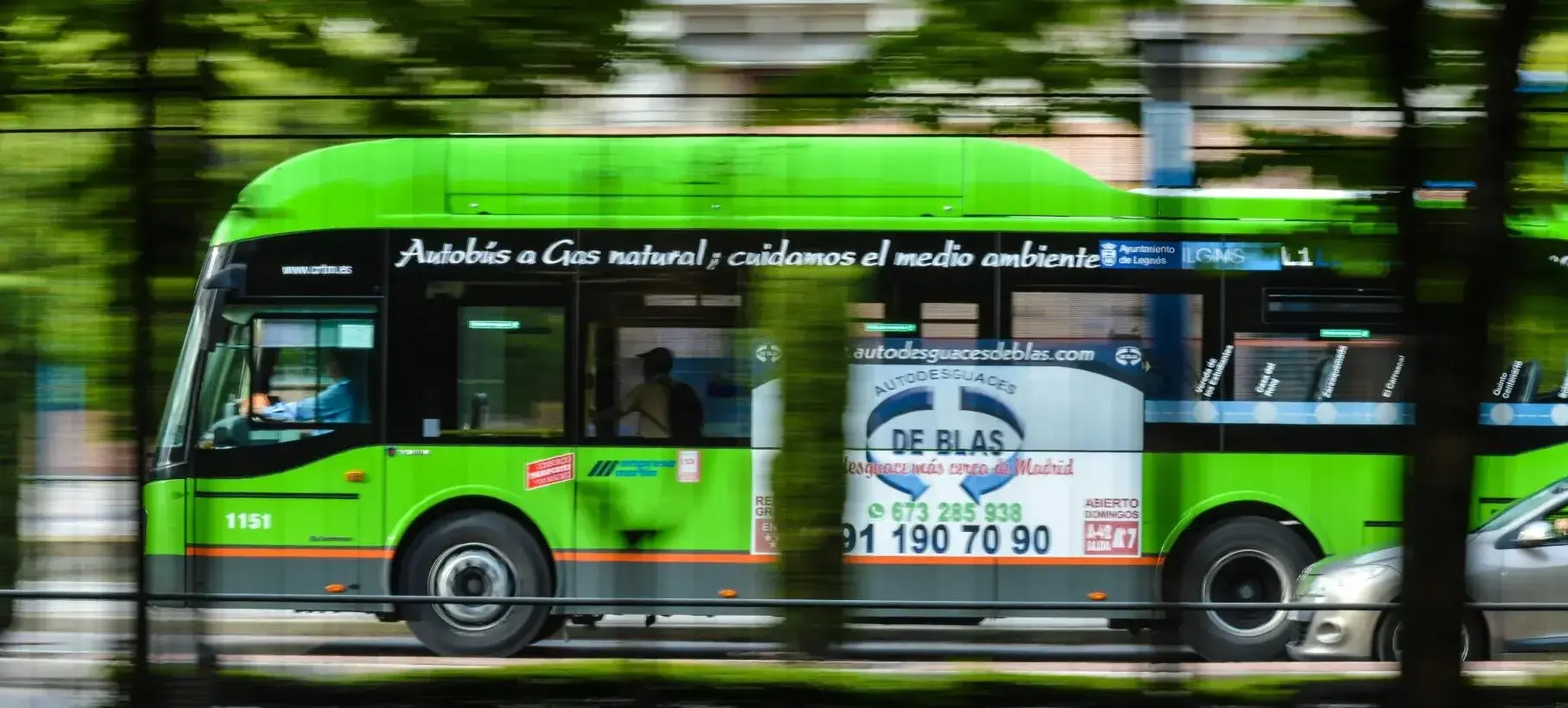
Local councils invest considerably in the physical fabric of sustainable transport and active travel. Cycling infrastructure. Improved bus corridors. Better pedestrian connections. The case for that investment for reduced congestion, better air quality and improved public health is well made and broadly accepted.
What is less often examined is the assumption that can sit beneath it: that if the infrastructure exists, residents will find it and use it. Awareness and usability don’t follow automatically from provision, and the gap between what has been built and what residents feel confident using is a real one, particularly for journeys that involve combining more than one mode.
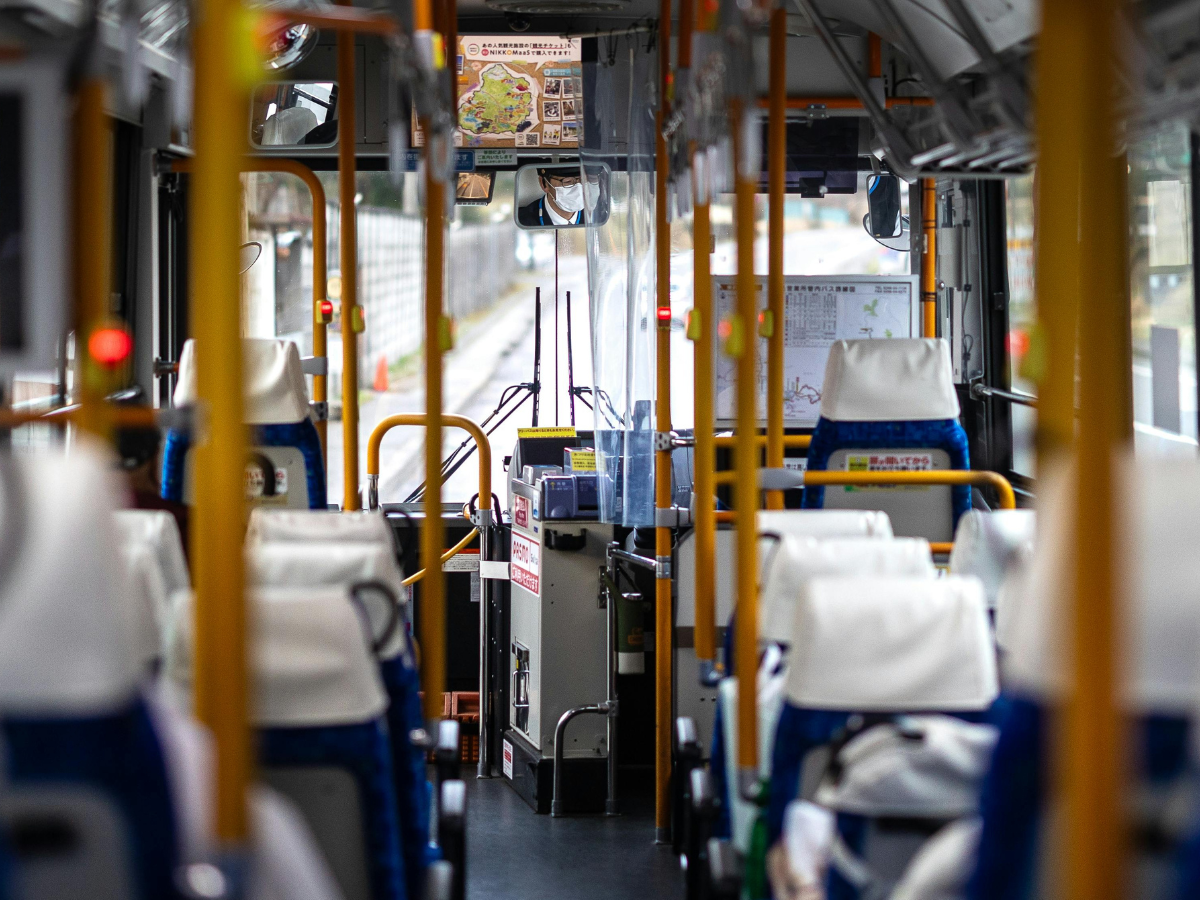
Walking to a stop, taking a bus, picking up a hire bike at the other end – these journeys are often more practical and more affordable than residents assume. But they require a level of real-time, route-specific knowledge that isn’t always easy to acquire. A resident who genuinely wants to know whether they can get to work by public transport and bike, on a specific morning, from their specific address, for less than they’re currently spending on fuel, needs a door-to-door answer that reflects their actual circumstances. A static map or a downloadable timetable are not that answer.
Leicester City Council’s Choose How You Move programme offers a useful illustration of what closing this gap can look like in practice. The council embedded SkedGo’s tailored journey planner across its transport pages and the Leicester Buses website, giving residents a single place to compare door-to-door options across walking, cycling, bus, and other modes, including the cost and carbon footprint of each.
The tool was designed not to replace the infrastructure investment the council had already made, but to make it legible: to surface connections that residents didn’t know were practical, and to present alternatives to driving in a form specific enough to act on. The council’s transport team noted the platform’s ability to combine multiple modes within a single journey as a particular strength, precisely because those combined trips are the ones residents are least likely to plan independently.
The Cost of Missing the Moment
When a resident in that window of openness can’t find a usable alternative, something more lasting than a single missed journey can occur. They draw a reasonable conclusion, “this doesn’t work for me”, based on the information available to them. That conclusion is then harder to revisit later, even if the information improves or the infrastructure expands.
This is the less visible cost of an information gap. It doesn’t only result in a journey made by car today. It can reinforce the default for the future.
Investing in the physical infrastructure of sustainable transport without addressing its discoverability risks leaving a meaningful share of that investment unrealised.
What Closing the Gap Looks Like in Practice
The practical implication for councils is relatively direct. When a resident is actively reconsidering their travel choices, prompted by cost or by circumstance (or both), they should be able to easily find a clear and complete picture of how they can make a given journey without a car. Not a list of transport providers. Not a link to a transit authority homepage. A door-to-door journey comparison, across walking, cycling and public transport, specific enough to be genuinely useful for that person’s requirements.
This is less a communications challenge than an information infrastructure one, and it is worth being precise about that distinction. A campaign invites people to think differently. Information infrastructure gives them something concrete to act on, at the moment they are ready to act. Both have a role, but they are not interchangeable.
The Longer-Term Case
There is a version of this argument that is purely about the immediate cost-of-living moment: Fuel is expensive > residents are under financial pressure > councils can help by making alternatives more visible. That case stands on its own terms.
The broader opportunity, though, is structural. The habit discontinuity research suggests that new behaviours adopted during periods of disruption are more likely to persist than those adopted under stable conditions. A resident who discovers, when they are actively looking for alternatives, that a combination of cycling and public transport is practical and affordable for their specific commute is more likely to continue that behaviour once the disruption passes.
Councils that respond well to the current moment therefore have an opportunity that goes beyond short-term support. By making alternatives genuinely findable and usable when residents are most receptive, they are working with the grain of how behaviour actually changes — and in doing so, supporting congestion, emissions, and public health goals in a way that is more likely to hold.
The window is open. The residents are asking the question. The answer needs to be somewhere they can find it.
This article was originally published by SkedGo.