Discussions regarding intelligent transportation often focus on what connected and automated mobility might one day achieve. However, at ITS America Conference & Expo 2026 in Detroit, the conversation increasingly centred on technologies that are already being deployed.
Across the exhibition floor, demonstrations and conference sessions, the emphasis was less on future concepts and more on the practical challenges of operating connected transport systems at scale. From roadside infrastructure and traffic signal management to cybersecurity and data integration, many exhibitors focused on how agencies can move from trial projects to long-term implementation.
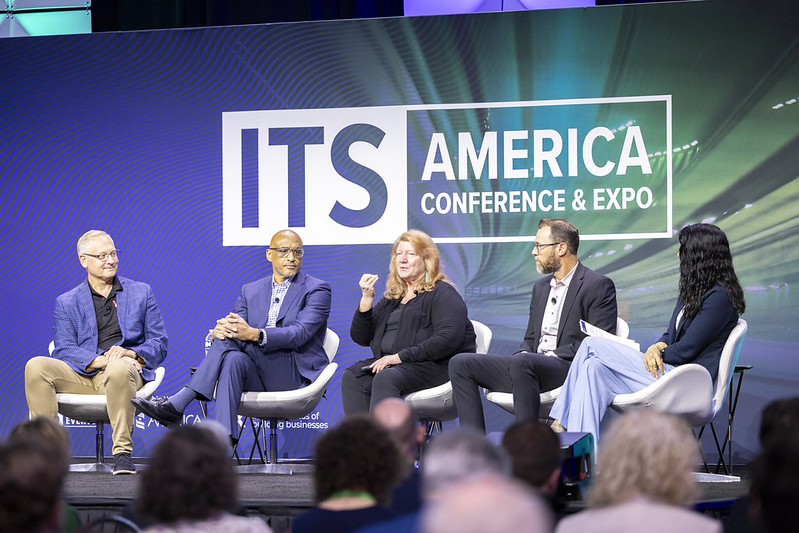
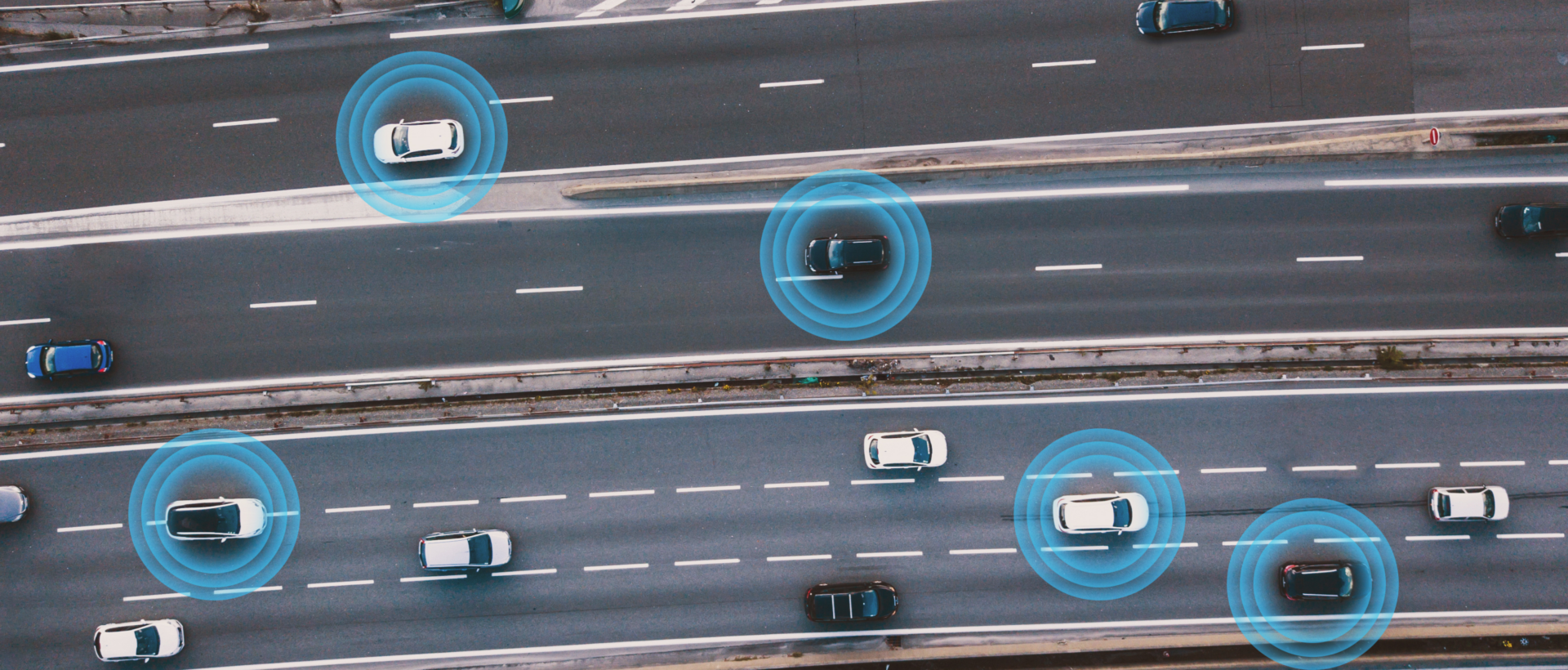
Detroit provided a fitting setting for those discussions. Beyond hosting the conference at Huntington Place, the city served as a demonstration environment for connected vehicle technologies. Attendees were able to experience vehicle-to-everything (V2X) infrastructure operating along sections of the I-94 corridor and Woodward Avenue, where connected intersections and other smart mobility systems are already in place.
Rather than autonomous vehicles dominating the agenda, much of the discussion focused on the infrastructure required to support increasingly connected roads. Traffic management systems, roadside sensors, digital communications networks and cloud-based data platforms featured significantly throughout the event.
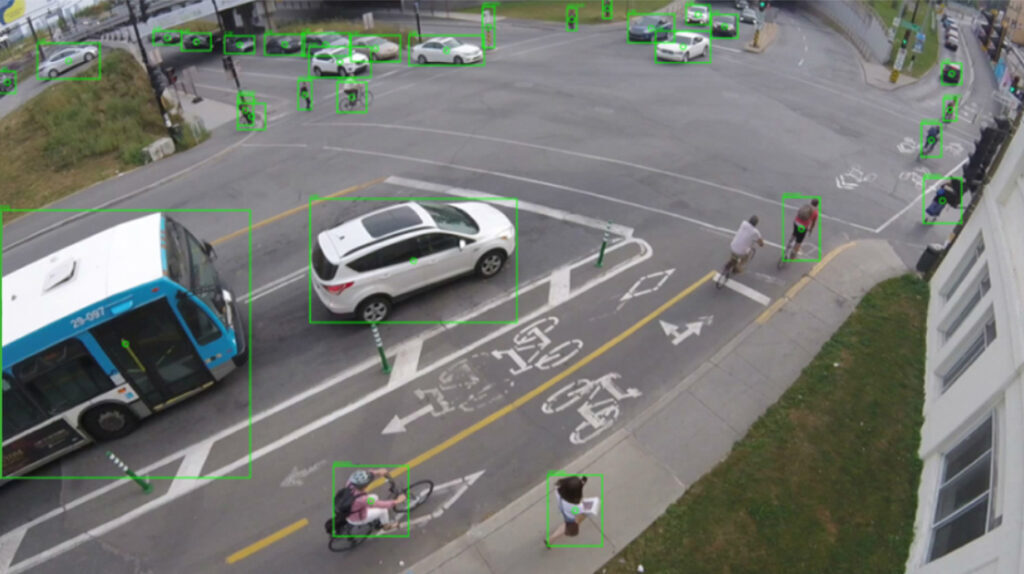
Artificial intelligence was also highlighted in terms of practical applications, rather than simply as a standalone technology. Companies demonstrated AI-assisted traffic analysis, incident detection and signal optimisation tools designed to help transport authorities respond more quickly to changing road conditions.
Cybersecurity was also a recurring theme. As transport infrastructure becomes more connected, agencies face growing pressure to protect networks and data systems from disruption. A dedicated cybersecurity and data zone brought together companies working on network security, threat detection and infrastructure resilience, reflecting concerns shared by both public authorities and technology providers.
Furthermore, the event emphasised the increasing role of data in transportation planning. Several exhibitors demonstrated platforms designed to combine information from vehicles, roadside infrastructure, traffic signals and other sources into a single operational picture. This work aims to give transport agencies better visibility of network performance and support faster decision-making.
Laura Chace, President and CEO of ITS America said:The technologies on display here, including AI-powered traffic management and V2X-connected corridors, represent the very innovation our industry has championed for decades,” said. “What we witnessed in Detroit shows that bringing people from across public, private, and research sectors together builds lasting partnerships and leads to safer, smarter, and more connected transportation.
Outside the convention centre, drone logistics and connected mobility demonstrations provided examples of how emerging technologies could be integrated into broader transport networks, reflecting a wider industry focus on connecting different modes of transport through shared digital infrastructure.
This year’s event also saw the continued involvement of public-sector organisations alongside technology developers. State departments of transportation, municipal authorities and federal agencies participated in discussions covering implementation strategies, funding priorities and lessons learned from existing deployments.
The presence of these organisations underscored the focus in which intelligent transportation systems are increasingly viewed as operational infrastructure rather than experimental technology.
Governor of Michigan, Gretchen Whitmer said:Safety should be our number one priority. How can we use connected or autonomous technology to make road work and work zones safer? We'll need to work together and answer these questions.
Overall, ITS America 2026 suggested that the industry’s attention is shifting towards deployment, integration and maintenance.