Miovision has announced the launch of a brand-new artificial intelligence-powered platform that aims to modernise how transportation agencies conduct traffic studies, analyse roadway performance, and manage signalised intersections.
The Traffic Studies for Miovision One platform aims to combine temporary traffic study workflows and permanent intersection management into one single system, allowing engineers to collect, analyse and act on transportation data without the transfer of information between multiple applications.
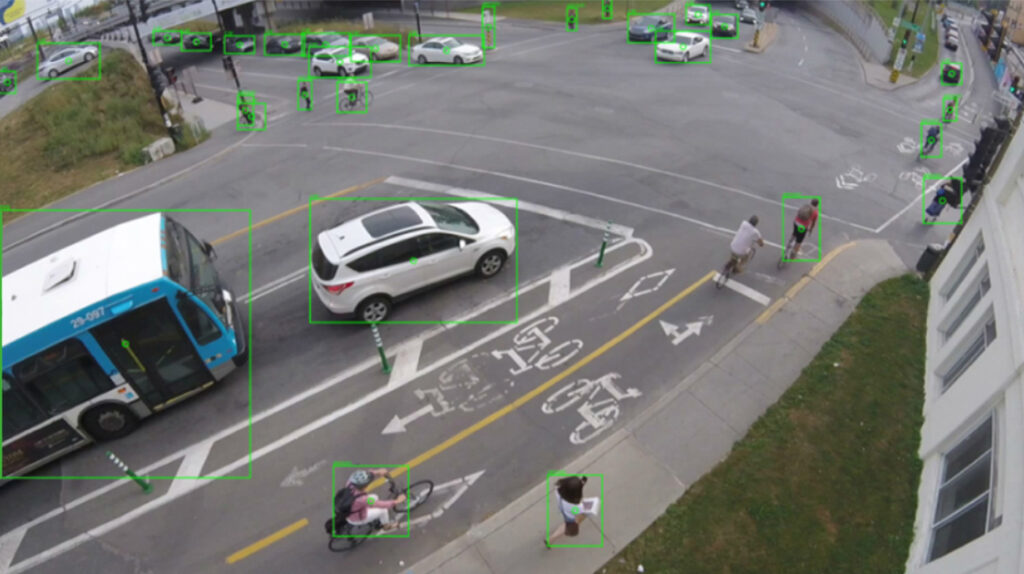
By consolidating these functions into one platform; Miovision aims to reduce the time spent on administrative processes and allow transportation professionals to focus on potential improvements.
One of the platform’s key functions, Mateo, serves as Miovision’s own generative AI assistant, and has been specifically designed for traffic engineering applications. It is allegedly capable of answering questions about individual studies, summarising findings, identifying anomalies, generating reports, and providing engineering insights based on millions of traffic observations.
The use of domain-specific AI is intended to distinguish the growing class of transportation technologies from more general-purpose artificial intelligence tools, with AI assistants trained on transportation workflows instead of requiring engineers to manually interpret large datasets. This allows for the rapid identification of patterns and recommendations whilst, in theory, reducing repetitive analytical tasks.
Kurtis McBride, Miovision Chief Executive Officer, said:Until now, data from temporary traffic studies has remained separate from Intelligent Transportation System solutions.
Traffic Studies for Miovision One brings temporary and permanent traffic data together on a single platform, helping agencies make faster, better-informed decisions across their network.
The platform’s unified architecture also aims to address existing challenges for transportation agencies, such as the integration of data collected during temporary field studies with the continuous stream of information generated by permanent intelligent transportation system (ITS) infrastructure. By bringing these datasets together, the platform seeks to provide engineers with a more comprehensive understanding of network performance whilst enabling more consistent, data-driven planning.