By Isaac Bunick, CEO of MOTORMIA
Oil shocks have always had a predictable first-order effect on transport: costs rise, margins tighten, and movement becomes more selective. From freight operators to daily commuters, higher fuel prices ripple quickly through supply chains, pricing models, and ultimately consumer behaviour.
What is less discussed, is the second-order effect: how rising energy costs reshape the way we think about efficiency, performance, and system design across transportation as a whole.
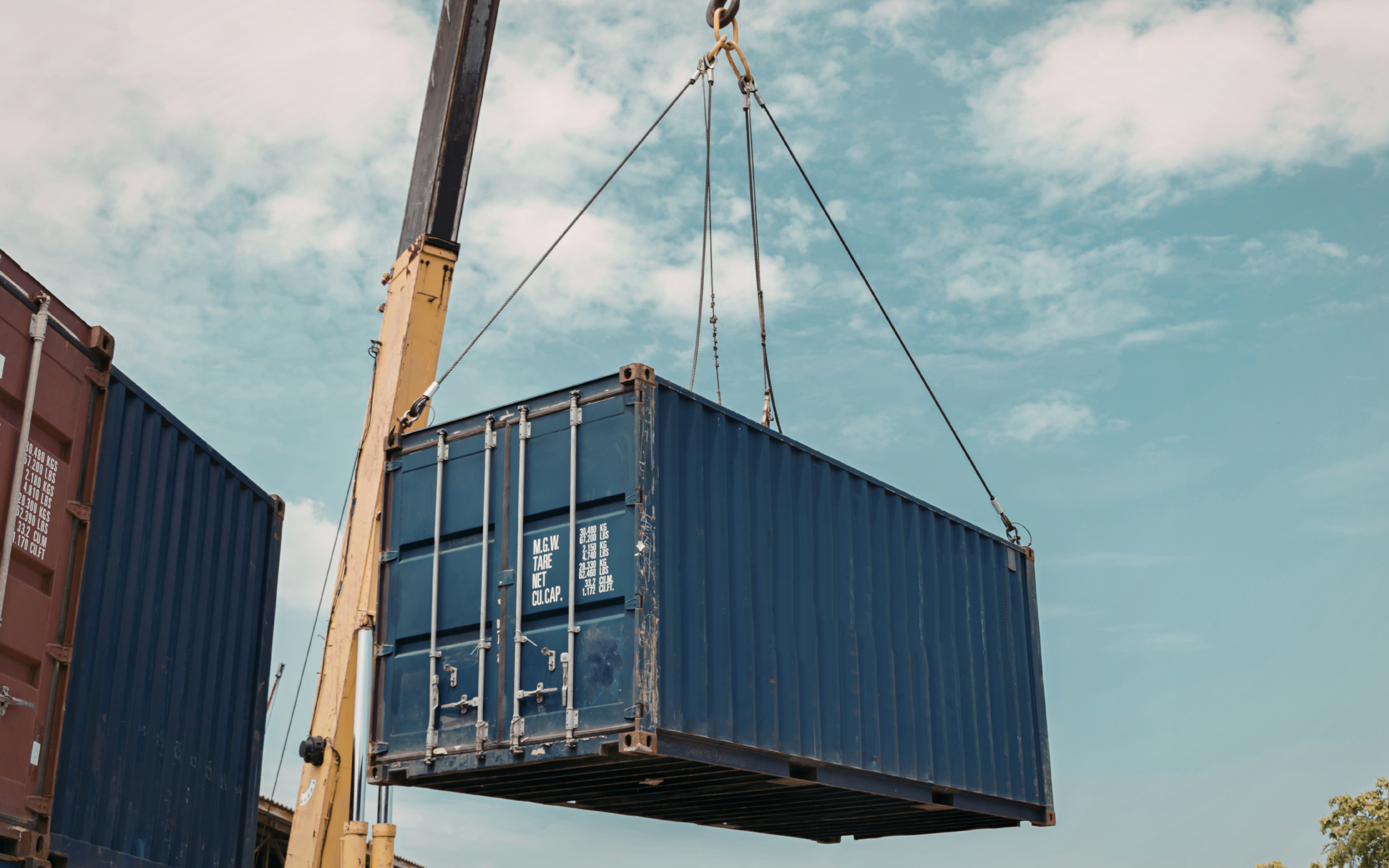
The latest disruption, driven in part by instability around the Strait of Hormuz, has once again pushed oil prices sharply upward. For logistics networks, this translates into immediate operational pressure. Fuel surcharges increase, routing becomes more conservative, and fleet managers double down on efficiency measures, from load optimisation to driver behaviour analytics.

In the commercial transport sector, these responses are well understood. Efficiency is a discipline, often measured in basis points and incremental gains. But a similar transformation is now unfolding in a less obvious corner of the mobility ecosystem: the automotive enthusiast aftermarket. And it offers a glimpse into where broader transport innovation may be heading.
At MOTORMIA, we analyse the real-time behaviour of more than a million performance-focused vehicle owners. As fuel prices began to climb, we saw a sharp and consistent pattern. Demand for ECU tuning rose by approximately 40 percent over the past two weeks, mirrored by a comparable increase of 35 percent in fuel system upgrades such as high-performance fuel pumps.
At first glance, this appears counterintuitive. Why would individuals invest in performance upgrades when the cost of fuel is rising? The answer reflects a deeper shift, one that parallels what is happening in commercial transport, albeit expressed differently.
When energy becomes more expensive, the focus shifts from consumption to optimisation. In freight and logistics, this takes the form of route planning algorithms, telematics, and predictive maintenance. In the enthusiast world, it manifests as software-defined performance and system-level vehicle optimisation.
ECU tuning is, in essence, a form of edge-level software optimisation. By refining ignition timing, recalibrating air-fuel ratios, and adjusting boost and throttle parameters, it enables engines to operate closer to their true efficiency frontier. The result is not only improved performance, but often more effective fuel utilisation, extracting greater output from each unit of energy consumed. This is a concept that resonates far beyond the enthusiast segment.
Across transport and logistics, the same principle is driving innovation: doing more with less energy input. Whether through electrification, hybridisation, or AI-driven fleet management, the industry is converging on a single objective: maximising efficiency per unit of energy.
The parallel increase in fuel system upgrades further reinforces this point. As engines are tuned for higher efficiency and output, supporting systems must evolve in tandem. Fuel delivery, thermal management, and airflow become part of an integrated optimisation stack rather than isolated components. This system-level thinking mirrors trends in commercial fleets, where vehicle performance is no longer assessed in isolation, but as part of a broader operational ecosystem that includes routing, maintenance cycles, and energy management.
In both cases, complexity is increasing, and with it, the need for intelligence layers that can manage that complexity. This is where AI tech from platforms like MOTORMIA can really shine. Beyond being a marketplace, it brings an intelligence layer. By understanding the specific configuration of a vehicle and mapping the interdependencies between components, AI wisdom guides users toward coherent upgrade paths that optimise both performance and efficiency.
The broader implication is clear: rising fuel costs are accelerating a convergence between enthusiast innovation and industrial transport strategy. Both are being pushed toward smarter, more efficient, and more integrated systems.
For the transport sector, where fuel costs, regulatory pressures, and decarbonisation targets intersect, this shift is particularly relevant. While electrification dominates the long-term narrative, the reality is that internal combustion engines will remain a significant part of the fleet for years to come. Improving their efficiency, even incrementally, has meaningful economic and environmental impact.
What we are witnessing is not simply a reaction to higher oil prices. It is a structural shift in how performance is defined across mobility. Performance is no longer just about speed or output, but about how effectively a system converts energy into motion.
And as energy becomes more expensive and more constrained, that definition will only become more central. From global supply chains to individual vehicles, the direction is the same: less waste, more precision, and a relentless focus on optimisation.