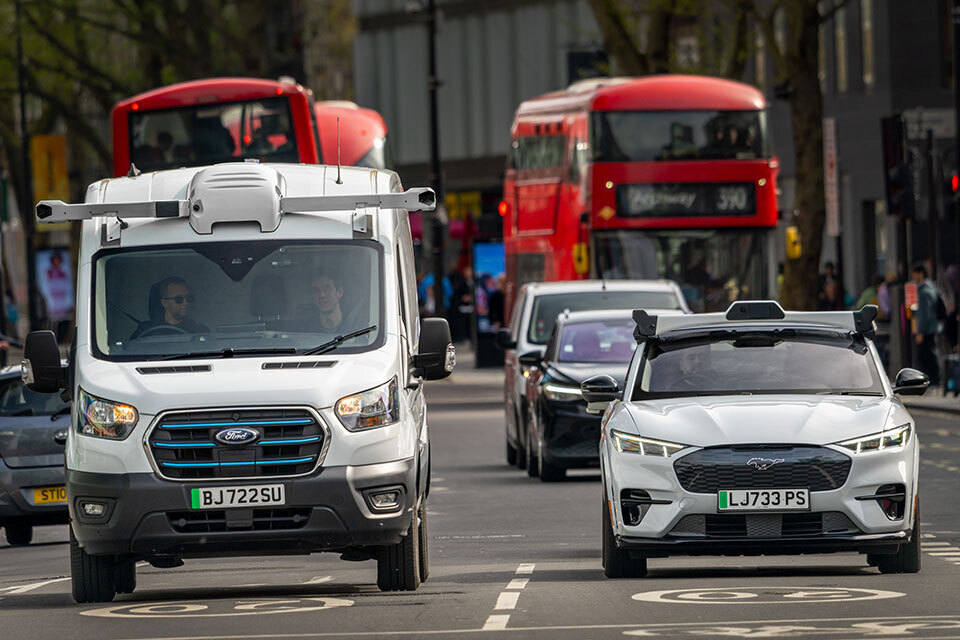
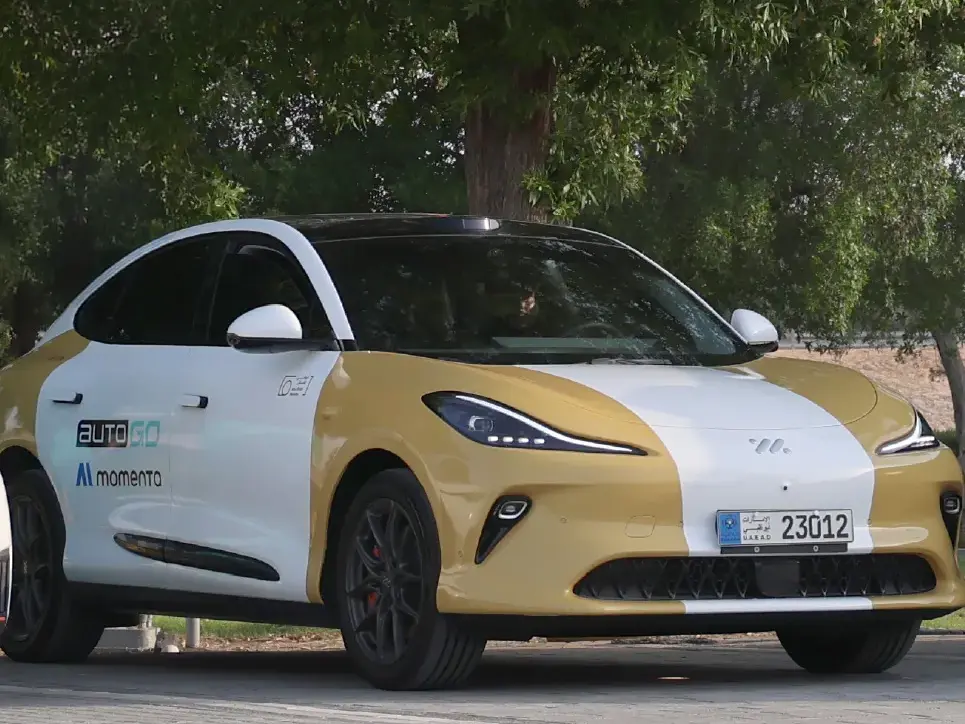
Apollo Go, the autonomous ride-hailing platform developed by Baidu, has begun testing its sixth-generation autonomous vehicles on public roads in London as part of a partnership with Freenow by Lyft.
The initial trial is taking place in the London Borough of Brent, where the vehicles are operating with safety operators on board while collecting data across a range of urban and suburban driving conditions. Subject to regulatory approval, the companies intend to begin carrying members of the public in 2027.
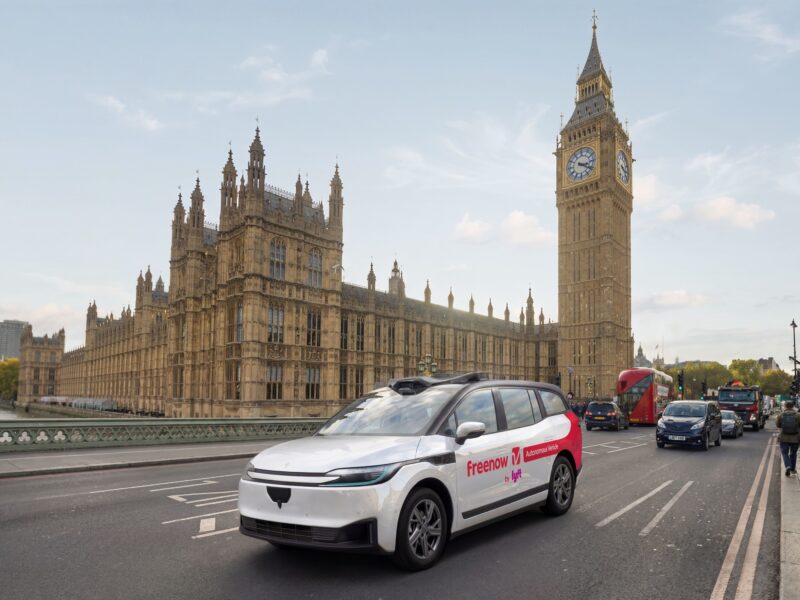
The deployment follows the strategic partnership announced by Baidu and Lyft in 2025, under which Apollo Go autonomous vehicles will be introduced to selected European markets through the Lyft platform. Under the agreement, Baidu provides its RT6 autonomous vehicles and self-driving technology, while Freenow by Lyft is responsible for local fleet operations and deployment.
The London programme also builds on Apollo Go’s expansion into right-hand-drive markets. Earlier this month, the company received approval from Hong Kong’s Transport Department to begin fully driverless Level 4 testing without an onboard safety operator on Airport Island.
Nan Yang, Vice President of Baidu and General Manager of the Overseas Business Unit within its Intelligent Driving Group, said:The arrival of Apollo Go vehicles in London marks a defining milestone in our global expansion. Testing our autonomous fleet in one of the world's most iconic and complex urban environments validates our technology's maturity and our commitment to this market. By combining our cutting-edge autonomous driving technology with Freenow by Lyft's local operational expertise, we are officially moving from vision to reality, together.
The RT6 vehicles will operate alongside Freenow’s existing taxi and private hire vehicle network, with the companies stating that the additional vehicles are intended to reduce passenger waiting times while expanding transport options.
Research commissioned by Freenow by Lyft and carried out by Censuswide found that 58% of London respondents said they would be willing to try an autonomous vehicle, with support rising to almost two-thirds among people aged under 35.
Thomas Zimmermann, CEO of Freenow by Lyft, said:As a platform with deep roots in the taxi industry, our priority is ensuring that autonomous technology supports the professional drivers who keep London moving. By integrating these purpose-built, autonomous vehicles from Baidu's Apollo Go into the Freenow by Lyft ecosystem, we will give Londoners more sustainable choices to travel, encouraging them to choose shared mobility services over personally-owned vehicles.
Apollo Go continues to expand its autonomous mobility operations internationally. As of April 2026, the company had completed more than 22 million passenger journeys. During the first quarter of 2026, it recorded 3.2 million fully driverless rides, while its fleet has accumulated more than 330 million autonomous kilometres across 27 cities worldwide, including over 220 million kilometres without a safety driver.