The Royal NLR (Royal Netherlands Aerospace Centre) and Rotterdam The Hague Airport (RTHA) have celebrated the successful demonstration of a flight powered by liquid hydrogen.
The demonstration saw NLR’s HYDRA-II drone fly using only liquid hydrogen, with the exercise aiming to display the capabilities of a full chain of supply, storage and application.
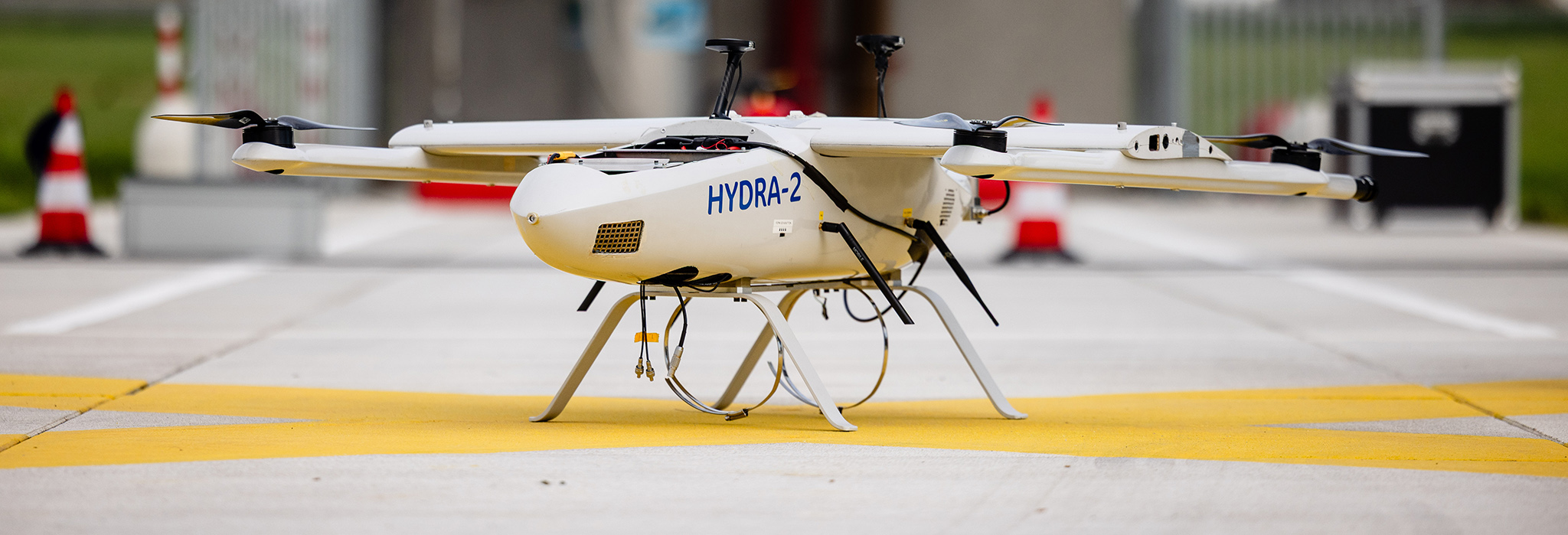
In 2025, the HYDRA-II drone became the first aircraft in the Netherlands to successfully fly on liquid hydrogen, and whilst the focus at the time was primarily on the drone technology itself, this latest demonstration provided more of a focus on what is needed to safely and practically use liquid hydrogen for flight at an active airport.
With the aviation sector actively exploring a range of alternatives to reduce CO2 emissions, (liquid) hydrogen is expected to provide a long-term solution alongside sustainable aviation fuels (SAF) and electric flight.
During this latest demonstration of the HYDRA-II drone; the complete chain was put to the test: from the delivery and storage of liquid hydrogen at the airport to its application in an aircraft, the display aimed to provide insight into how these processes might be organised safely, efficiently and effectively in practice, and what knowledge is still needed for future applications.
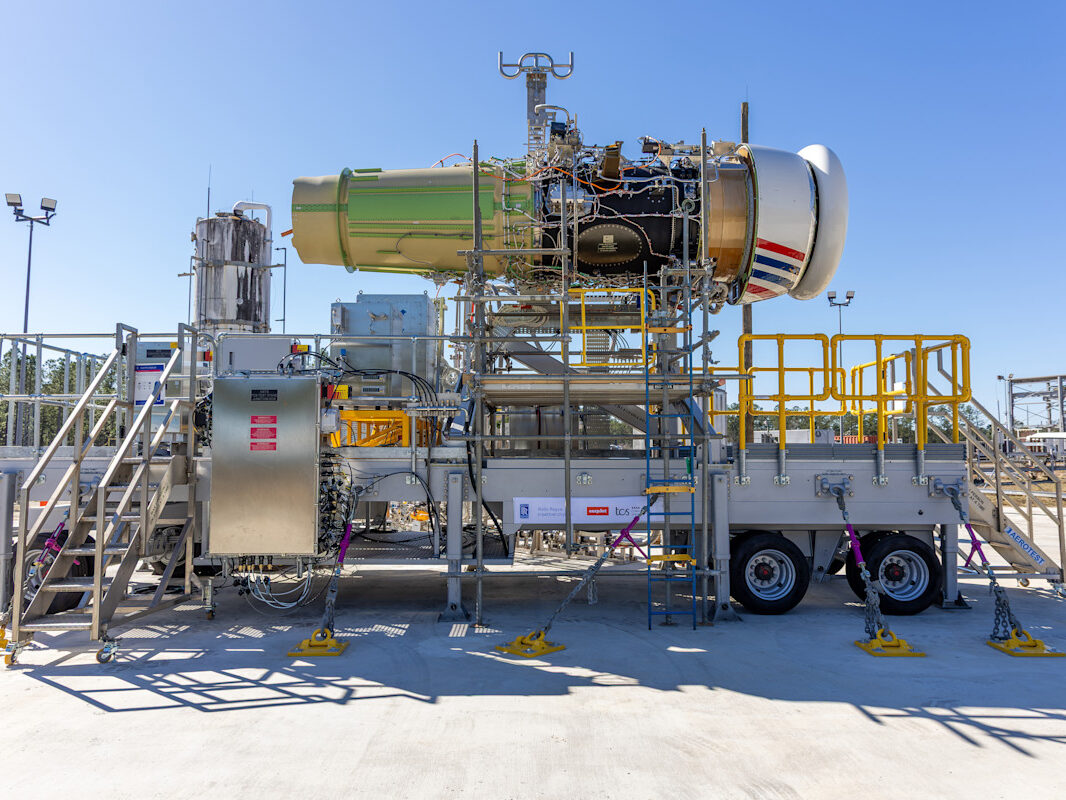
The demonstration, which is part of TULIPS, a European innovation programme under Clean Aviation, was carried out at Rotterdam The Hague Airport, which possesses its own liquid hydrogen storage facility – an element that would prove crucial to the successful operation of hydrogen flights moving forward.
Daan van Dijk, Senior Innovator at Rotterdam The Hague Airport:It is particularly important now to innovate and gain practical experience with hydrogen, so that we can understand the role it could play in the aviation of the future.
Thanks to the storage facility and the operational processes around it, we will be able to support research and testing applications requiring liquid hydrogen in the future. This is not yet commonplace at airports today, making this infrastructure and the practical knowledge gained particularly valuable for the further development of hydrogen in aviation.