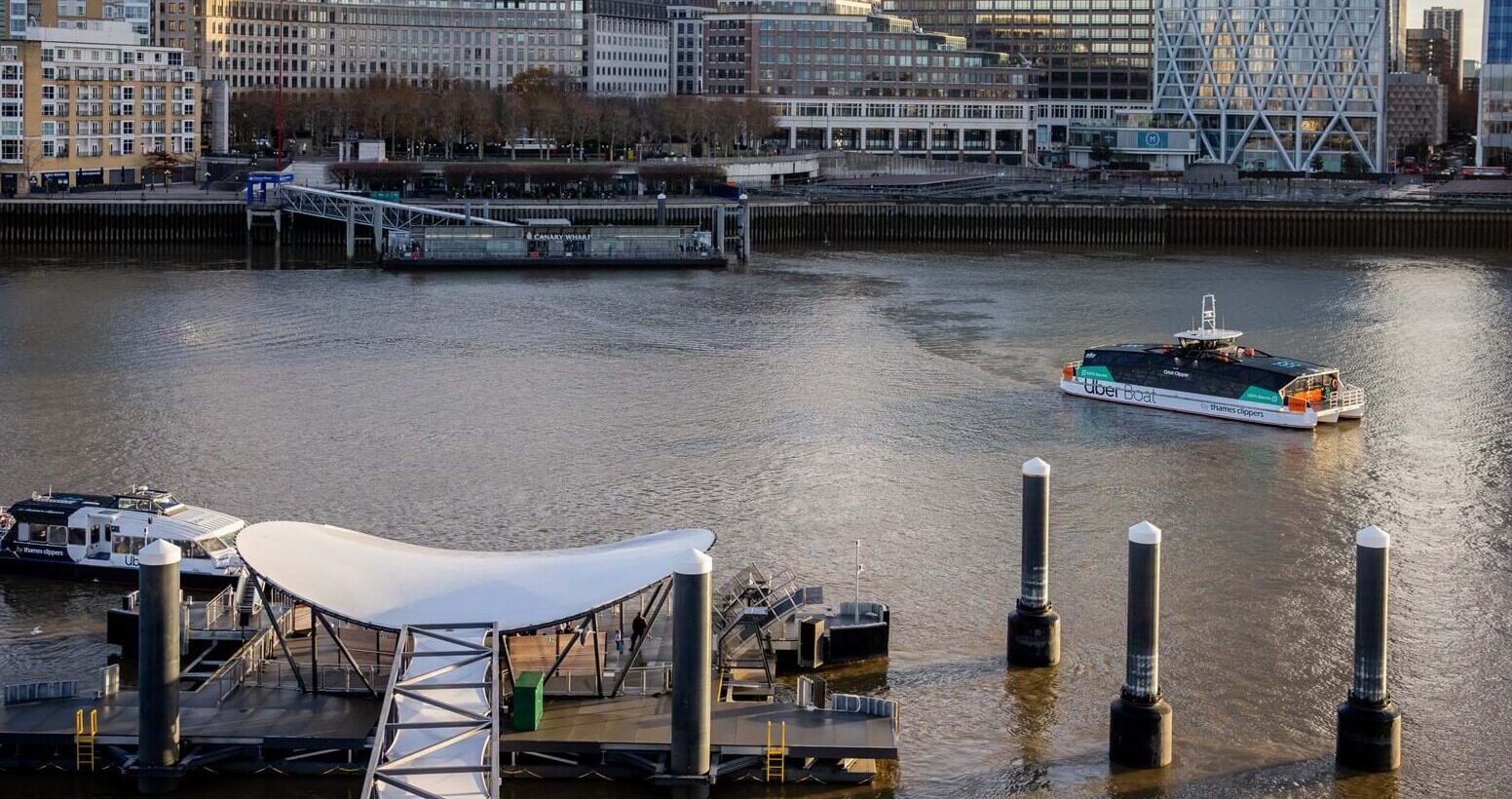
The Damen Shipyards Group has announced completion of construction on the first Waterbus 2907 Electric vessel.
Designed to provide sustainable public transport in urban areas, the vessel operates with low levels of wash and zero emissions.
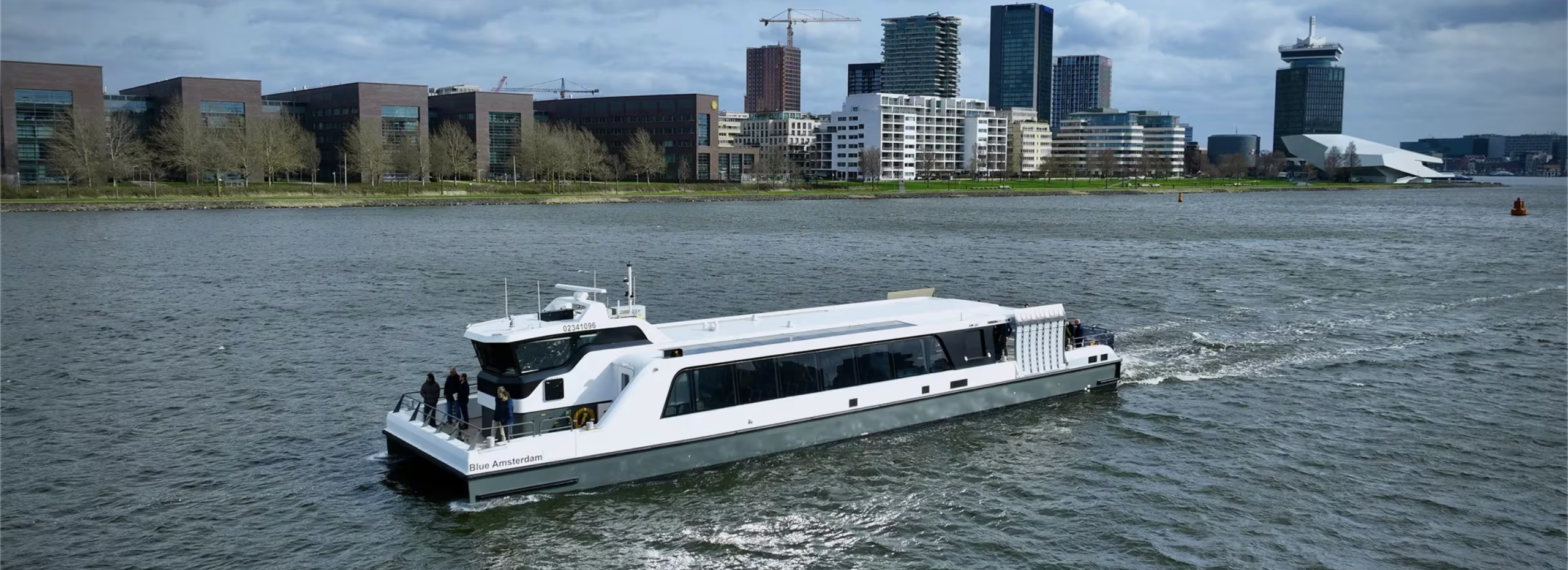
Officially introduced during a special event at Damen Shiprepair Amsterdam; Damen is now offering the vessel for immediate sale or lease.
During development, the company was awarded a sustainable shipbuilding subsidy (Subsidie Duurzame Scheepsbouw (SDS)) from the Netherlands Enterprise Agency (Rijksdienst voor Ondernemend Nederland (RVO)), which aims to stimulate innovative and experimental technologies looking to promote sustainability in both shipbuilding and conversion.
Damen initially built a set of hybrid Waterbus 2907s, all of which are prepared for conversion to full electric at a later date. Currently, the first fully electric version is an evolved design inspired by a number of alternative solutions found during development of the first generation fleet, such as the improved ergonomic features of the vessel’s wheelhouse, as well as its 1000 VDC system architecture.
Utilising carbon fibre; the Waterbus 2907 features an ultra-light hull developed in close collaboration with MARIN (Maritime Research Institute Netherlands), and produces a minimal amount of wave disruption, reducing disturbance for other waterway users. The vessel is equipped with a 1000-volt battery system that allows for rapid recharging via sockets previously used in the automotive sector, as well as the latest Megawatt Charging System (MCS) technology.
Particular attention has been placed on the overall passenger experience, which has resulted in a flexible interior layout. This allows operators to select not only the seating types they would like to use, but to tailor the layout to the requirements of their route, with optional features such as include bicycle storage.
Damen’s Product Manager Fast and City Ferries Lodewijk van Os, said:The development of the Waterbus 2907 Electric has been a fine balancing act.
This is a vessel that will be in constant use, facing multiple mooring and boarding moments every hour of the day. As such, it needs to be robust. At the same time, however, it will operate in an environment where sustainability is paramount. We’ve put a lot of effort into creating a platform that is efficient in operation, producing zero emissions, and optimally comfortable for passengers.
Electrification offers a clear route to increasingly sustainable maritime operations. This is particularly relevant for the waterborne public transportation sector, where new, greener connections will increase the attractiveness of services for both tourists and commuters alike.