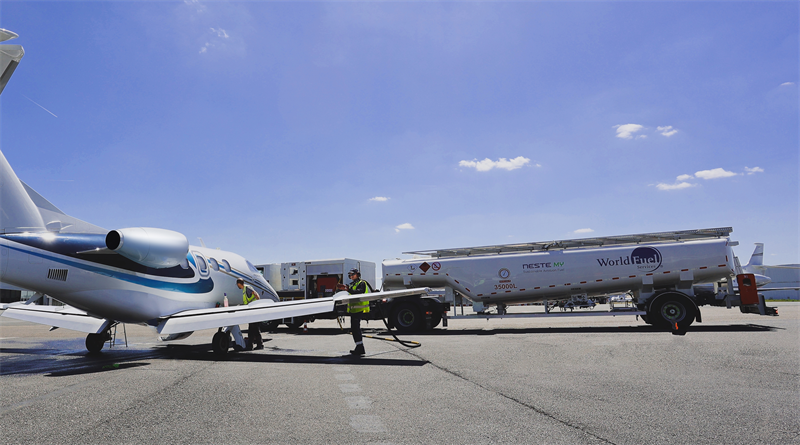
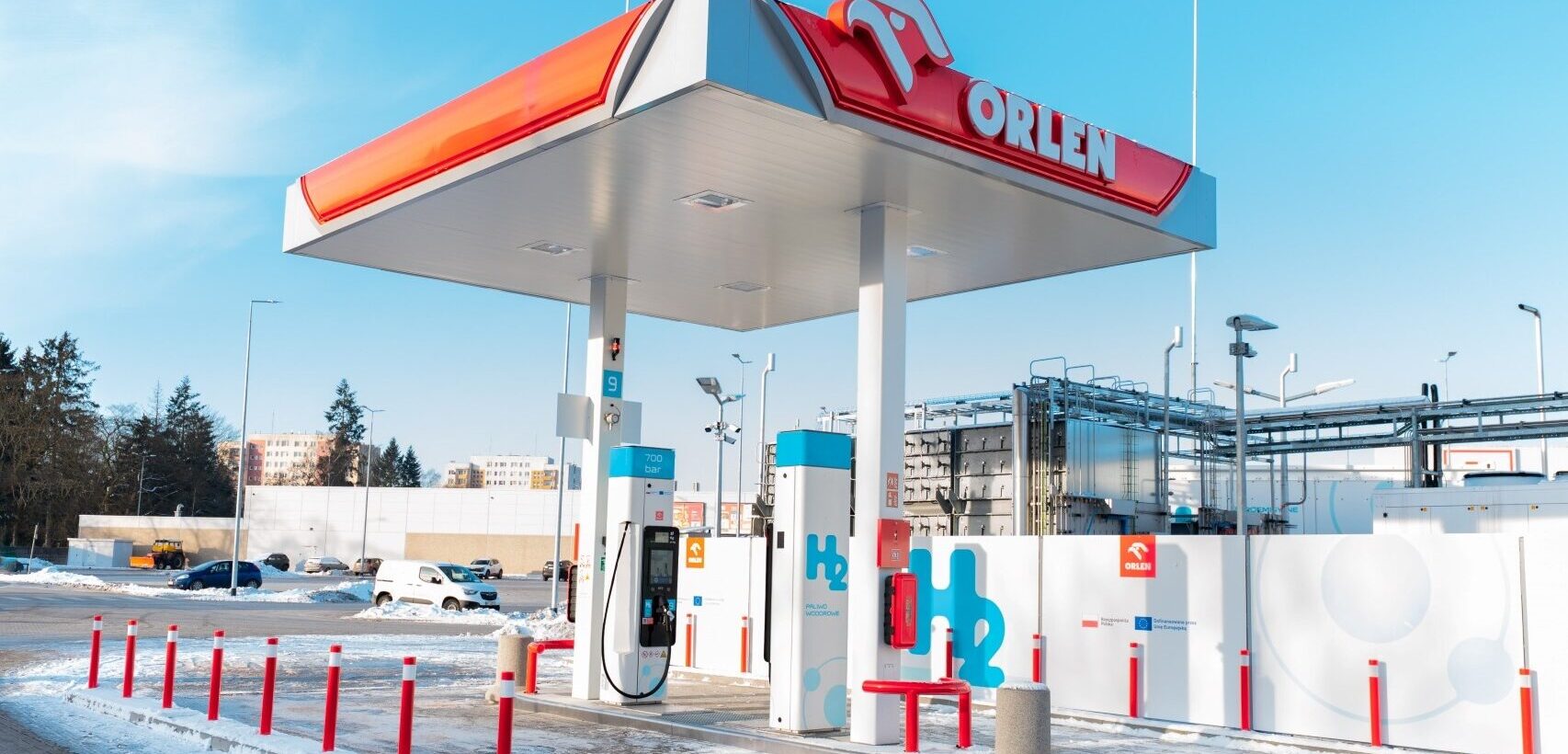
Bristol Airport and Equilibrion have announced the successful completion of a new feasibility study into large-scale production of nuclear-derived sustainable aviation fuel (SAF) and hydrogen within the South West of England.
The project seeks to demonstrate how the region could potentially meet Bristol Airport’s growing demand for sustainable fuels for both flight and ground operations.
Results from the study have found that a series of Small Modular Nuclear Reactors (SMRs) could be based in the South West, resulting in the generation of both SAF and hydrogen to aid in the Airport’s transition to lower emissions.
The technology, which is under development by Equilibrion, has been carried out as part of project Eq.flight, which was previously awarded funding from the UK Department for Transport. It aims to to reduce emissions from Bristol Airport’s flights by 29% in 2035 via the use of a long-term, low-carbon solution for aviation.
Further funding was provided via Bristol Airport’s Airport Carbon Transition (ACT) Programme, a strategic fund designed to fast-track decarbonisation projects to tackle emissions from flight and transport, as well as support organisations develop technologies that seek to drive the aviation industry towards zero carbon emission flights.
Dr Phil Rogers, Director at Equilibrion, said:We are delighted to have worked with Bristol Airport through the ACT programme to support its sustainable growth and emissions reduction plans. Eq.flight provides a unique opportunity to produce low-carbon fuels close to where they are used, creating jobs, investment, and local value.
Our mission to decarbonise aviation using nuclear energy is advancing rapidly, and completion of this project is a major milestone.