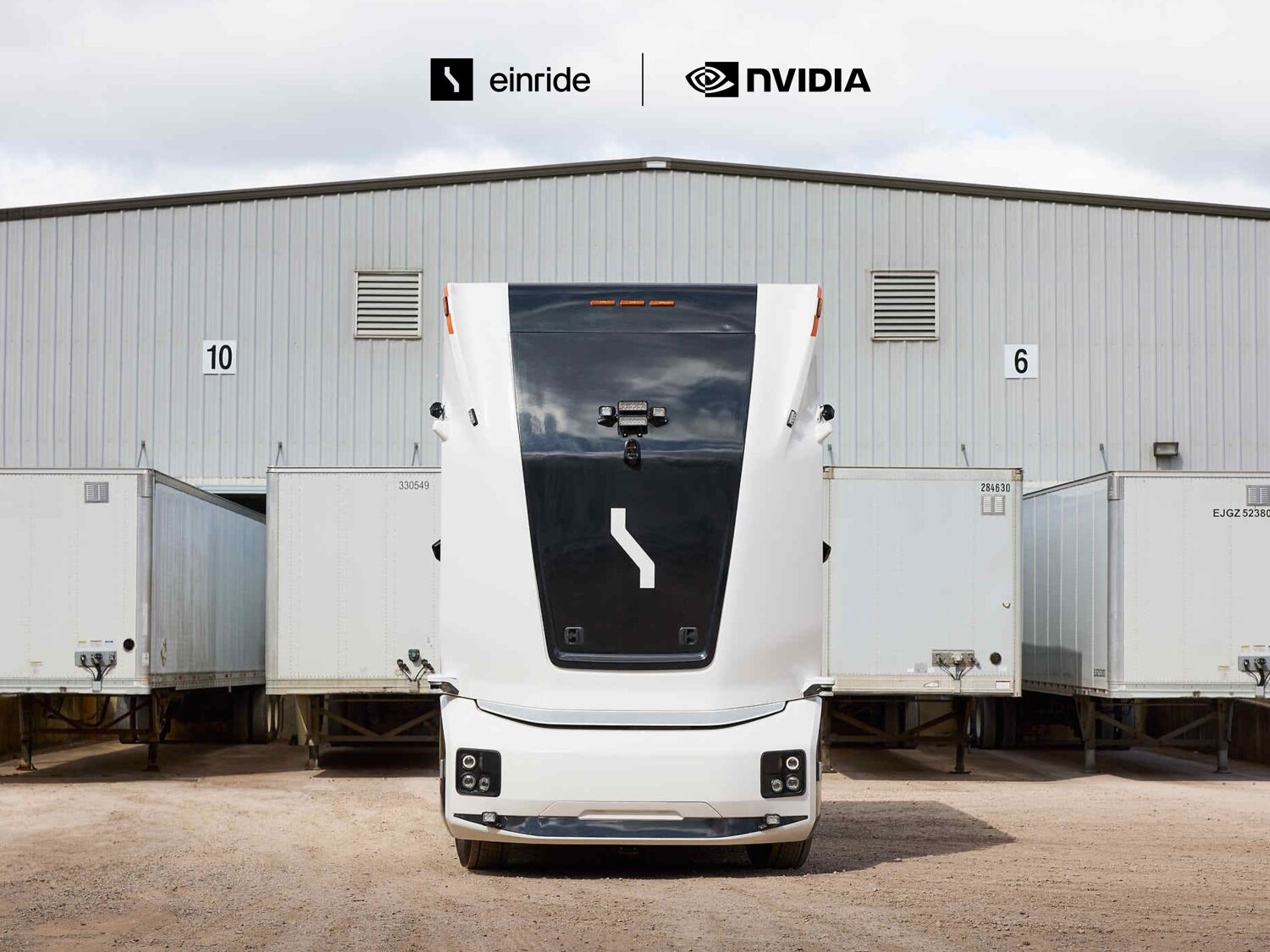
Einride AB has announced a major expansion of its partnership with international grocery retailer Lidl, which will see a near-doubling of annual electric freight volumes between the two parties’ Swedish operations.
The expansion aims to illustrate how an increasing number of retailers and shippers are beginning to adopt electric freight solutions in order to cut both emissions and cost.
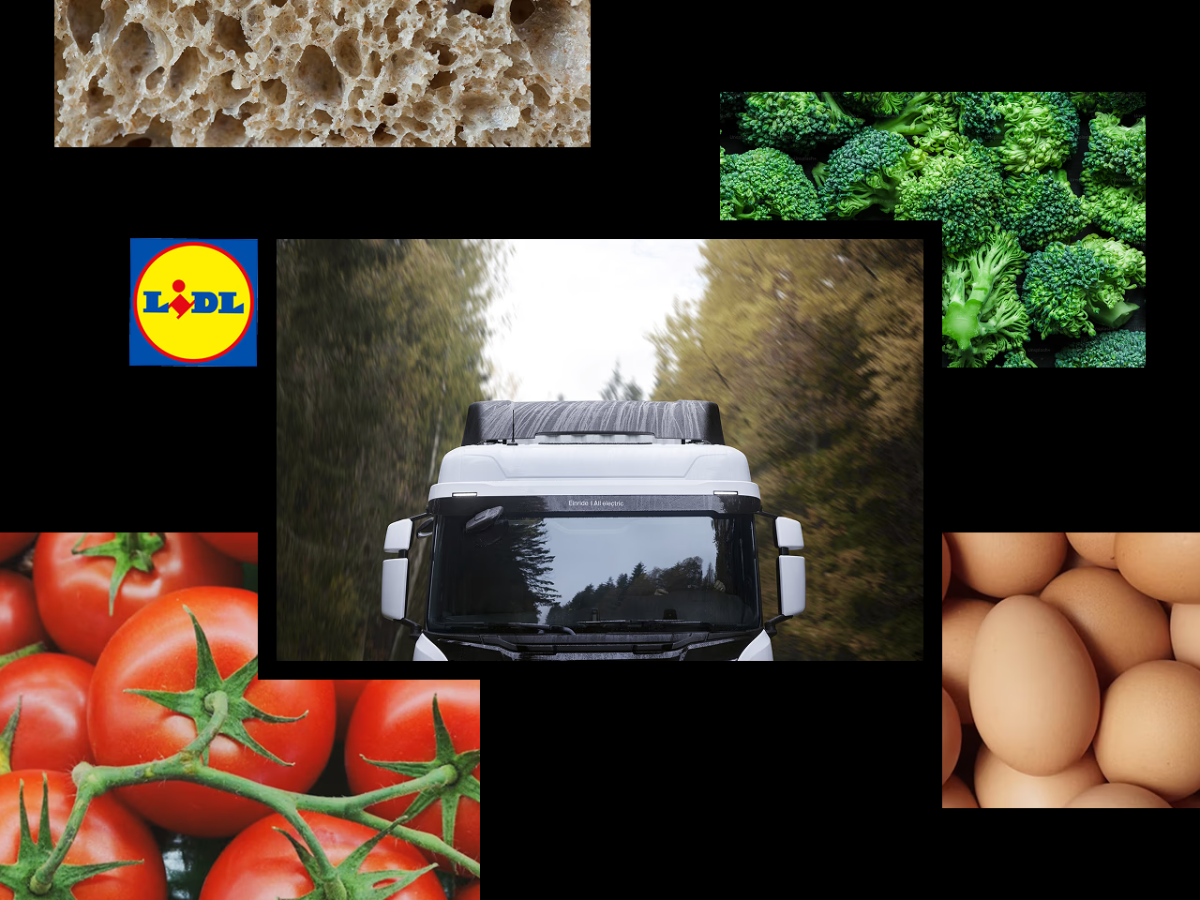
Through its own Freight Capacity-as-a-Service model; Einride integrates electric trucks and charging infrastructure with its own proprietary AI-powered planning and optimisation platform, Saga AI, which in turn seeks to leverage operational and customer data in order to enable shippers to meet transport demand with fewer vehicles, lower energy consumption, and reduced overall transport costs.
Carl Ceder, Vice President Region Nordics at Einride, said:This expansion with Lidl demonstrates a key inflection point for electric freight, not as a future ambition, but as a scalable, economically compelling reality.
What we see is a structural shift in how freight capacity is delivered, where software, infrastructure, and electrification converge to unlock operational efficiency and long-term value for our customers.
Einride and Lidl have been conducting electric freight operations together in Stockholm since 2020, and this expansion will see their joint offering introduce longer-haul transport and increased capacity to the central Swedish regions of Värmland, Östergötland, Mälardalen, Dalarna, and parts of Västergötland and Småland – increasing the number of electric kilometres operated by Einride on behalf of Lidl from 474,000 to 832,000 kilometres per year.
Rasmus Laursen, Head of Logistics at Lidl SE, said:Einride has been a reliable partner in our work to electrify freight in Sweden. Since we started working with them in Stockholm, we've seen that electric transport can be both operationally efficient and cost-competitive.
This expansion lets us bring that same model to more regions and it is a clear step forward in our commitment to sustainable supply chains.