In 2025, the mobility conversation matured. Across transport authorities, technology providers and public services, the focus shifted from experimentation to delivery, from ambition to outcomes. Expectations sharpened around what modern mobility systems must provide: inclusion by design, intelligence grounded in real-time data, and trust backed by strong governance.

SkedGo’s work this year sat squarely within these shifts, contributing practical solutions that aligned with – and helped advance – broader transport and technology trends.
Inclusion as a Core System Requirement
One of the clearest signals in 2025 was that inclusive mobility could no longer sit at the margins of transport planning. Public bodies increasingly demanded operational models that improve access to healthcare, employment and essential services, particularly for people excluded from conventional public transport.
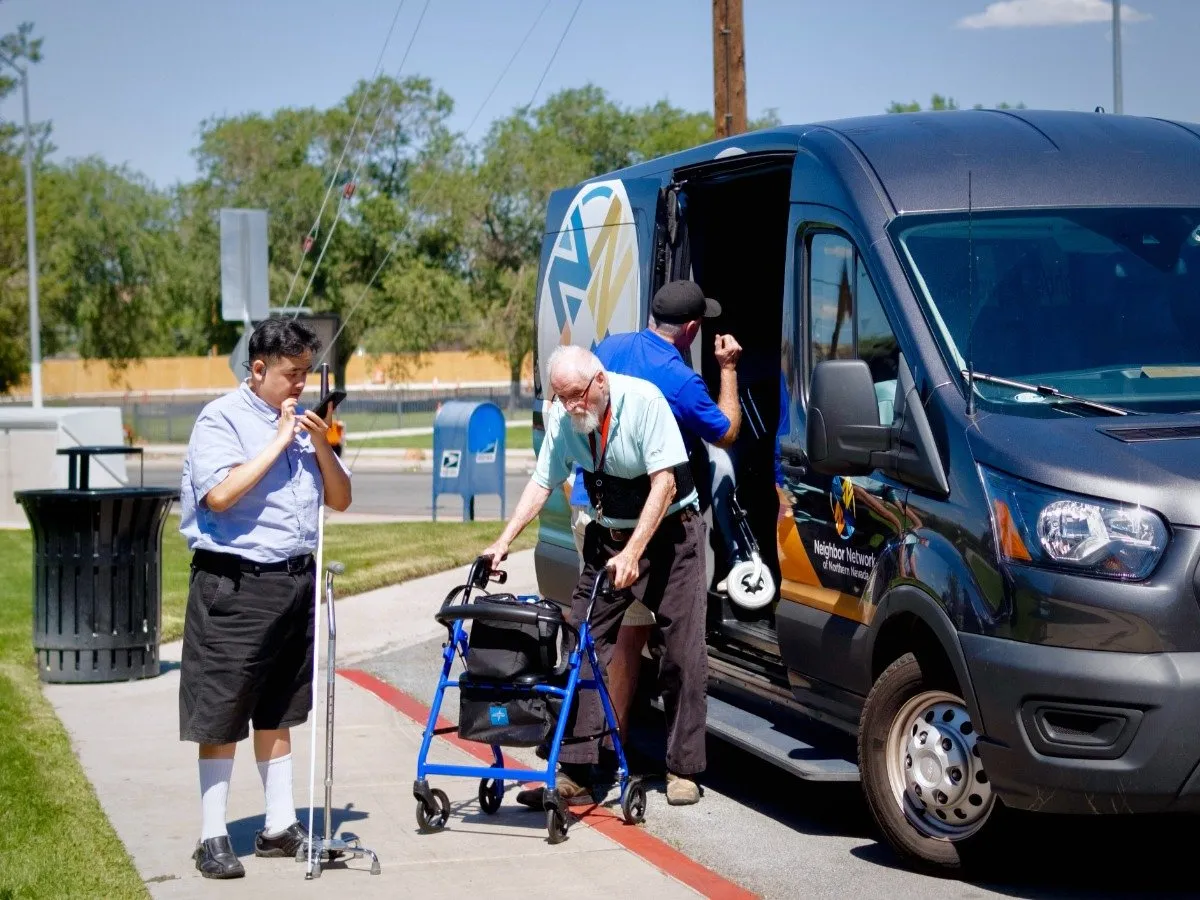
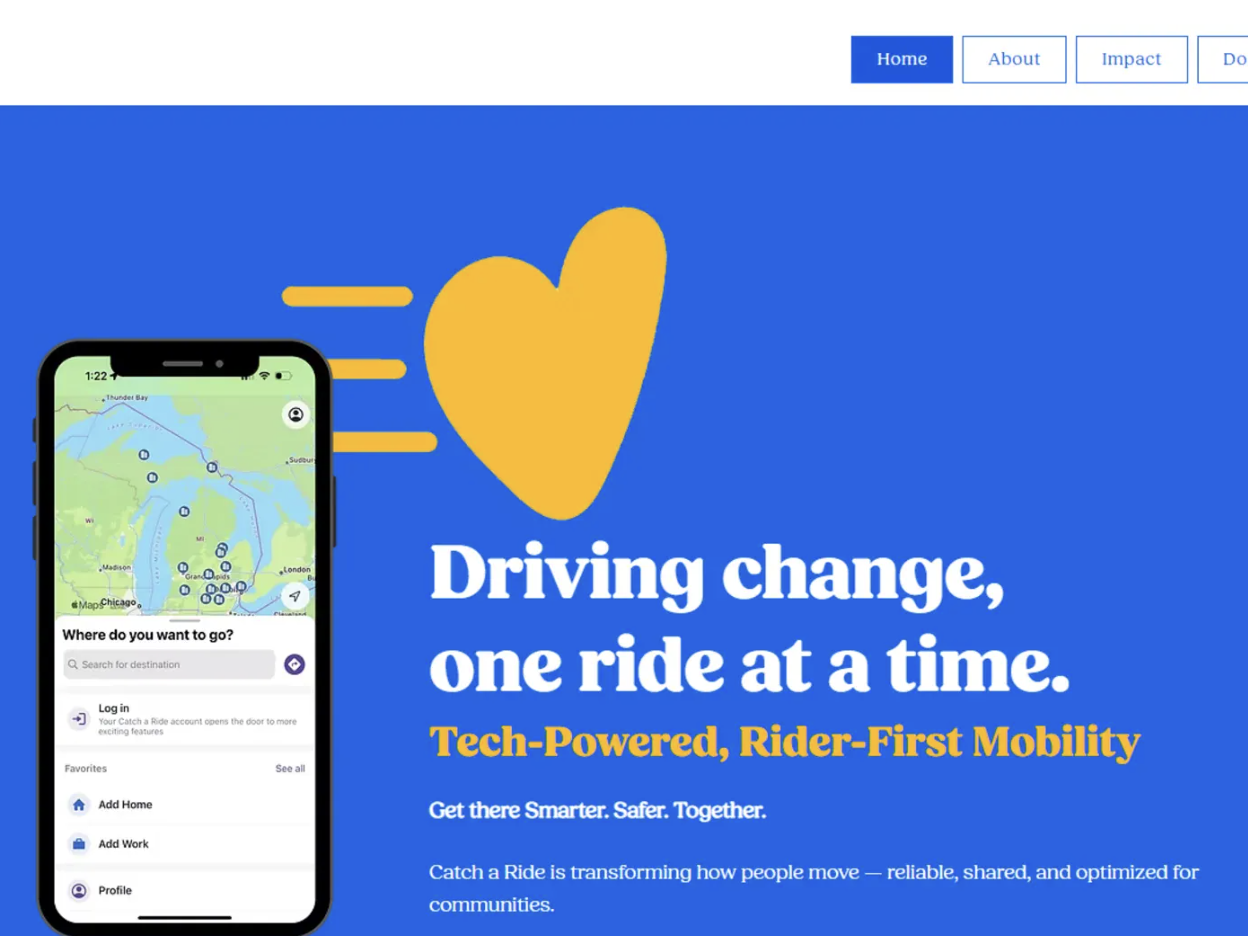
This was reflected in Catch a Ride, a coordinated transport model bringing together fixed-route services, community transport, taxis and volunteer drivers. The initiative demonstrated how smarter orchestration of existing capacity can reduce missed appointments, improve independence and deliver better outcomes without major infrastructure investment.
We then explored how this kind of programme can be applied within Australia’s disability ecosystem, showing how digital transport coordination can improve NDIS compliance, efficiency and participant experience.
Together, these initiatives reflected a broader sector shift: inclusive mobility is increasingly understood as essential social infrastructure, not a specialist add-on.
AI and Real-Time Data Move from Hype to Utility
2025 also marked a turning-point for AI in transport. The narrative moved away from abstract experimentation towards assistive intelligence that solves real travel problems, particularly during disruption.
Our ground-breaking work on conversational mobility illustrated how combining live network data with AI can transform journey planning from static instructions into context-aware, responsive guidance. This aligns with an industry-wide recalibration of AI expectations, prioritising reliability and delivering real impact.
This focus reinforced a growing consensus across the sector: AI only delivers value in mobility when it is anchored in trusted, real-time data and strong governance.
Developers as Enablers of Scalable Mobility
As transport becomes increasingly digital, 2025 highlighted the role of developers as key enablers of better mobility outcomes.
Releases such as TripKit iOS 5.0 and React-based mobility components reflected a wider move towards modular, interoperable systems that allow cities, operators and partners to deploy journey planning faster and more consistently across platforms.
This mirrors a broader trend across transport technology: scalable mobility depends on strong APIs, open standards and reusable components, particularly for mid-sized cities and agencies with limited internal development capacity.
Mid-Sized Cities Step into Focus
While global cities often dominate transport innovation narratives, 2025 brought renewed attention to mid-tier and regional cities, where fragmented networks and constrained budgets demand smarter, data-led approaches.
Analysis of under-used mobility data showed how better integration and interpretation of existing datasets can support more equitable planning, targeted investment and improved service coordination, without large-scale infrastructure expansion.
Complementary work on Mobility-as-a-Service explored how MaaS can help overcome service gaps in these contexts, positioning digital mobility platforms as force multipliers rather than costly overhauls.
Ticketing: From Transactions to Integrated Journeys
Another important theme in 2025 was the evolving role of ticketing within the wider mobility ecosystem. As expectations shift towards seamless, end-to-end journeys, ticketing is increasingly understood not as a standalone transaction, but as a critical component of the overall travel experience. Analysis this year highlighted common pitfalls when ticketing systems are bolted onto journey planners without shared data models or real-time context, often resulting in poor user experience and limited adoption.
Further exploration focused on what ticketing providers need to consider as journey planning becomes a core capability rather than a value-added extra — including interoperability, disruption handling and multi-modal coverage.
A third piece examined how closer integration between ticketing and journey planning enables better decision-making for travellers, operators and authorities alike, reinforcing a broader sector shift toward outcome-focused mobility rather than isolated products.
Trust, Security and ISO 27001
As mobility platforms become more data-rich and AI-enabled, trust emerged as a defining issue in 2025.
Achieving ISO 27001 certification marked an important milestone for SkedGo, reflecting growing expectations that transport technology providers demonstrate robust information security, risk management and governance, especially when working with public authorities and critical infrastructure.
Rather than constraining innovation, this shift strengthens it. Scalable AI, open data and deep system integration all depend on credible assurance frameworks that give partners and clients confidence to adopt and expand digital mobility solutions.
Looking Ahead
Across 2025, a consistent pattern emerged:
- Inclusive mobility is becoming a delivery requirement, not a policy aspiration
- AI is expected to be practical, transparent and grounded in real-time data
- Developer-first platforms are essential for scale and interoperability
- Trust, security and governance are now prerequisites for adoption
Together, these trends point toward a future where mobility systems are not just smarter, but more reliable, more inclusive and more aligned with public value. The foundations laid this year set a clear direction for what comes next.
This article was originally published by SkedGo.