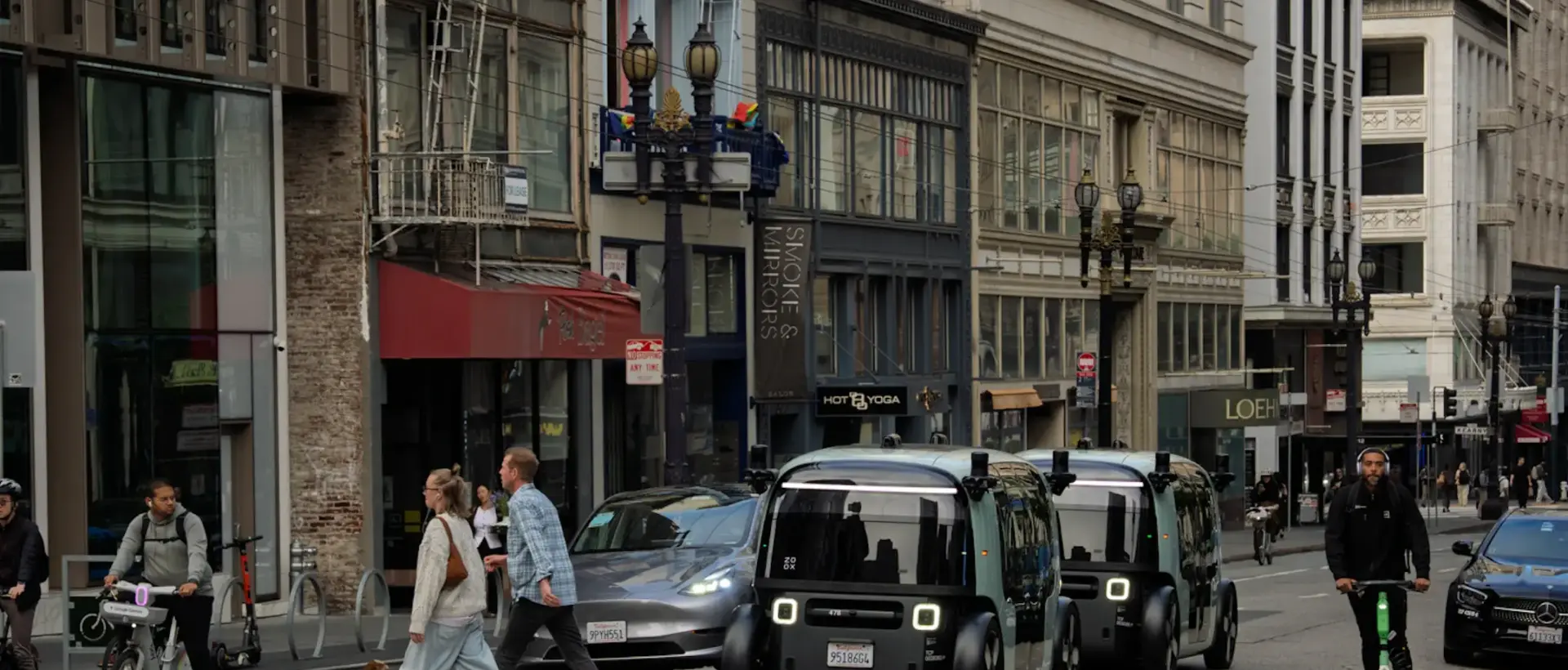
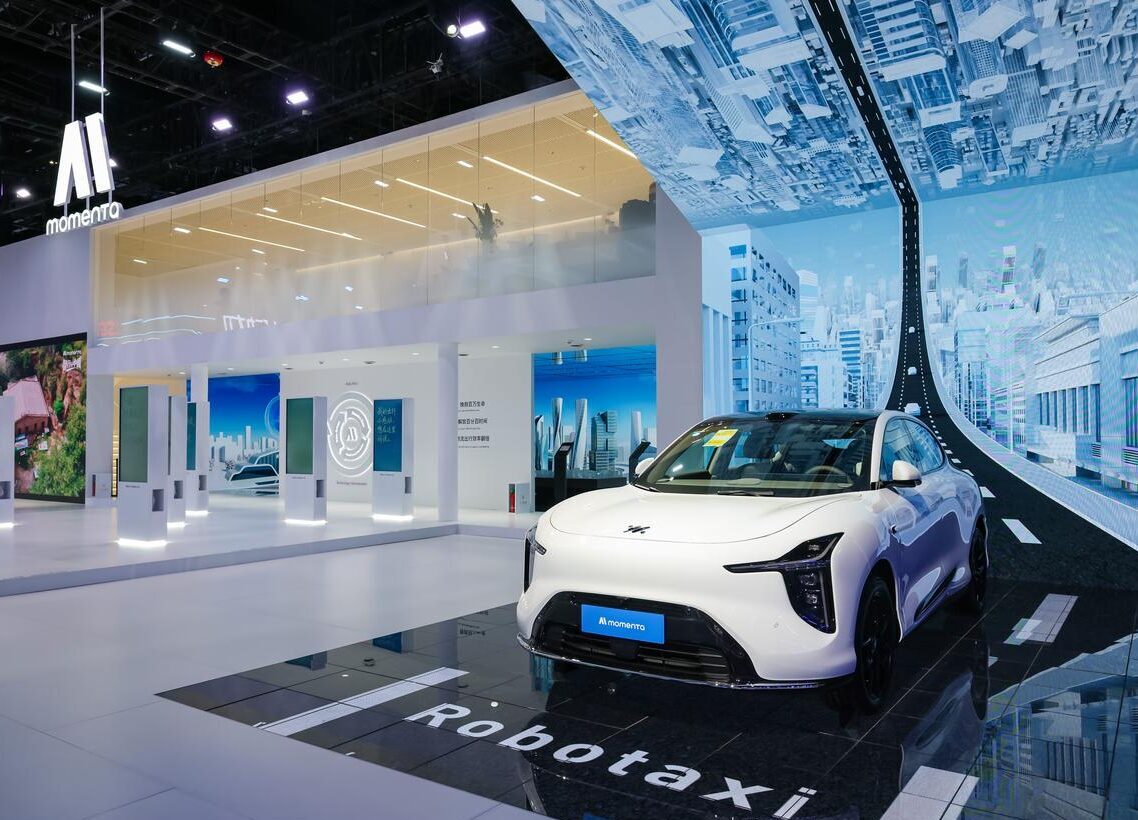
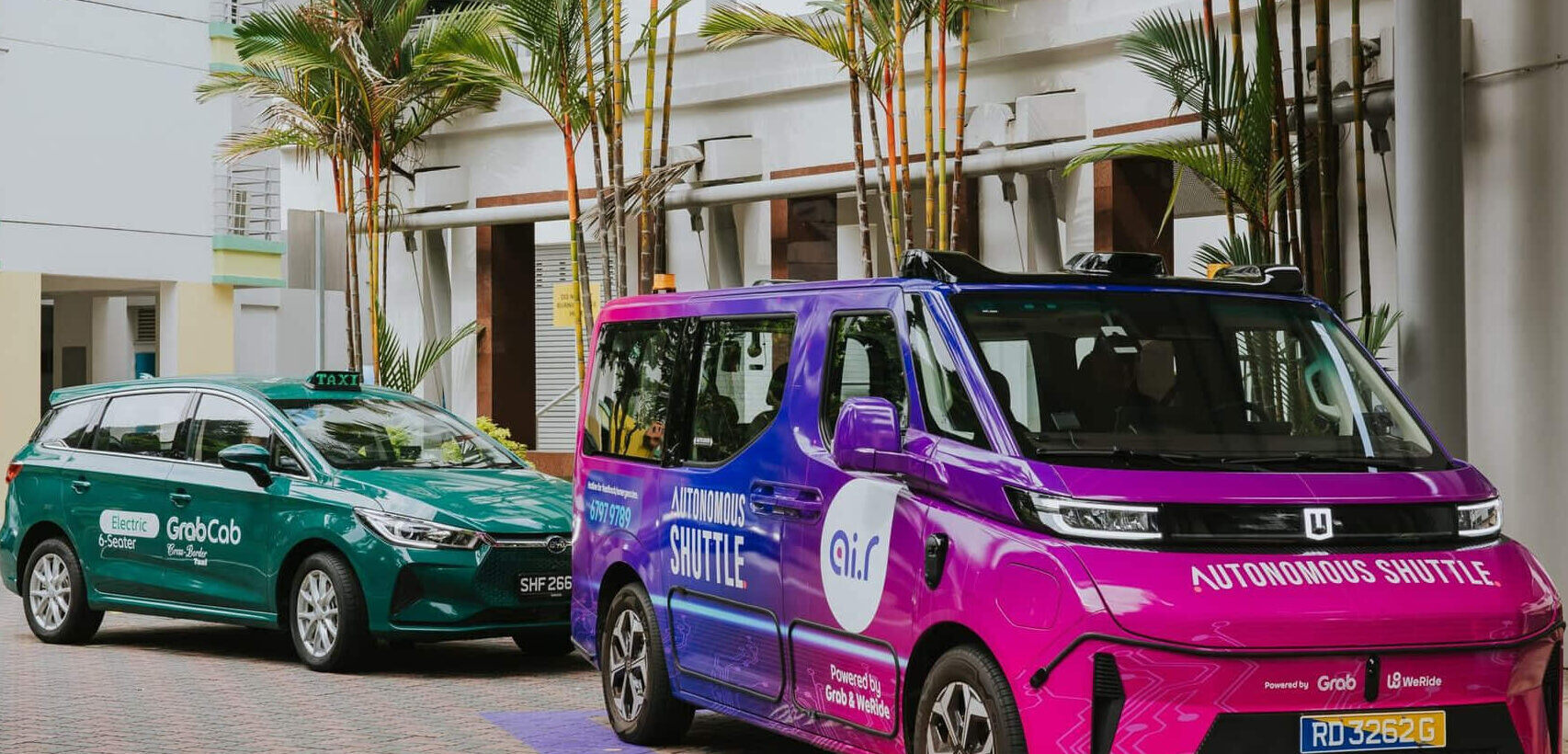
NVIDIA has made its Alpamayo 2 Super foundation model for autonomous vehicles available for commercial use. This expands access to AI tools designed to support the development of robotaxis and other self-driving systems.
The model is part of NVIDIA’s Alpamayo family of open reasoning models and is built on the company’s Cosmos 3 Super Reasoner. It has been post-trained using reinforcement learning to support complex driving tasks, including planning vehicle trajectories, interpreting road situations and explaining decision-making processes.
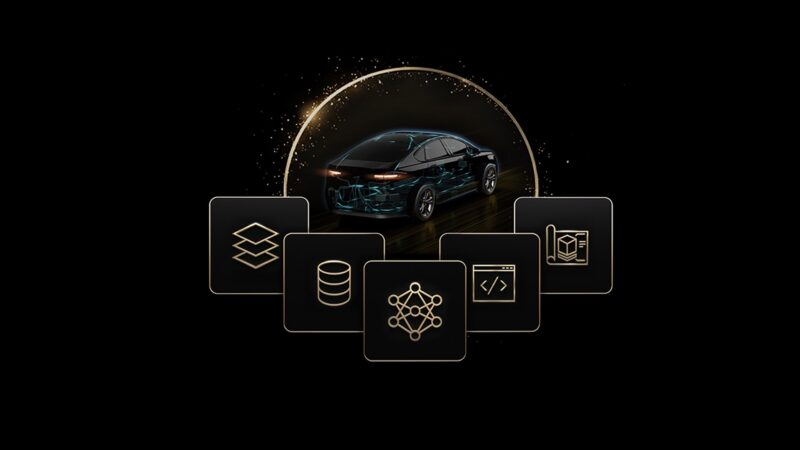
Alpamayo 2 Super is now distributed under the Linux Foundation’s OpenMDW-1.1 licence, allowing automakers, autonomous vehicle developers and suppliers to fine-tune, modify and commercially deploy the model without requiring additional permissions from NVIDIA.
The open licensing framework enables developers to adapt the model using proprietary fleet data and driving policies while retaining control over their own infrastructure and AI development.
NVIDIA said the commercial licence will also be extended across the wider Alpamayo model family, including earlier versions that were previously intended primarily for research and development.
Alpamayo 2 Super supports a cloud-to-vehicle workflow, allowing developers to generate reasoning data, synthetic training datasets and teacher models in cloud environments before deploying smaller, optimised models for real-time operation in production vehicles.
The foundation model can generate several outputs from a single driving scenario, including a planned vehicle trajectory, an explanation of the reasoning behind its decisions, high-level driving intentions such as yielding or changing lanes, automatically generated training labels and visual question-answering responses linked to specific areas of camera images.
These capabilities are intended to make autonomous driving models easier to inspect and validate during development while supporting safety engineering workflows aligned with the ISO/PAS 8800 guidance for AI safety in road vehicles.