In 2026, community transport is no longer a fringe conversation. It is central to how cities and regions enable inclusive access to essential services. Traditional transport planning often overlooks people who do not travel every day on fixed routes or use mainstream mobility apps, such as people with a variety of disabilities or those living in underserved communities. Yet for most people, reliable transport is a prerequisite for health, employment, education and independence.
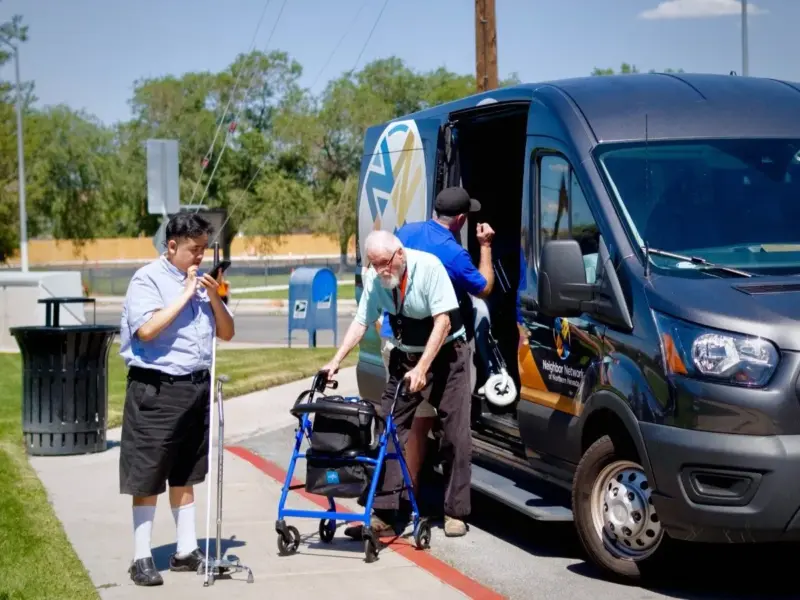
The future of community transport lies in better integration. Digital tools are beginning to connect local, human-centred services with wider ecosystems eg. healthcare, workplaces and education or social care centres, making them easier to access, easier to manage and more resilient. When technology supports, rather than replaces human care, community transport can scale its impact without losing what makes it work.
At SkedGo, we believe mobility technology should help entire systems function better, from metropolitan networks to small, community-led services. That means interoperable planning, shared visibility across modes and tools that support inclusion as a core outcome, not an afterthought.
Why community transport matters more than ever
Across many countries, significant numbers of people struggle to reach essential destinations such as medical appointments, workplaces or education due to transport barriers. For those affected, this is not a question of convenience but one of access and opportunity.
These challenges cut across geography. In rural towns, distances and limited services are key barriers. In cities, complexity, cost and accessibility issues often prevent people from travelling independently. Missed appointments, reduced workforce participation and social isolation are common consequences.
Historically, community transport services such as volunteer driver schemes, nonprofit shuttles or subsidised ride programmes have operated in isolation from mainstream transport systems. They often rely on manual coordination and local knowledge, which makes them invaluable but also difficult to scale or integrate.
That is now beginning to change.
Digital tools and human care: the path forward
The next phase of community transport is not about automation for its own sake. It is about better coordination, visibility and choice.
When digital mobility tools are designed well, they can:
- Make community transport services visible alongside public and on-demand transport
- Increase efficiencies and reduce cost for government agencies
- Reduce administrative burden for organisations coordinating journeys
- Improve understanding of demand, usage patterns and unmet needs
Crucially, this does not remove the human element. Community transport continues to rely on trust, personal support and flexibility, particularly for older people, disabled travellers and those with complex needs. Technology works best when it quietly supports these relationships rather than attempting to replace them.
Feonix and SkedGo: a real life case study in inclusive transport
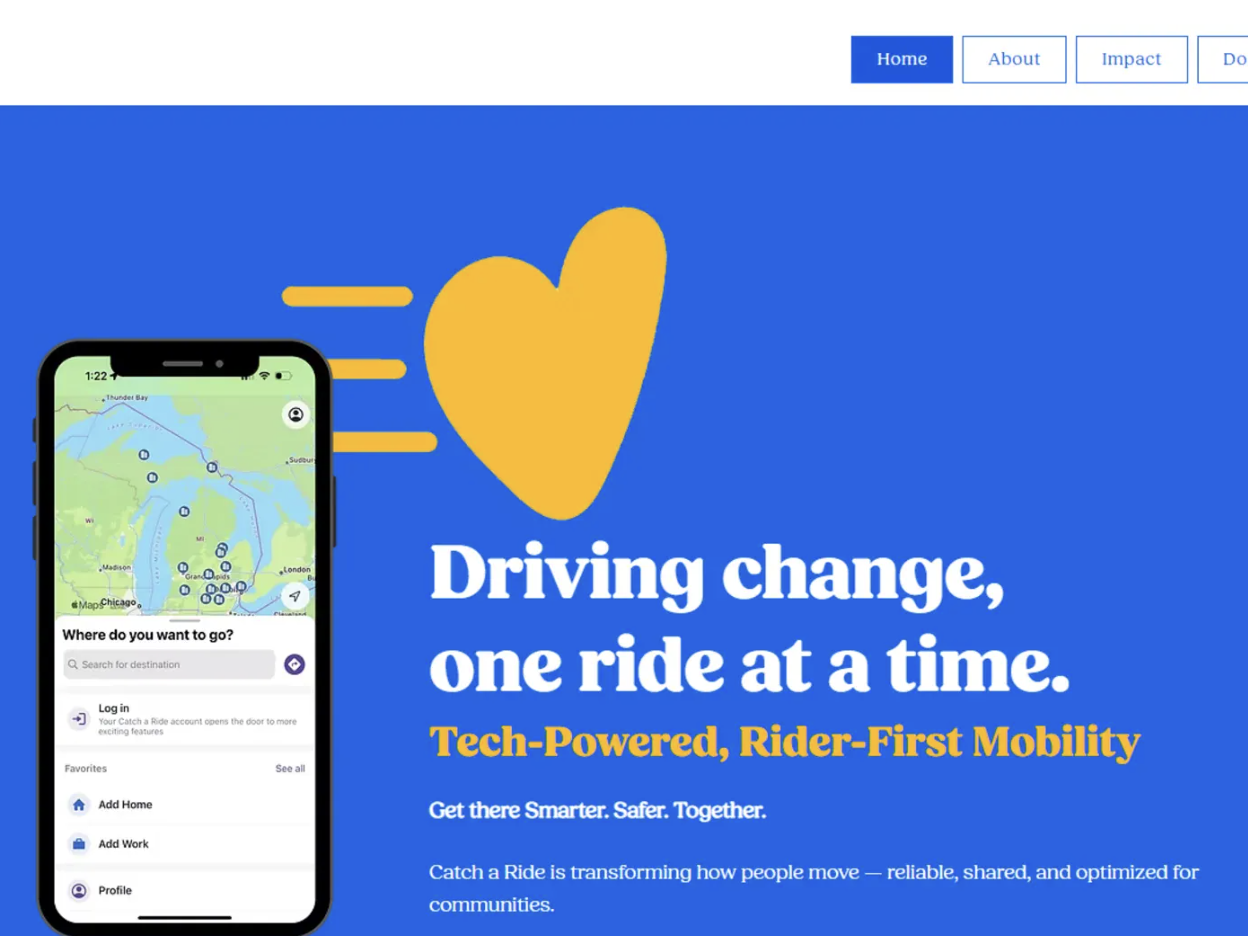
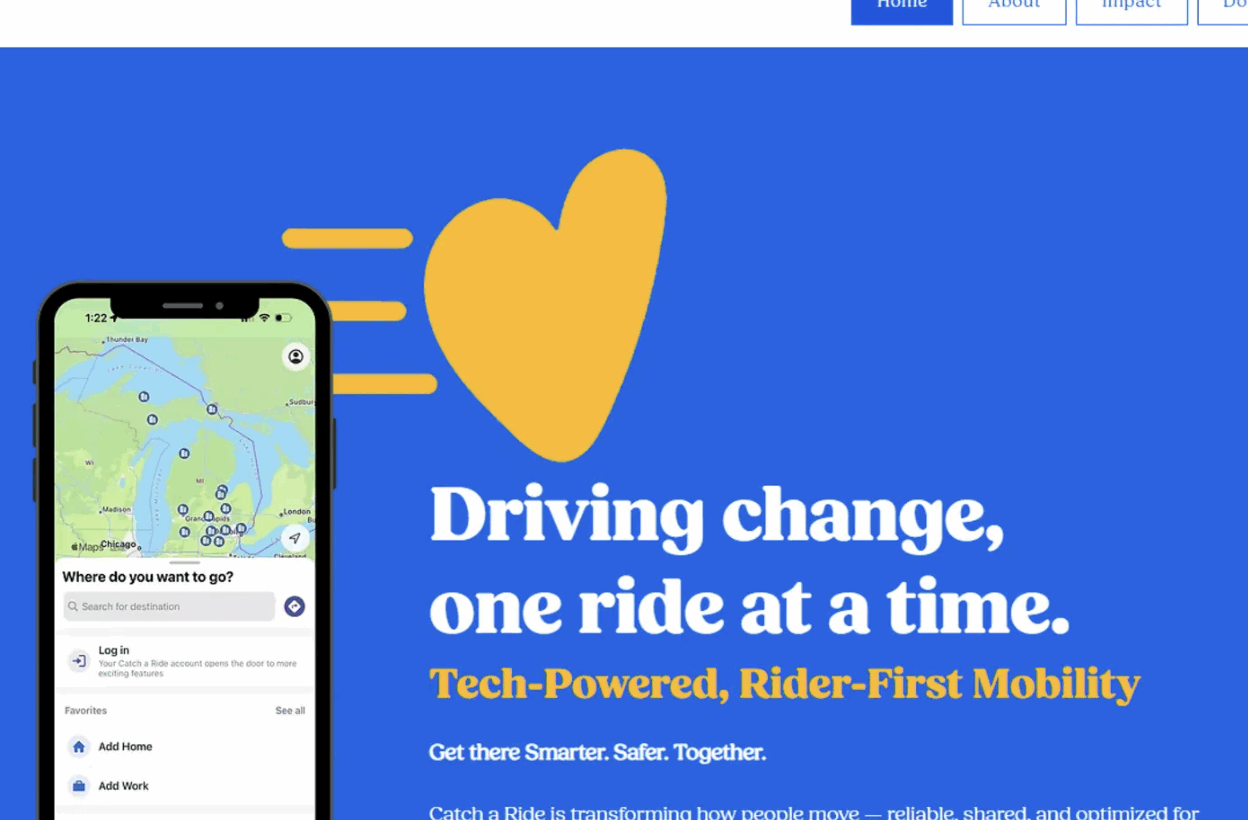
A practical example of this approach in action is the Catch a Ride Network developed by Feonix, powered by SkedGo’s mobility technology.
Feonix works with healthcare providers, community organisations and local transport services to remove transport barriers for people accessing essential services. Its Catch a Ride Network brings together community transport providers, volunteer drivers, taxis, rideshare services and public transport into a single coordination model.
The network enables social agencies and healthcare providers to arrange transport across multiple services without needing to manage each one separately. Importantly, it allows smaller, locally run transport services to participate alongside larger providers, without complex technical integration.
SkedGo provides the underlying mobility technology that makes this possible, supporting multimodal journey planning, shared coordination tools and flexible onboarding for small providers.
👉 Read more about the Catch a Ride Network and SkedGo’s role
Why it matters
- Better visibility, with all transport options accessible in one place
- Greater efficiency, reducing manual scheduling and coordination
- Wider inclusion, allowing small community services to extend their reach
Community transport opportunities in Australia
In Australia, the National Disability Insurance Scheme (NDIS) plays a vital role in supporting people with disability to access transport as part of everyday life. For participants who cannot use public transport independently, the scheme funds a range of transport supports, including community transport, taxis, private vehicles and travel training.
At the same time, NDIS transport delivery is complex. Providers operate across fragmented systems, with varying levels of digital maturity and growing requirements around reporting, safeguarding and value for money. Participants, meanwhile, need clarity, reliability and genuine choice.
This is where digital mobility infrastructure can make a meaningful difference. By bringing community transport, on-demand services and public transport into a single planning and coordination layer, technology can help NDIS providers improve oversight and efficiency while supporting participant autonomy. The goal is not to standardise journeys, but to make inclusive transport easier to deliver and easier to navigate.
Learning from mainstream innovations: Uber Health
Signals of this shift are also visible in the mainstream mobility sector. Uber Health enables healthcare providers to book rides on behalf of patients who may not have smartphones, payment cards or the ability to manage journeys independently.
By embedding transport into care pathways, rather than treating it as a separate consumer service, this model has helped reduce missed appointments and improve access to timely care. While it operates at a very different scale to community transport, it reflects a broader trend towards outcome-focused mobility.
Looking ahead in 2026
In 2026, community transport will be more connected, more visible and better supported by digital infrastructure. The most successful systems will be those that combine clear data and coordination with deep local knowledge and human support.
Local governments, transport authorities and service providers need to:
- Strengthen community transport through interoperable digital tools
- Use data to understand gaps and improve outcomes, not just measure activity
- Build partnerships across public, private and nonprofit sectors
At SkedGo, we are committed to mobility that connects people to life, not just locations. When transport systems are designed around inclusion, everyone benefits.
The future of community transport is collaborative, inclusive and intelligent. If you are a city leader, NDIS provider, community transport organisation or mobility partner exploring how to deliver more connected and human-centred transport, start a conversation with SkedGo and help shape mobility systems that work for everyone.
This article was originally published by SkedGo.