At InnoTrans 2026, Alstom and Decathlon have presented a joint concept for combining cycling, micromobility and rail travel.
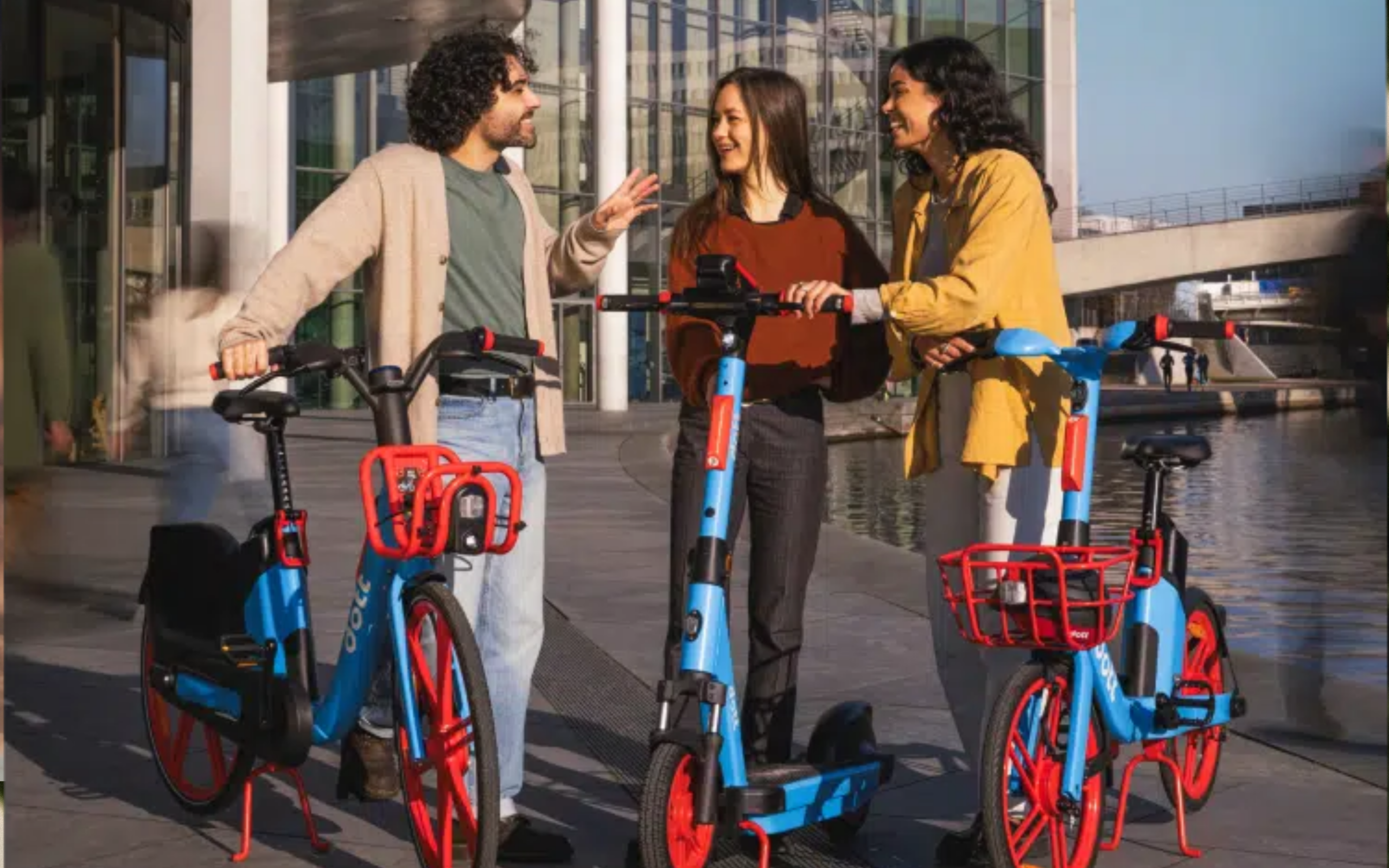
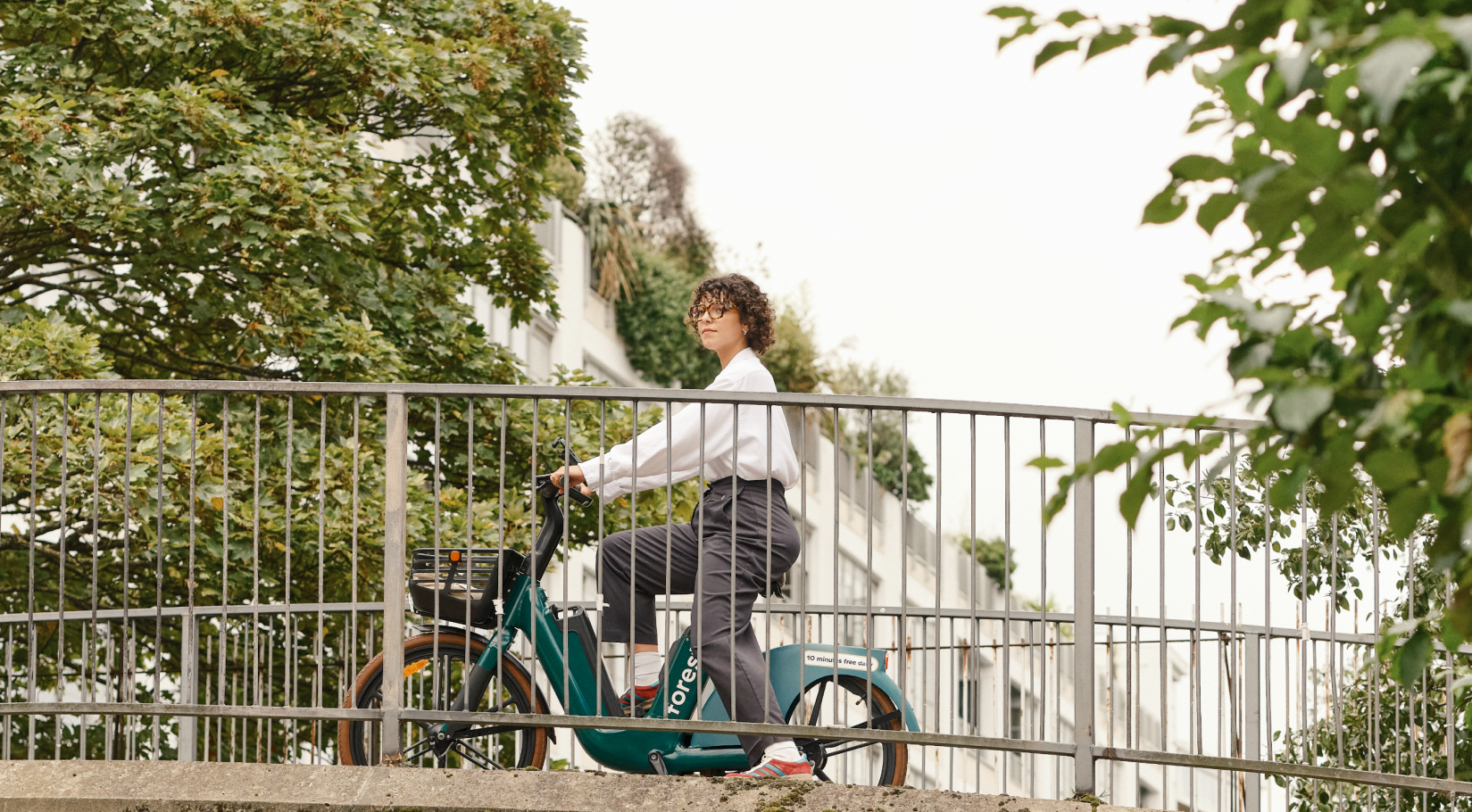
The project explores how the journey between a passenger’s home and a train can be made easier for people travelling with bicycles or scooters. The work is based on research into the practical challenges faced by travellers using multiple modes of transport.
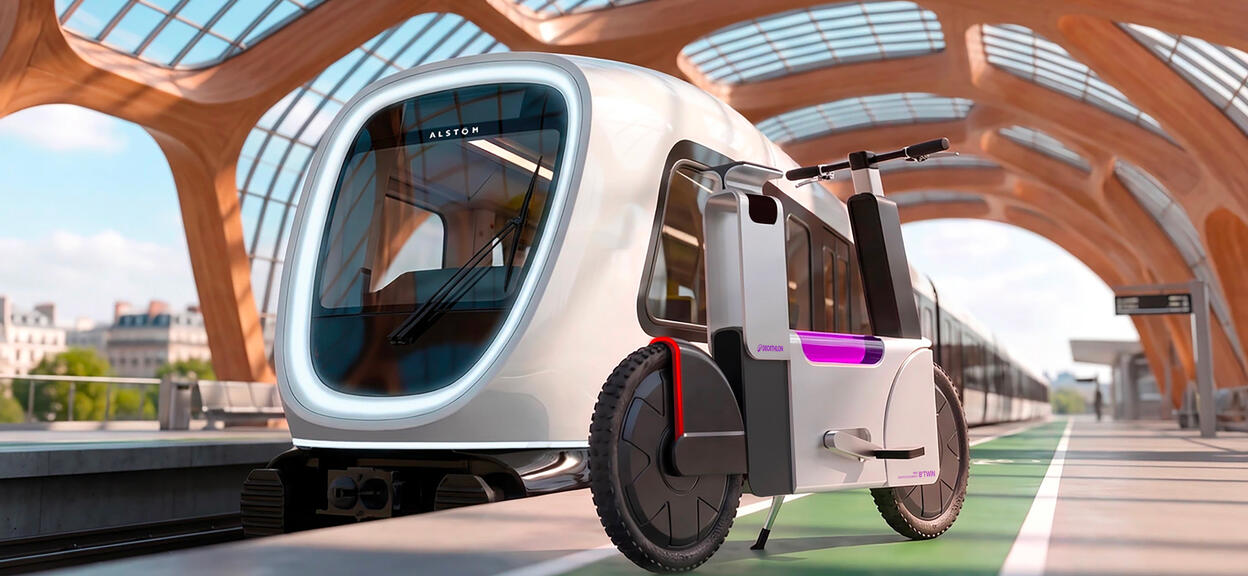
The collaboration combines Alstom’s experience in rail vehicles, systems and passenger flow management with Decathlon’s expertise in cycling, everyday mobility and product design.
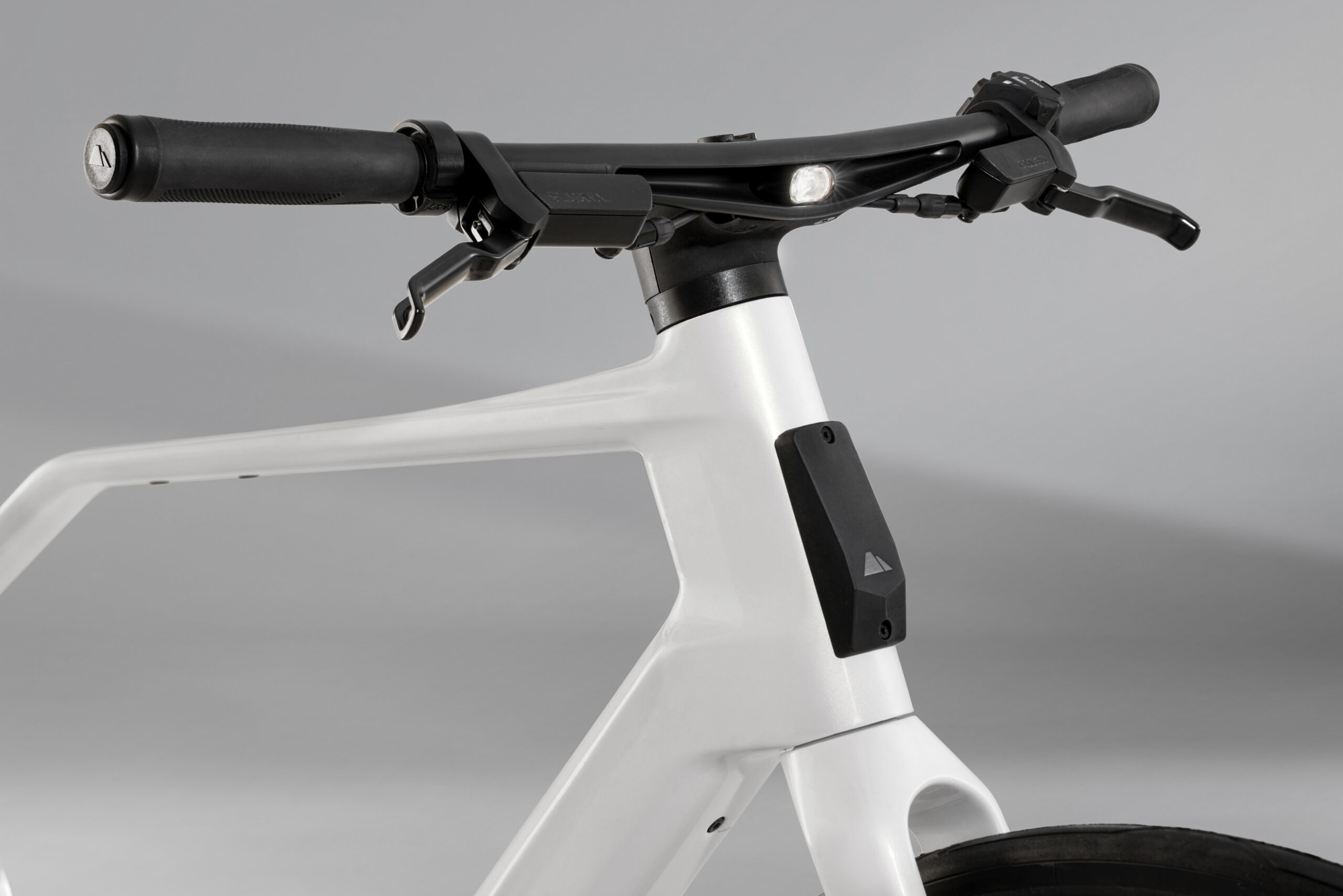
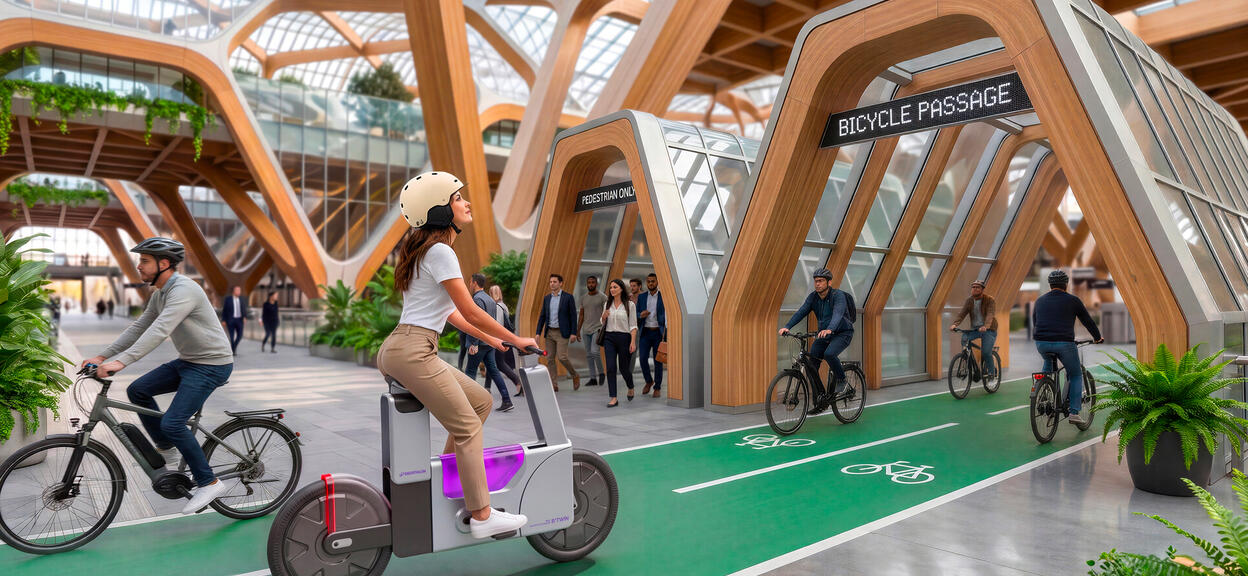
At the centre of the concept is a connected bicycle or scooter designed specifically with train travel in mind. The proposed equipment has a compact design and features intended to make it easier to take on board trains.
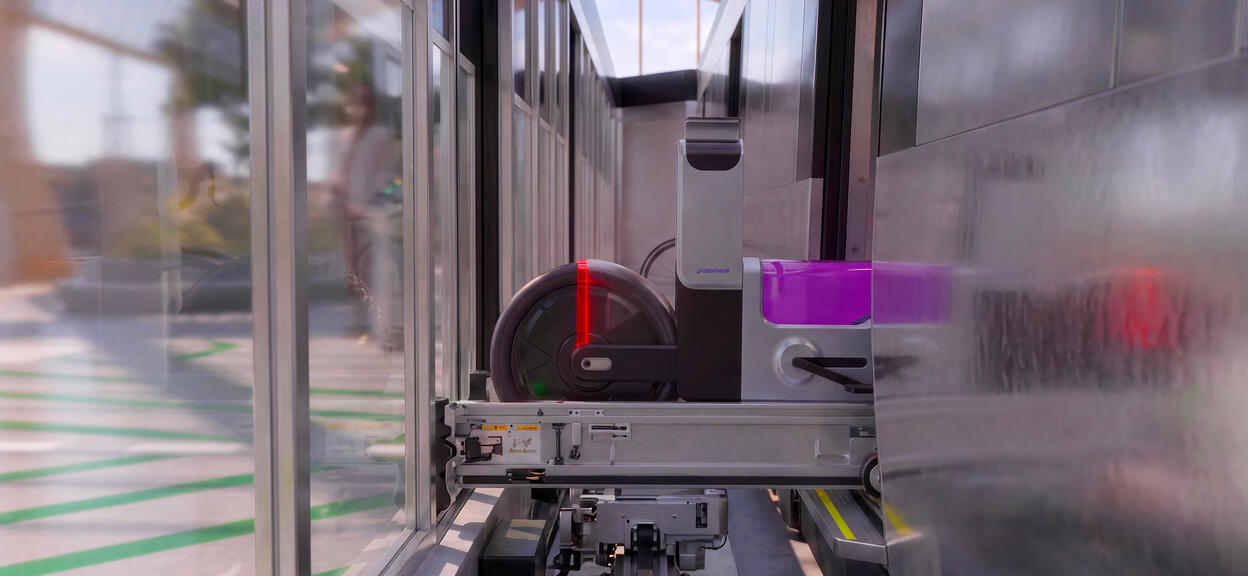
The companies have also developed a proposed digital process for station access. Passengers would book space for their bicycle or scooter through a mobile application before travelling. On arrival at the station, they would be directed to a designated identification terminal before boarding.
In addition, the concept includes a redesigned ‘Soft Mobility’ area within the train. Bicycles and scooters would be stored in a dedicated compartment rather than occupying passenger aisles or requiring passengers to monitor their equipment throughout the journey.
Alexis Bonnet, Design Director at Alstom said:The role of design is to simplify people’s lives. With Decathlon, we have sought to remove the obstacles that still complicate travelling with a bike or a scooter. Beyond the product itself, we share the same conviction: mobility is no longer thought of in terms of individual modes, but as a continuous experience. The aim is simple: to enable everyone to switch from one mode of transport to another as easily as possible, because the green transition will only succeed if it is also synonymous with freedom and the pleasure of getting around.
The project also reflects a different approach to designing intermodal journeys, with the two companies considering the journey from the street to the train rather than treating the individual transport modes separately.
The initiative is intended to demonstrate how design and technology can improve connections between existing transport modes, rather than focusing solely on developing new vehicles or infrastructure.
Cédric Mollet, Head of B’twin at Decathlon, said:Within the Decathlon teams at B’twin, ‘Living by bike’ is not only our dream but also our commitment. With this in mind, we are delighted to be working with Alstom to explore how we can bring two modes of transport that complement each other naturally – cycling and rail – even closer together.
The concept was presented as part of Alstom and Decathlon’s programme at InnoTrans 2026, which is taking place in Berlin from 22–25 September.