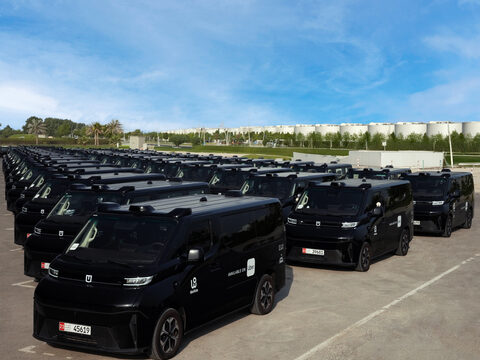
Uber Technologies has launched Uber Autonomous Solutions, a new platform intended to support the deployment and commercialisation of autonomous vehicles and delivery services across multiple markets.
The offering combines tools, infrastructure and operational support aimed at helping partners develop and run driverless fleets at scale. The initiative builds on Uber’s existing ride-hailing network and seeks to extend its operational capabilities to third-party autonomous technology developers.

Dara Khosrowshahi, Uber CEO said:Autonomous technology has remarkable potential to make transportation safer and more affordable. Innovation in autonomy is moving quickly, but meaningful commercialisation will take much longer. For more than a decade, Uber has helped set the standard for on-demand mobility and built the capabilities that make ‘push a button and get a ride’ work at global scale. With Uber Autonomous Solutions, we’re externalising these hard-won competencies for our partners.
Uber Autonomous Solutions is structured around infrastructure, user experience and fleet operations.
Infrastructure tools include mapping data, regulatory support and financing options designed to help partners deploy vehicles in new markets. The company also highlighted training data gathered from specially equipped vehicles operating across cities in the United States and Europe, alongside partnerships such as its data initiative with NVIDIA.
Uber’s mapping systems, built from billions of completed trips, can assist with routing, pickup optimisation and risk management in changing traffic or weather conditions. The firm also pointed to existing relationships with airports, stadiums and event venues to help integrate autonomous vehicles into complex transport environments.
User experience features focus on the passenger journey. Uber is developing an in-car interface allowing riders to control trip settings and access assistance. The first deployment is expected later this year in a robotaxi project involving Nuro and other partners. The company is also working with manufacturers to develop shared and pre-booked autonomous ride products.
Fleet operations tools include monitoring software, remote assistance capabilities and field support services to address issues such as lost items, cleaning or vehicle recovery. The platform also incorporates insurance products tailored to autonomous operations.
Uber’s new platform aims to bridge the gap between technical progress in autonomy and large-scale services used by everyday passengers. The company expects partners to use the system to expand robotaxi and autonomous delivery operations in cities across North America, the Middle East and other regions.
Sarfraz Maredia, Global Head of Autonomous Mobility and Delivery said:AV tech teams should be able to focus on what they do best: building software that can safely power an autonomous world. Uber Autonomous Solutions is designed to complement their strengths by providing operational depth wherever they need it–whether that’s demand generation, rider experience, customer support, or managing the day-to-day realities of running a real-world fleet. When partners plug into Uber’s network, they can scale more efficiently, operate more reliably, and move faster.