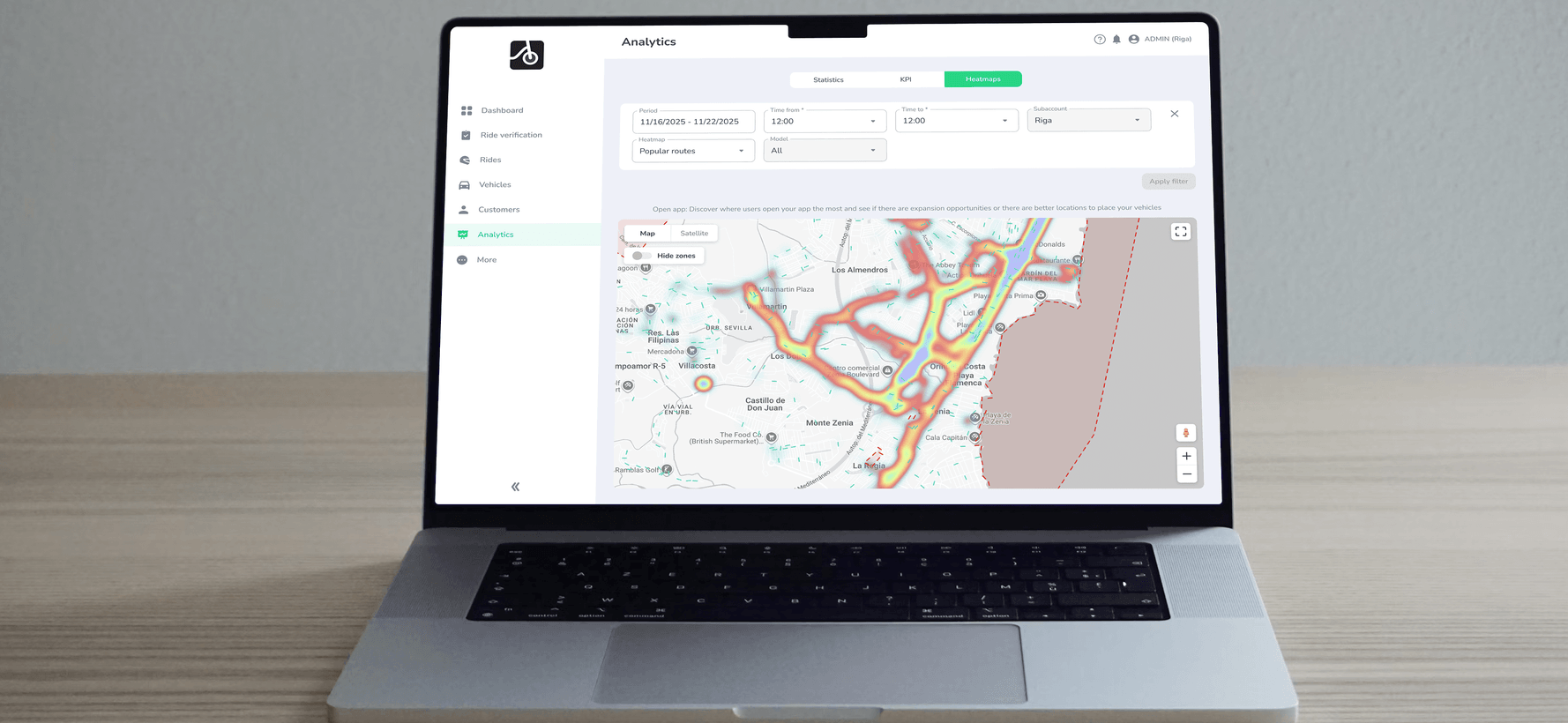
Fleet operators don’t lose revenue because of lack of demand – they lose it because demand appears in the wrong place at the wrong time. That’s exactly the problem the Unmet demand heatmap solves.
This new analytics layer from ATOM Mobility shows where users actively searched for vehicles but couldn’t find any within reach. Not guesses. Not assumptions. Real, proven demand currently left on the table.
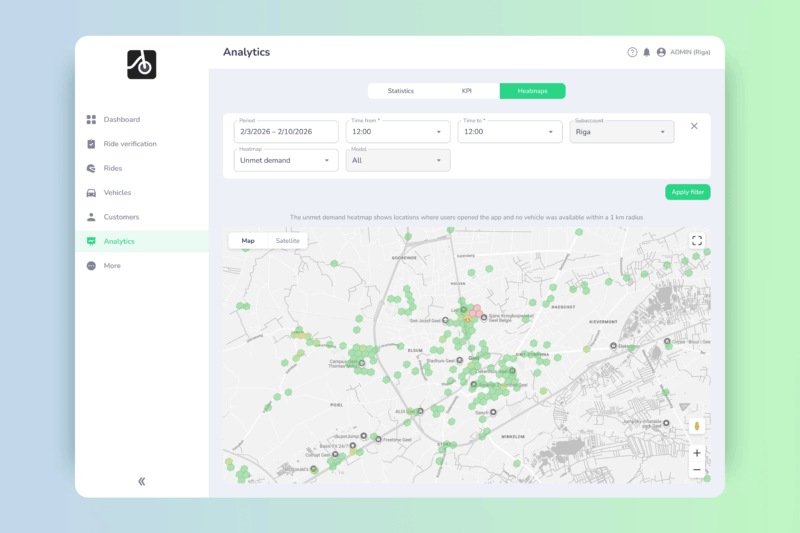
What is the unmet demand heatmap?
The unmet demand heatmap highlights locations where:
- A user opened the app
- Actively searched for available vehicles
- No vehicle was found within the defined search radius
In other words: high-intent users who wanted to ride, but couldn’t. Unlike generic “app open” data, unmet demand is recorded only when a real vehicle search happens, making this one of the most actionable datasets for operators.
Why unmet demand is more valuable than app opens
Many analytics tools track where users open the app (ATOM Mobility provides this data too). That’s useful – but incomplete. Unmet demand answers a much stronger question:
Where did users try to ride and failed? That difference matters.
Unmet demand data is:
✅ Intent-driven (search-based, not passive)
✅ Directly tied to lost revenue
✅ Immediately actionable for rebalancing and expansion
✅ Credible for discussions with cities and partners
How it works
Here’s how the logic is implemented under the hood:
1. Search-based trigger. Unmet demand is recorded only when a user performs a vehicle search. No search = no data point.
2. Distance threshold. If no vehicle is available within 1,000 meters, unmet demand is logged.
- The radius can be customized per operator
- Adaptable for dense cities vs. suburban or rural areas
3. Shared + private fleet support. The feature tracks unmet demand for:
- Shared fleets
- Private / restricted fleets (e.g. corporate, residential, campus)
This gives operators a full picture across all use cases.
4. GPS validation. Data is collected only when:
- GPS is enabled
- Location data is successfully received
This ensures accuracy and avoids noise.
Smart data optimization (no inflated demand)
To prevent multiple searches from the same user artificially inflating demand, the system applies intelligent filtering:
– After a location is stored, a 30-minute cooldown is activated
– If the same user searches again within 30 minutes And within 100 meters of the previous location → the record is skipped
– After 30 minutes, a new record is stored – even if the location is unchanged
Result: clean, realistic demand signals, not spammy heatmaps.
Why this matters for operators
📈 Increase revenue
Unmet demand shows exactly where vehicles are missing allowing you to:
- Rebalance fleets faster
- Expand into proven demand zones
- Reduce failed searches and lost rides
🚚 Smarter rebalancing
Instead of guessing where to move vehicles, teams can prioritize:
- High-intent demand hotspots
- Time-based demand patterns
- Areas with repeated unmet searches
🏙 Stronger city conversations
Unmet demand heatmaps are powerful evidence for:
- Permit negotiations
- Zone expansions
- Infrastructure requests
- Data-backed urban planning discussions
📊 Higher conversion rates
Placing vehicles where users actually search improves:
- Search → ride conversion
- User satisfaction
- Retention over time
Built for real operational use
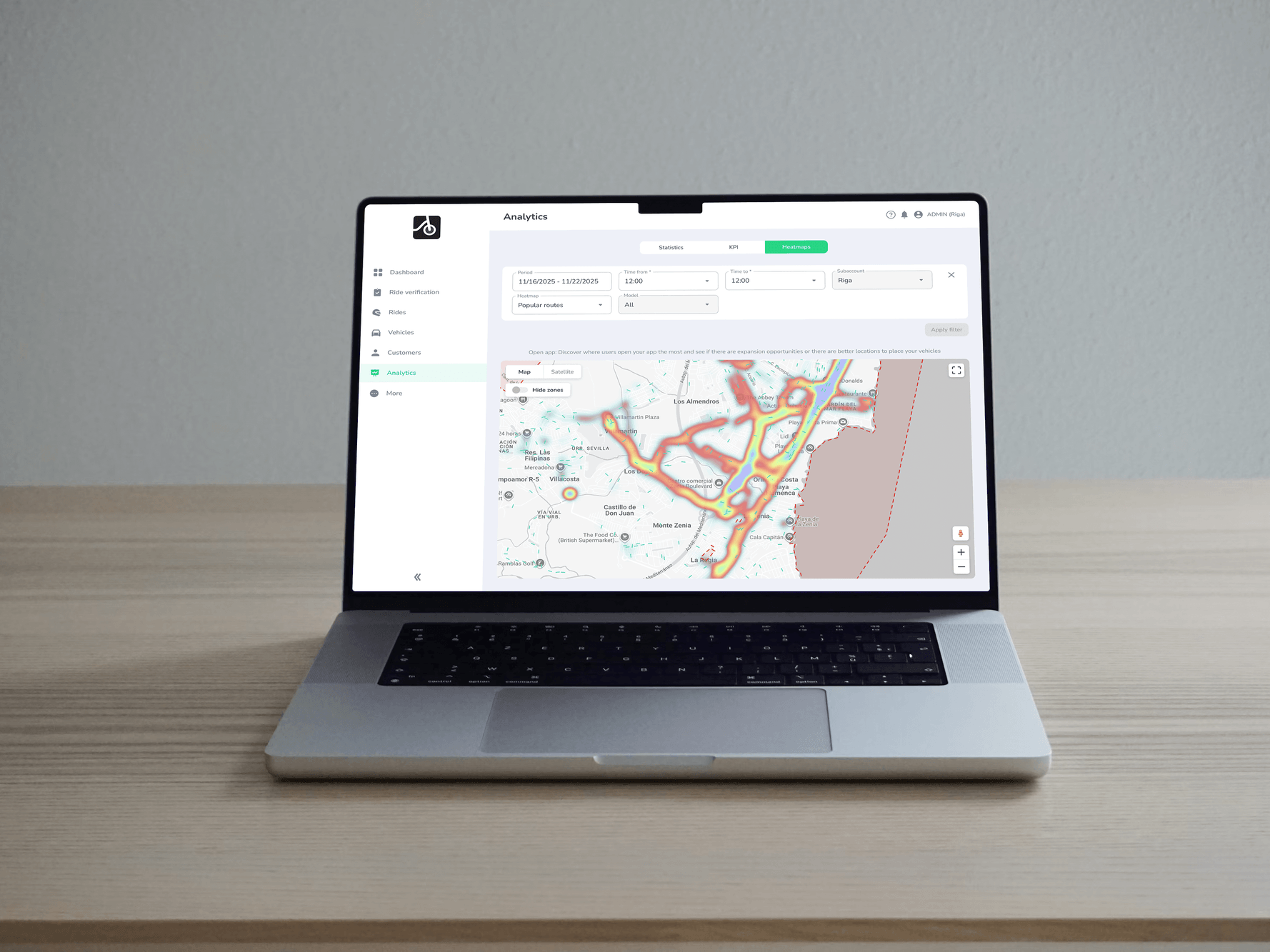
The new unmet demand heatmap is designed to work alongside other analytics layers, including:
– Popular routes heatmap
– Open app heatmap
– Start & end locations heatmap
Operators can also:
- Toggle zone visibility across heatmaps
- Adjust time periods (performance-optimized)
- Combine insights for strategic fleet planning
From missed demand to competitive advantage
Every unmet search is a signal. Every signal is a potential ride. Every ride is revenue. With the unmet demand heatmap, operators stop guessing and start placing vehicles exactly where demand already exists.
👉 If you want to see how unmet demand can unlock growth for your fleet, book a demo with ATOM Mobility and explore how advanced heatmaps turn data into decisions.
This article was originally published by ATOM Mobility.