Transport for London (TfL) has published its draft Business Plan, setting out proposed investment and service priorities for the capital’s transport network through to 2029/30.
The plan describes how TfL intends to support public transport, walking and cycling, while enabling new housing and employment growth across London.
The document builds on changes delivered over the past decade, including the opening of the Elizabeth line, the introduction of the Night Tube, expansion of orbital bus services through the Superloop network, growth in the cycleway network and the continued electrification of the bus fleet.
The plan focuses on maintaining and renewing existing assets while progressing a number of major projects. These include extending the Docklands Light Railway (DLR) to Beckton Riverside and Thamesmead, advancing work on a new Bakerloo line train fleet, introducing new trains on the Piccadilly line and DLR, adding capacity on the Elizabeth line, refurbishing the Central line fleet and replacing London’s ageing tram vehicles.
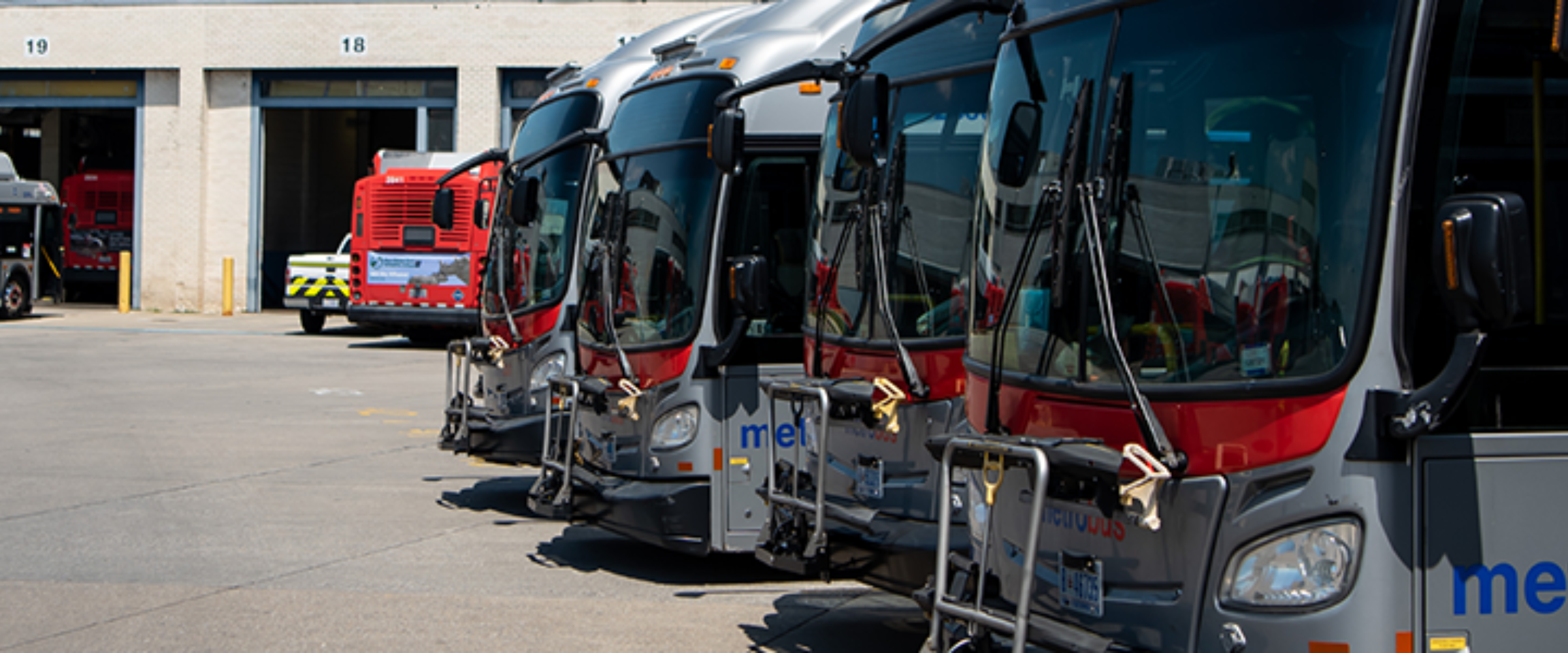
The plan also proposes changes to London’s bus network. TfL intends to expand Superloop routes in outer London, introduce additional bus priority measures, and invest in new bus shelters and improved real-time passenger information. Services in outer London would be increased in areas of rising demand, while some central and inner London routes would be adjusted to reflect changing travel patterns. Electrification of the bus fleet would continue, with around two-thirds expected to be zero-emission by the end of the plan period.
TfL says it will also develop proposals for a new publicly owned bus company, aimed at supporting operational efficiency, accountability and innovation, while addressing passenger and workforce needs.
Accessibility remains a key theme in the plan. TfL expects to complete step-free access at Northolt and Leyton stations and continue work at other locations, including Elephant & Castle and, subject to funding, South Kensington. These schemes support the Mayor of London’s aim for half of all Underground stations to be step free.
Mayor of London, Sadiq Khan, said:I'm hugely proud of what we have achieved improving transport across London over the last 10 years - but we must never be complacent, so this plan sets out sustained investment to continue making it safer, greener and fairer for everyone.
I'm pushing forward with my proposals to transform Oxford Street into a pedestrian-friendly, world-class retail & leisure destination, as well as supporting the delivery of new affordable housing and jobs with the DLR extension to Beckton Riverside and Thamesmead, following Government backing in the Autumn Budget. We're also continuing our work to modernise the Tube, cut congestion and bus journey times, improve safety and accessibility across the transport network, invest in high-quality walking and cycling infrastructure and eliminate death and serious injury from London's roads.
We know that investing in our transport network not only supports jobs and economic growth in London but also benefits the whole UK, which is why I'll continue to make the positive case for longer-term projects that could transform the future of transport in the capital as we continue building a better London for all.
On roads and streets, the draft plan outlines a programme intended to reduce congestion and improve reliability. This includes upgrades to traffic signals and management systems, expansion of the Lane Rental scheme subject to government support, and investment in safety and sustainable drainage measures. TfL also plans continued funding for borough-led schemes to improve road safety, expand cycle routes and maintain bridges and highways.
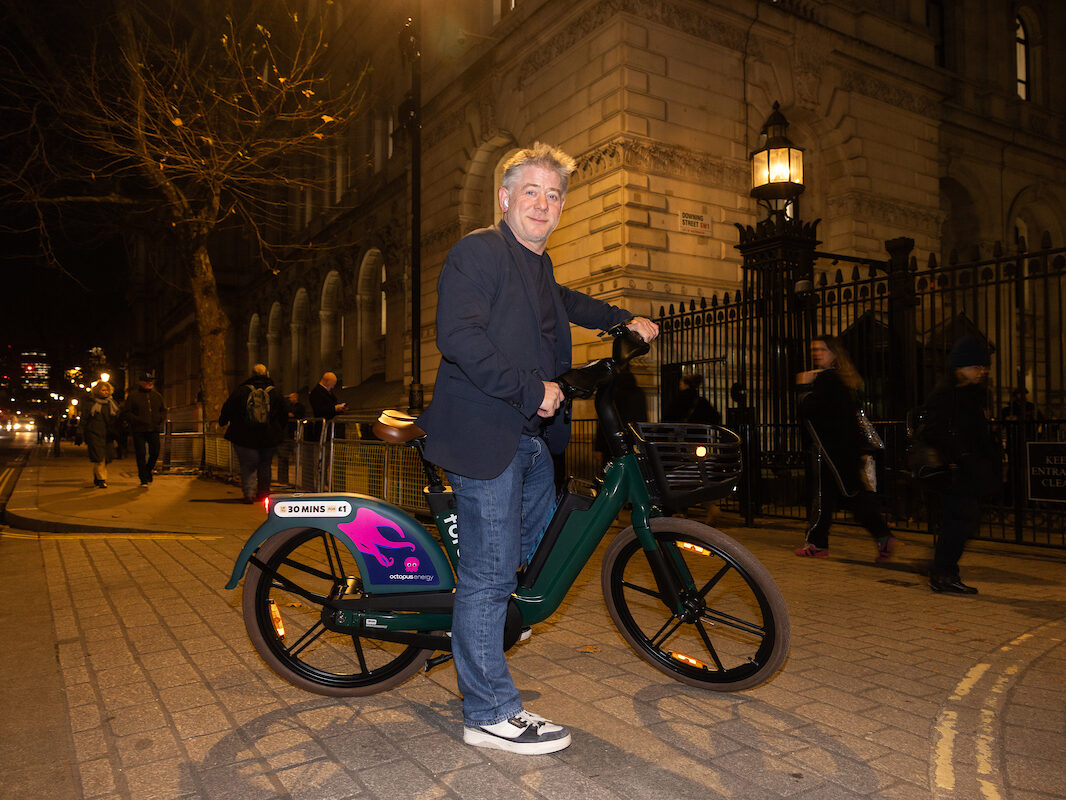
Cycling and walking investment would continue throughout the plan period, building on more than 430 kilometres of cycle routes already delivered. TfL also plans further improvements to Santander Cycles and to explore the role of dockless e-bikes, alongside ongoing work on safer junctions and streets.
Safety is described as a central priority, with TfL committing to publish an updated Vision Zero Action Plan and continue efforts to reduce deaths and serious injuries on the transport network. Investment is also planned to modernise CCTV and safety camera systems and improve digital reporting tools for passengers.
The plan also considers fare innovation, including potential loyalty or reward schemes, with the aim of improving value for customers and supporting ridership growth.
The draft Business Plan will be considered by the TfL Board on 4 February 2026.