Transport for London (TfL) has launched a new strategy, ‘London on the move,’ which sets out a five-year plan to improve the capital’s road network and transport infrastructure.
The plan marks the first network-wide approach covering all of London’s streets, with measures aimed at improving journey times, safety, and sustainable travel across the city.
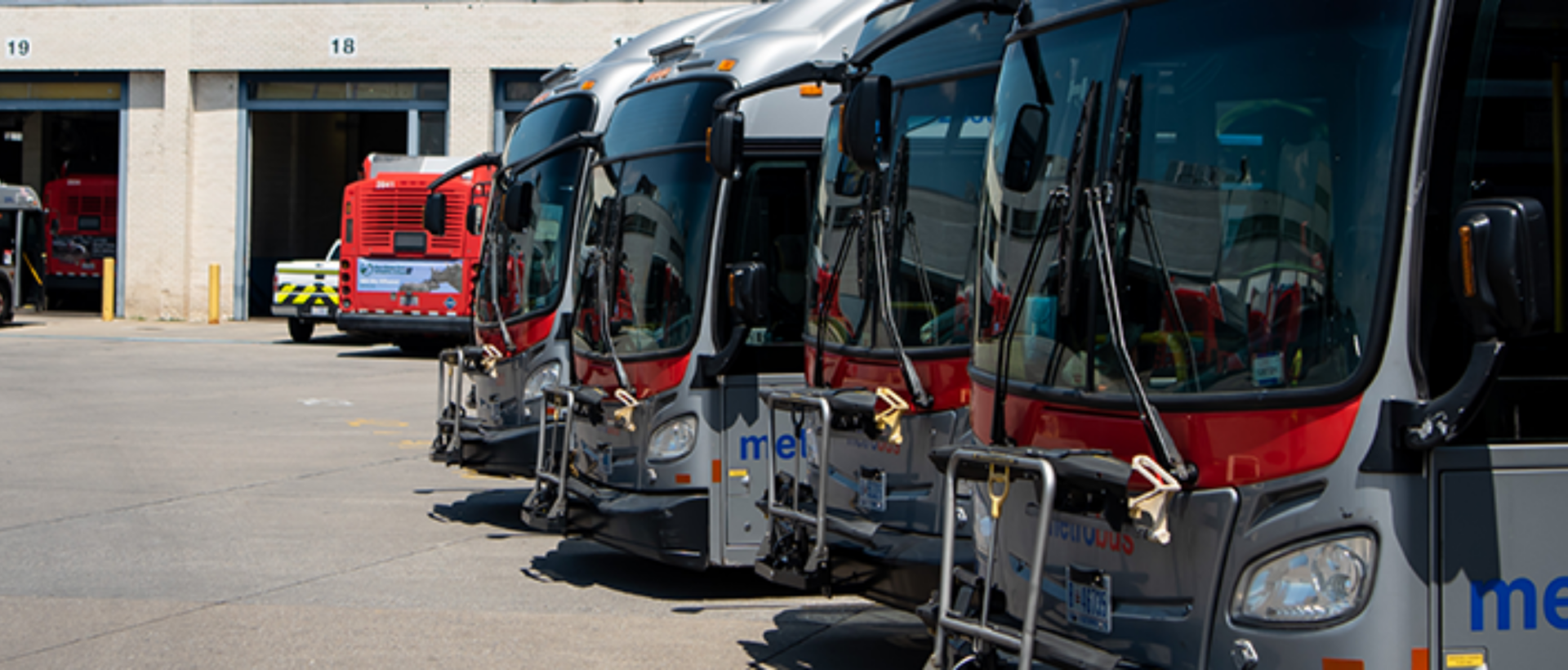
A central element of the strategy is enhancing the bus network. TfL will expand bus priority measures to all 3,500 traffic signals along bus routes by 2030, with the goal of improving journey reliability for millions of passengers.
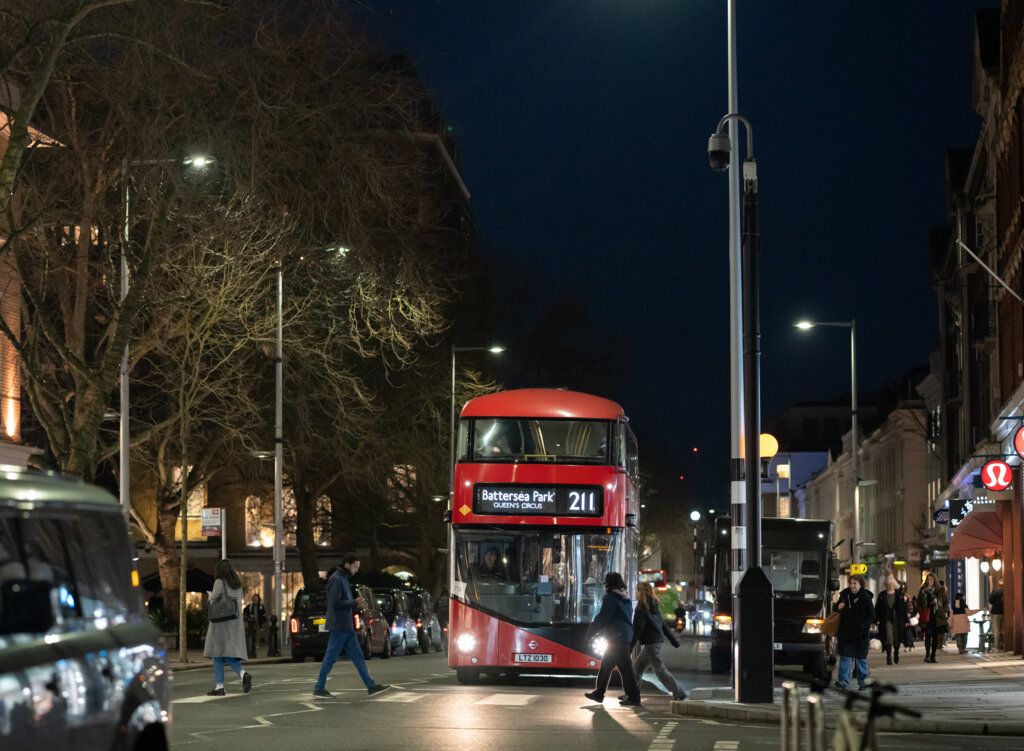
TfL is also expanding the BusSense initiative in partnership with London boroughs. The programme coordinates roadworks to reduce disruption to bus services. Early trials have shown a 3.5 percent improvement in journey times where BusSense has been implemented, and the plan aims to extend the scheme to all boroughs by autumn 2026.
The Mayor of London, Sadiq Khan, said:I'm committed to making London's transport network as safe, efficient, and sustainable as possible. Congestion is annoying for everyone, and it costs our economy millions of pounds a year. This innovative new strategy will tackle the causes of congestion head on.
This bold new approach to managing the capital's streets will ensure they work for everyone: harnessing cutting-edge technology and infrastructure to reduce congestion, keep Londoners safe, and speed up journey times on London's bus network.
These improvements are vital to achieving my ambition for 80 per cent of journeys to be made by walking, cycling or public transport, as we continue building a greener and better London for everyone.
Leveraging new technologies, TfL is expanding its use of Vivacity cameras, which can distinguish between different types of road users, including buses, cyclists, and pedestrians. Data from these cameras will help improve signal timings and bus priority along key routes. TfL will also continue upgrading its FUSION traffic control system, which manages signals across the capital and aims to reduce congestion for all vehicles, including buses.
Alongside bus-focused measures, the plan includes an expansion of TfL’s lane rental scheme. The programme charges utility companies to carry out works on busy roads during peak times, helping to reduce delays and maintain smoother traffic flows. Four boroughs—Camden, Enfield, Lambeth, and Merton—have already received approval to implement schemes, with a further 22 boroughs progressing applications.
Carl Eddleston, TfL's Director of Streets and Network Operations, said:We're determined to ensure London's road network is amongst the best in the world and the new London on the move plan marks a major step forward in how we manage London's streets. By harnessing data, technology and the benefits of new infrastructure, our 2030 vision will see a better, safer street network that is better suited to the needs of Londoners today and tomorrow. We'll continue to work with London's boroughs and our other partners as we work to deliver this plan over the next five years.