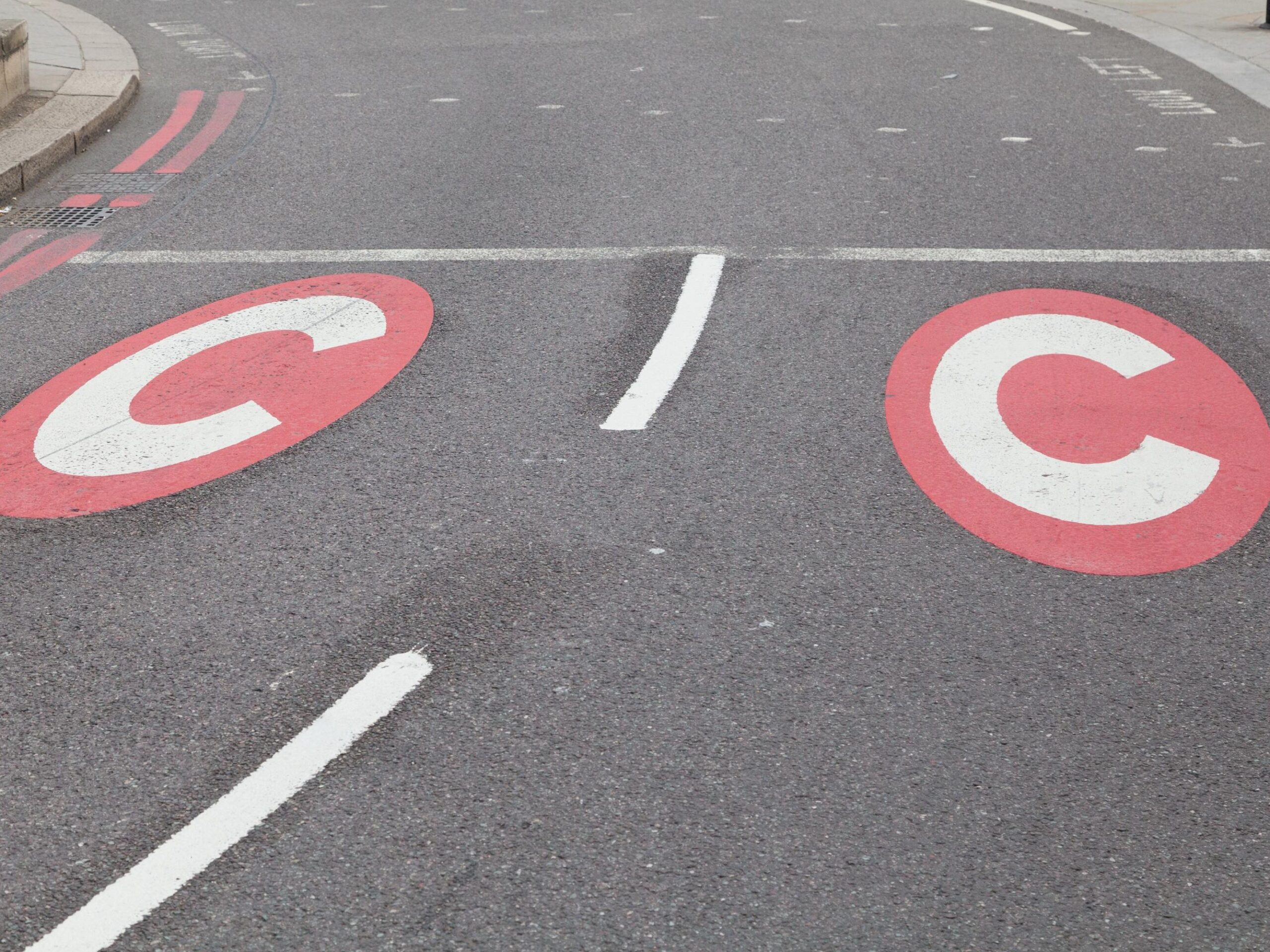
The Mayor of London and Transport for London (TfL) have confirmed a set of new measures to ensure the progression of the capital’s Congestion Charging scheme, whilst also supporting local businesses and residents.
The Congestion Charge was first introduced in 2003, with the Cleaner Vehicle Discount (CVD) then being implemented in 2019 – the latter of which has now been extended beyond its 25 December 2025 end date in order to further incentivise the switch to electric vehicles (EVs).
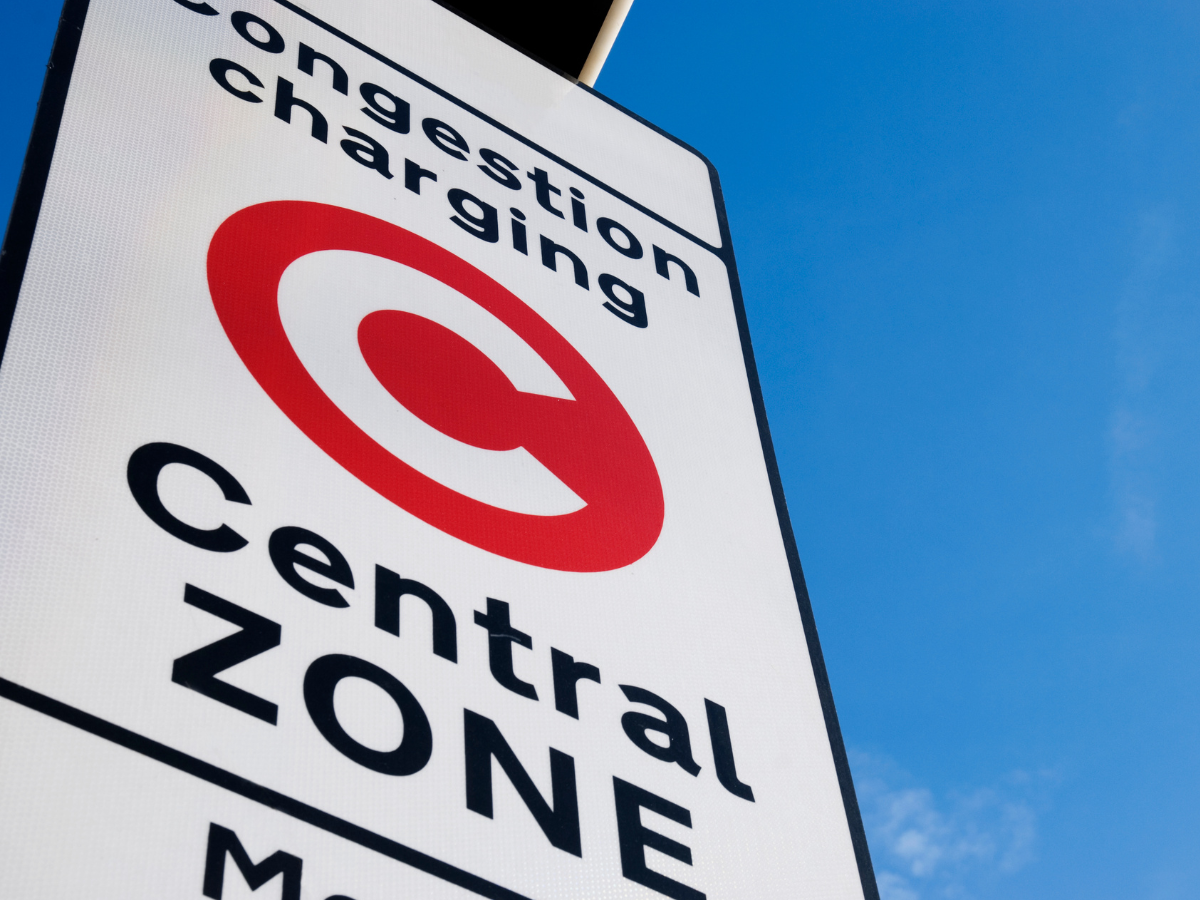
A newly introduced system will now see the following changes made:
- An increase of the daily Congestion Charge from 15 GBP to 18 GBP – effective 02 January 2026
- A 50% first-phase discount for electric vans, HGVs and quadricycles registered for Auto Pay, as well as a 25% discount for electric cars registered for Auto Pay (including Private Hire Vehicles) – effective 02 January 2026
- A 25% second-phase discount for electric vans, HGVs and quadricycles registered for Auto Pay, as well as a 12.5% discount for electric cars registered for Auto Pay (including Private Hire Vehicles) – effective 04 March 2030
The combination of changes is hoped to enable a ‘careful balance’ between the continuation of support of the transition to EVs and ensure that the Congestion Charge remains an effective traffic management measure within central London.
Since the CVD’s introduction in 2019; the number of registered EVs has risen by almost six times its initial number – from roughly 20,000 to over 116,000 earlier this year.
It has been estimated that without the aforementioned changes, an additional 2,000 vehicles could begin driving during operating hours on any average weekday, which TfL states would ‘undermine the benefits of the Congestion Charge’.
Sadiq Khan, Mayor of London, said:Keeping London moving by reducing congestion is vital for our city and for our economy. While the congestion charge has been a huge success since its introduction, we must ensure it stays fit for purpose, and sticking to the status quo would see around 2,200 more vehicles using the congestion charging zone on an average weekday next year.
We must support Londoners and businesses to use more sustainable travel, so I'm pleased that substantial incentives will remain in place for Londoners who switch to cleaner vehicles, as we work to build a greener and better London for everyone.
As well as the new tiered system, a Residents’ Discount will change to incentivise longer term take-up of EVs, with anyone currently living within the area set to remain unaffected. Those in receipt of the Residents’ Discount before 01 March 2027 will retain a 90% discount, regardless of vehicle fuel type, with those applying after this date only receiving this rate if purchasing an EV.
TfL has also stated that there will be further support for low-income and disabled residents receiving certain benefits to ensure they can apply for the Residents’ Discount until March 2030 without the need for an electric vehicle.
Additionally, there will be a new 100% for ‘back to base’ electric car club vehicles, which consist of car club EVs that are hired from and returned to the same marked parking spaces within the zone.
Christina Calderato, TfL's Director of Strategy, said:If we want to ensure that London remains a thriving city for everyone to enjoy, then it's vital that traffic and congestion is kept under control and managed effectively.
The changes to the Congestion Charging scheme play a key role in allowing us to do that, while striking a careful balance that enables drivers, businesses and other organisations to continue transitioning to cleaner vehicles and more sustainable forms of transport.
Finally, changes to the Mayor’s road user charging guidance are also being carried forward which would allow for the Congestion Charge to see increases in line with Tube fares without consultation.
The procedure is hoped to ensure consistency with the approach that applies when public passenger transport fares are set, ensuring that those opting to not use a personal vehicle do not pay more than those driving in the city.