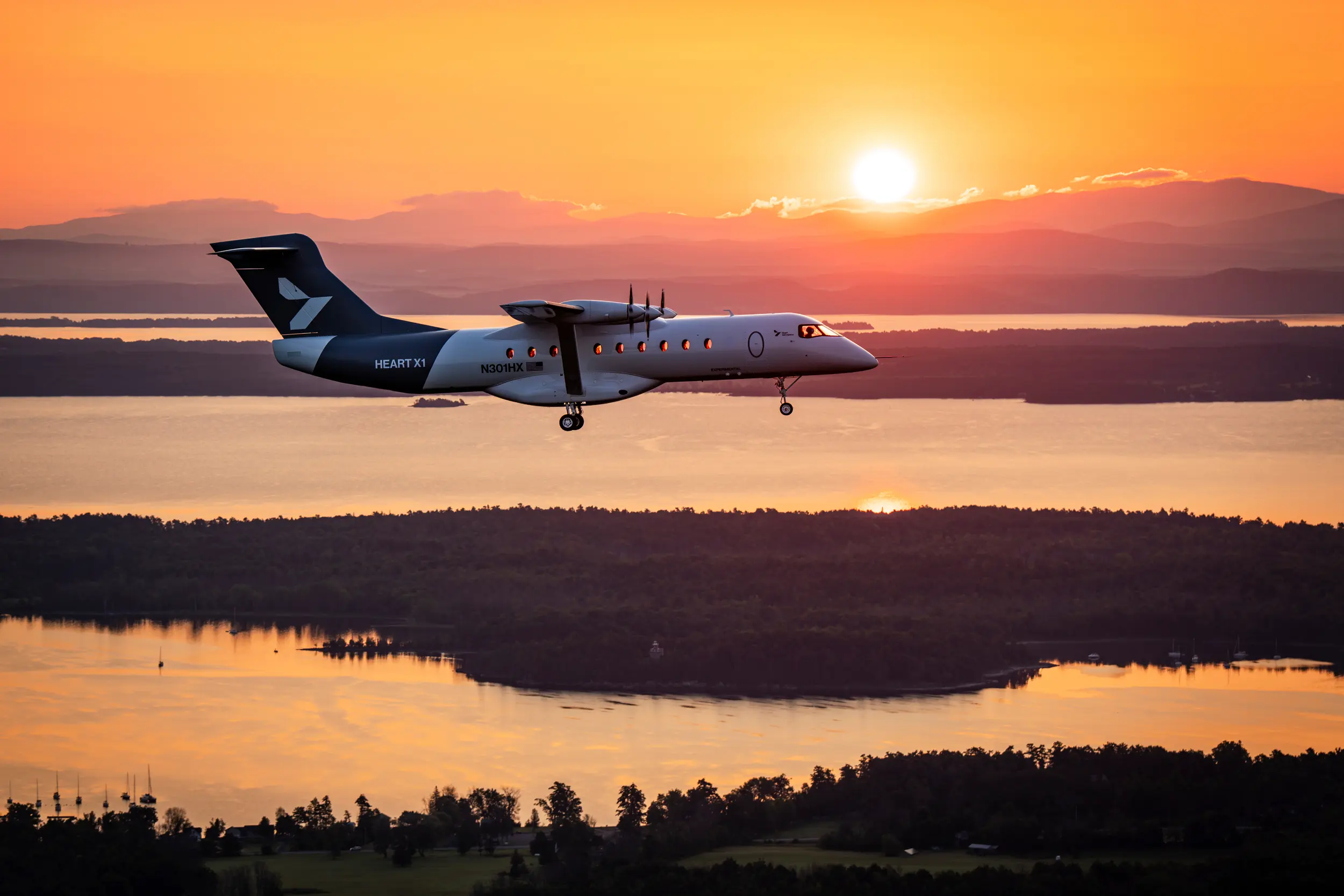
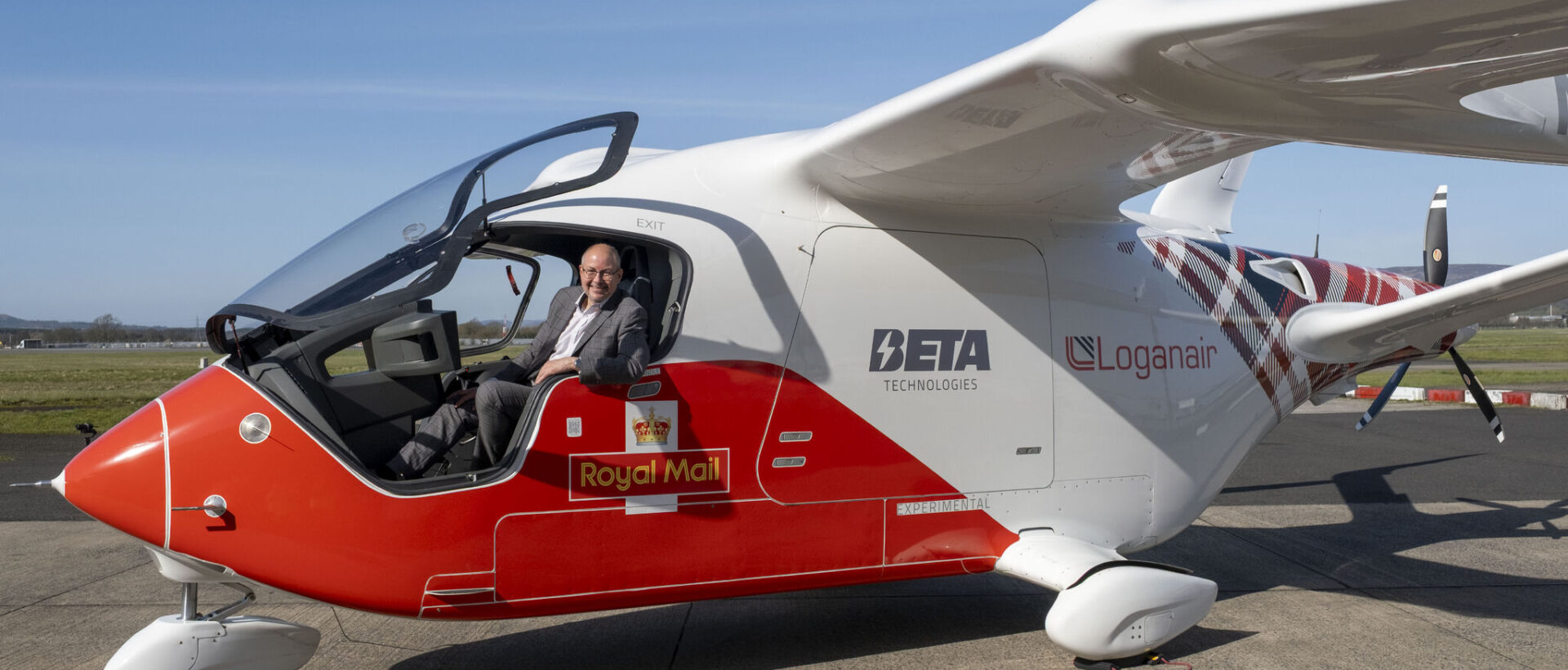
Loganair, Royal Mail and BETA Technologies have completed the first electric flight demonstration across Scotland.
The programme, which ran over ten days, tested the operational capabilities of BETA’s ALIA CTOL electric aircraft on regional routes connecting Glasgow, Dundee, Aberdeen, Inverness, Wick, and Kirkwall.
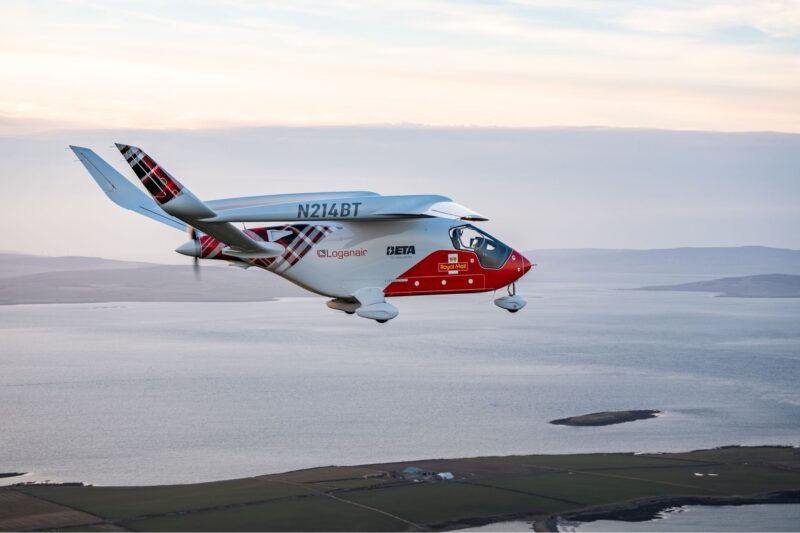
The trials involved 23 flights, including 18 Scottish legs, covering a total of 1,006 nautical miles in just over 11 hours. Flights mirrored Royal Mail postal routes, averaging 56 miles at speeds of 99 knots and achieving an energy efficiency of 1.37 kWh per nautical mile.
The exercise allowed all partners to evaluate aircraft performance, ground handling, charging operations, and integration into current airspace and airport systems.
Kyle Clark, founder and CEO of BETA Technologies, said:These flights prove that electric aviation can support the essential services communities depend on every day. ALIA is designed for exactly these missions, connecting people and moving goods with lower operating costs and zero emissions. The collaboration between Loganair, Royal Mail, UK CAA, AGS Airports, and HIAL was essential to this program's success, and these results represent a meaningful step toward commercial operations in Scotland and beyond.
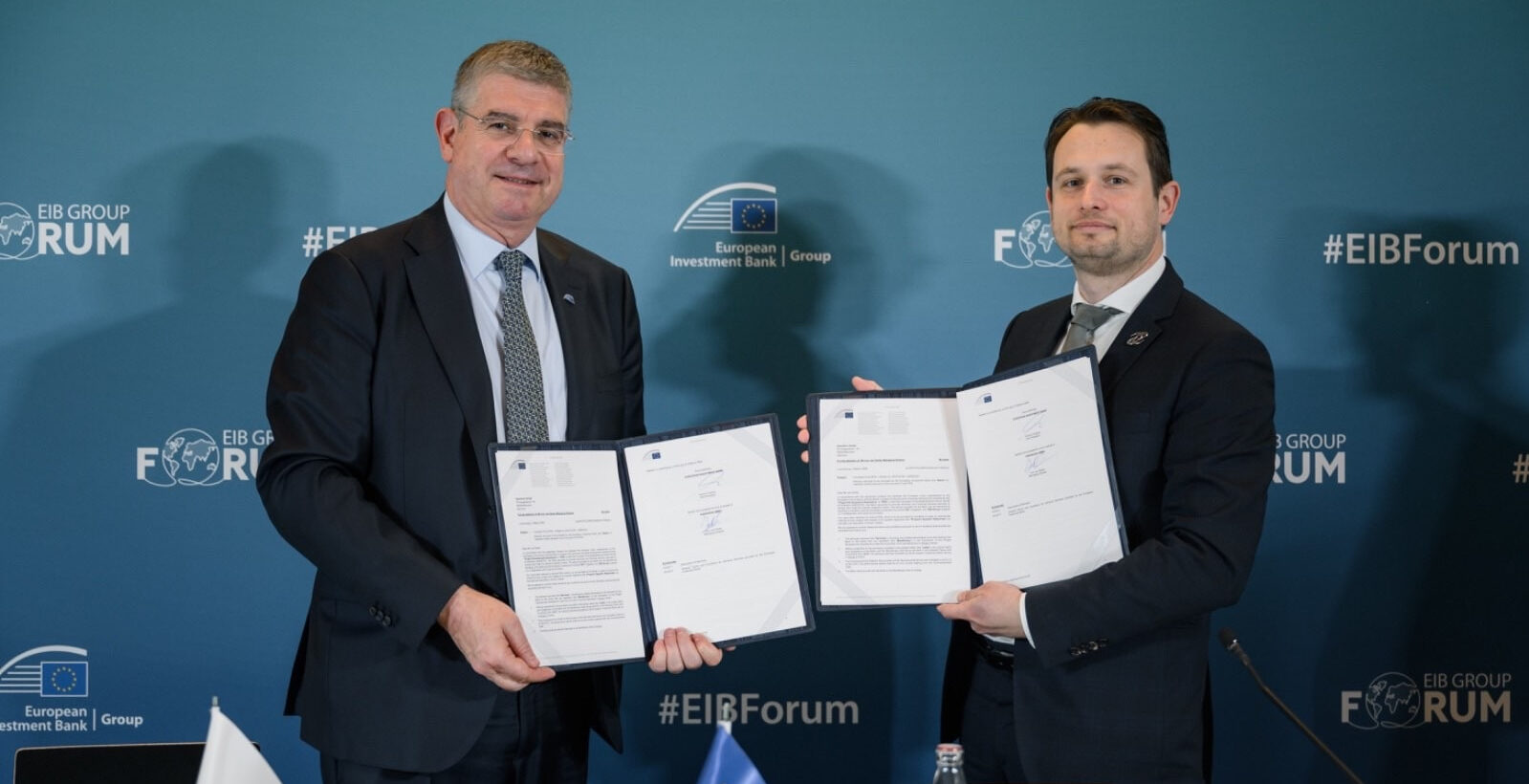
Following the demonstration, Loganair and BETA Technologies have signed a Memorandum of Understanding (MoU) to extend testing and explore the operational deployment of electric aircraft across Loganair’s network. The MoU sets out plans to continue gathering data on aircraft performance, charging infrastructure, and route feasibility, with a focus on integrating electric aviation into routine commercial and essential services.
Scotland’s geography, characterised by over 90 inhabited islands and extensive Highlands, presents a challenging environment for connectivity, where short-haul flights are often the most practical solution. Existing airport infrastructure is being adapted through minor upgrades, including BETA’s mobile mini-cube charging units, to support future electric operations.
Royal Mail, which delivers to every address in the UK, sees electric aircraft as a potential component of its strategy to reduce carbon emissions on remote routes. The company plans to work with Loganair and BETA to explore how electric flights could gradually supplement its existing logistics network.
Luke Farajallah, CEO at Loganair, said:This has been an historic event for UK aviation, and the early results are hugely encouraging for what the future of electric flight may hold. The signing of an MoU allows us to build on the invaluable data collected so far and deepen our understanding of how electric aircraft could operate across our entire network. Our thanks go to BETA Technologies, Royal Mail, AGS Airports, HIAL, and the UK CAA for their collaboration and commitment, helping to shape the foundations of a cleaner, smarter and more connected era for regional aviation in the UK and well beyond.
The next stage of the programme will include extended trials on additional routes, further assessment of aircraft reliability in diverse weather conditions, and closer examination of airport charging and maintenance requirements.
These steps are expected to inform a roadmap for introducing electric aviation into routine operations across the UK’s regional air network.