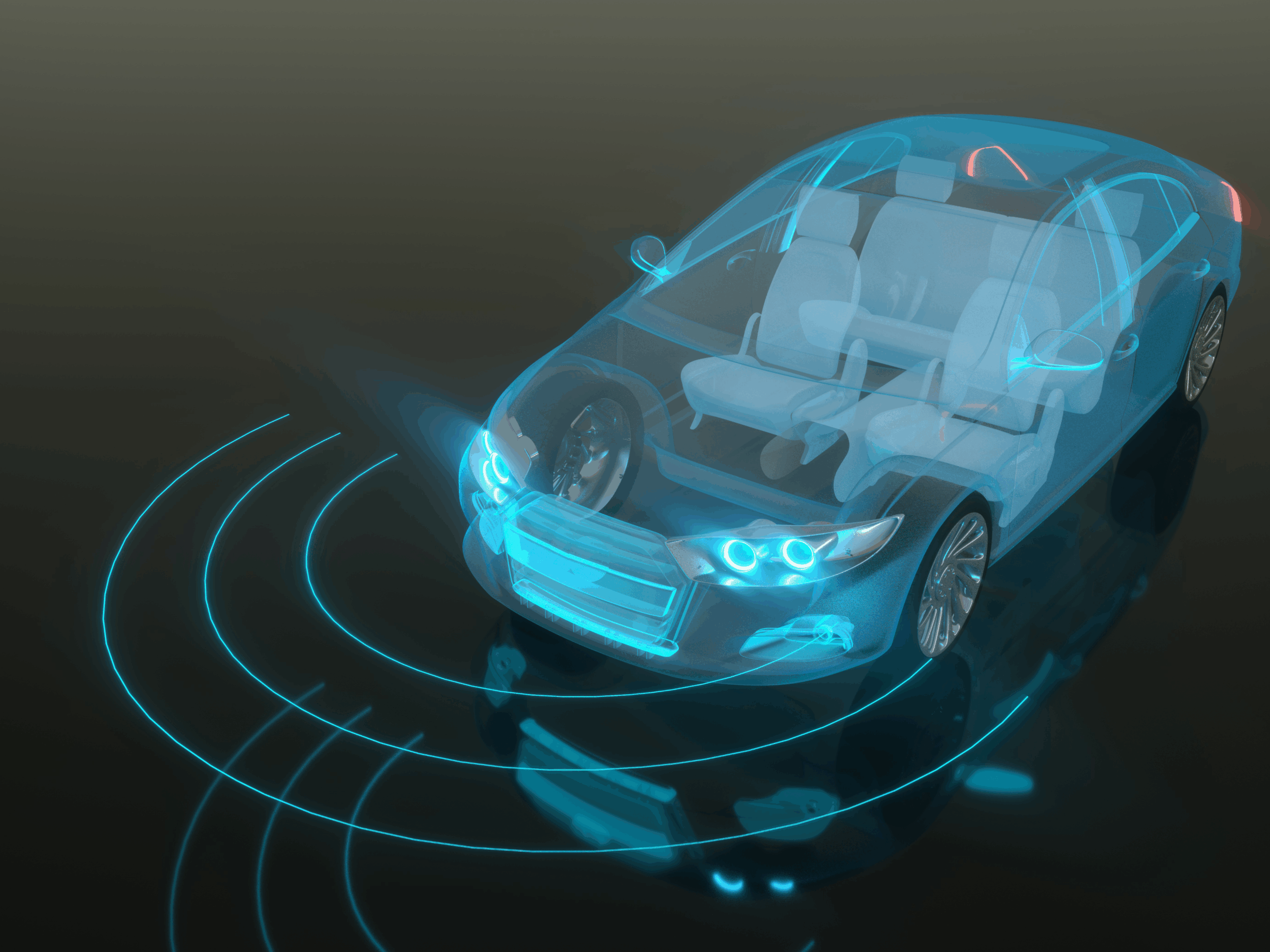
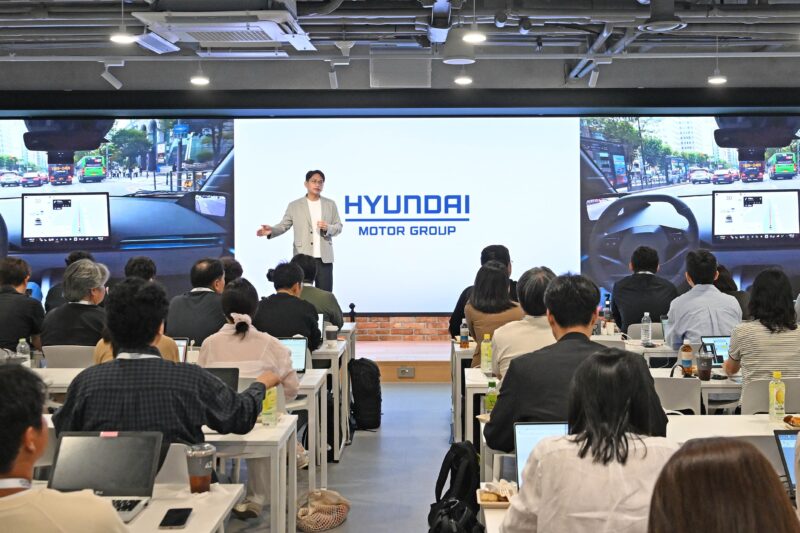
Hyundai Motor Group has outlined its autonomous driving roadmap, including plans to introduce new Level 2+ and Level 2++ systems and expand development of its Atria AI technology.
At its Autonomous Driving Media Day in South Korea, the Group said it has put its Data Flywheel system into operation. The system uses driving data for AI training and validation. Updated models will then be deployed to vehicles to generate further data.
Hyundai Motor Group and Kia sell more than seven million vehicles each year across around 190 countries and regions. The Group currently operates around 40 dedicated data-collection vehicles and is developing a Data Union framework to increase the use of data across Hyundai Motor, Kia, 42dot and Motional.
The Group is pursuing a two-track development strategy. Through its collaboration with NVIDIA, it is targeting production vehicles with Level 2+ autonomous driving capabilities in the first half of 2028 and Level 2++ vehicles in the second half of 2028.
Alongside this, 42dot and Hyundai Motor Group’s Advanced Vehicle Platform Division are developing Atria AI, a proprietary end-to-end autonomous driving system. Atria AI-powered Level 2++ vehicles are targeted for production in the second half of 2029.
Seonggyun JeongGroup Lead of 42dot’s Atria Group said:Good autonomous driving AI ultimately starts with high-quality data. Hyundai Motor Group continuously improves the performance and maturity of Atria AI through an integrated development cycle that spans data collection, model training and real-world vehicle validation.
The Group is also planning a real-world Level 4 autonomous driving pilot in South Korea by the end of 2026, in partnership with the Ministry of Land, Infrastructure and Transport. Data collected during the pilot will be fed into the Data Flywheel for further development and validation.
Separately, 42dot is developing Vision-Language-Action (VLA) technology, which combines visual information with language-based reasoning to support driving decisions. Simulation-based validation is currently underway, with real-vehicle testing planned from late 2026 into early 2027.
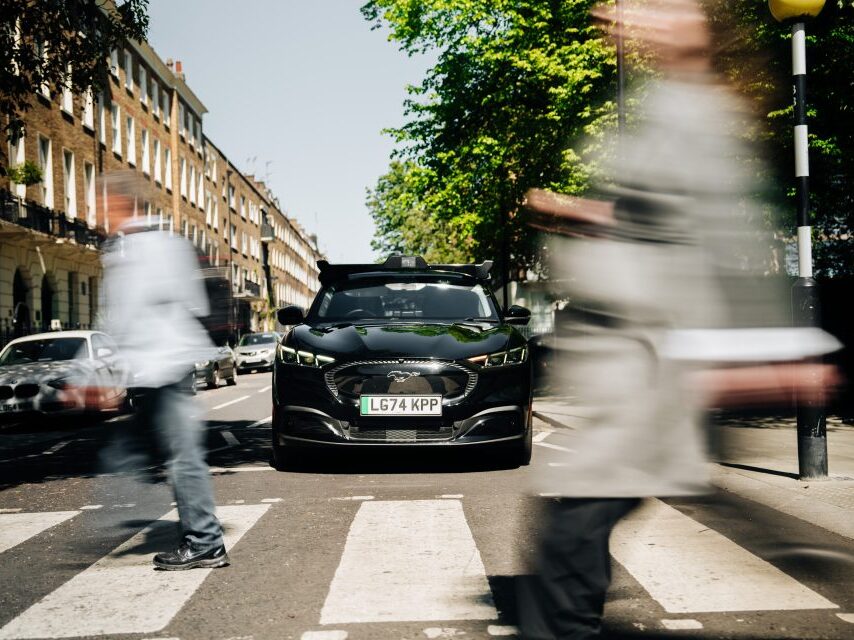
Hyundai Motor Group has also released footage of Atria AI-equipped vehicles operating in Seoul traffic, including rush-hour conditions, rainy weather and scenarios involving parked vehicles, sudden lane changes and pedestrians.