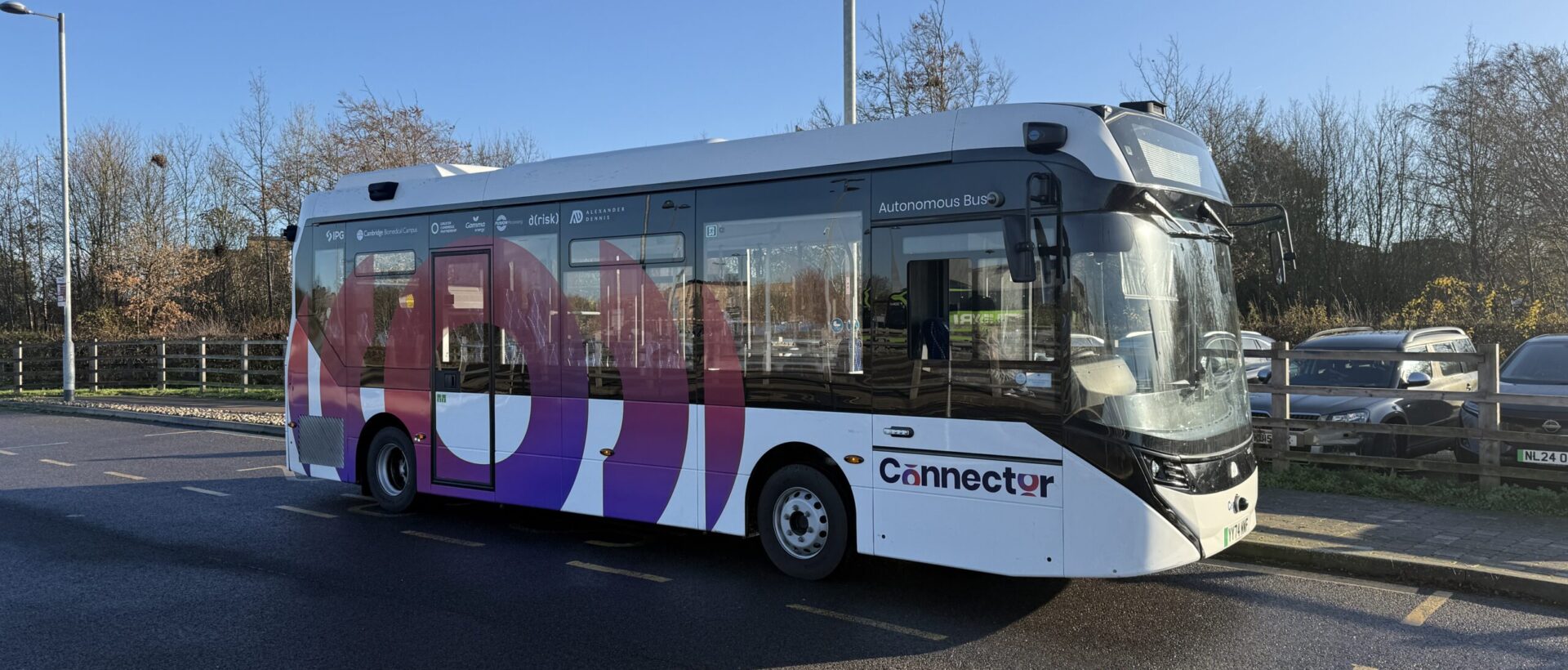
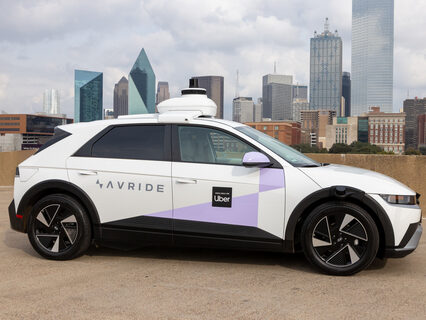
Autonomous bus technology has reached a level of maturity that allows it to operate reliably in daily service. In several parts of the world, particularly in Asia, the Middle East and parts of North America, driverless buses are already running at scale. These deployments are supported by long-term trials, accumulated operational data and regulatory frameworks designed to accommodate automated vehicles.
Busworld Europe 2025 reflected this global progress, but it also highlighted why Europe is following a different trajectory. The event made clear that technology itself is no longer the primary constraint. Level 4 autonomous driving systems, which can operate without human intervention within defined conditions, are available today. Exhibitors such as Karsan and Otokar demonstrated platforms that continue to learn from real-world operation and show increasingly predictable, human-like driving behaviour.
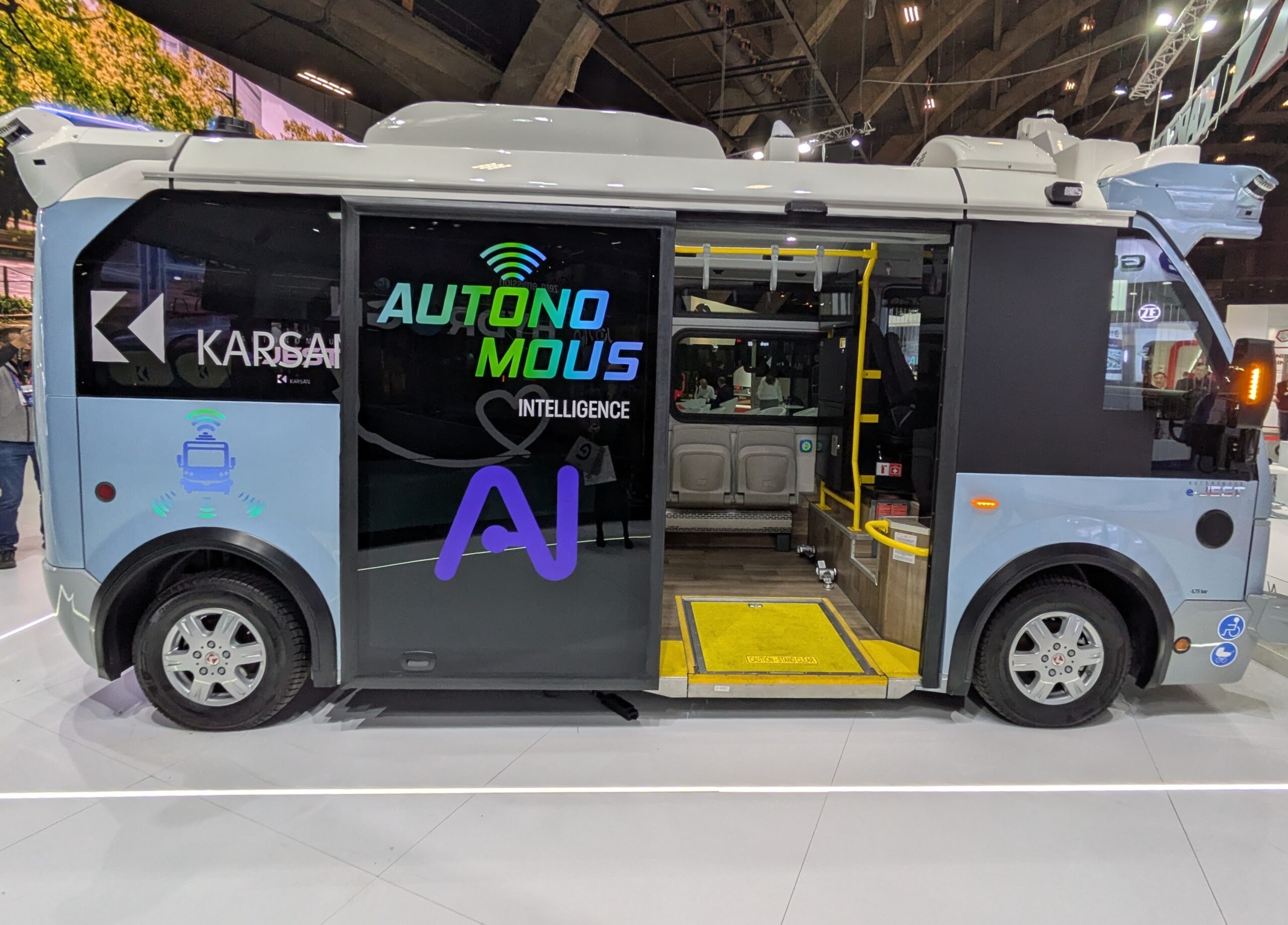
Despite this technical readiness, widespread deployment on European public roads remains limited. Discussions at Busworld focused less on sensors, artificial intelligence or vehicle architecture, and more on regulatory approval, liability allocation and public acceptance. In many European countries, transport regulation has developed around the assumption of a human driver, making the removal of that role a complex legal and social issue rather than a technical one.
Passenger perception also plays a significant role. The absence of a driver in the front seat is a visible change, particularly in public transport, where trust and safety are central to user confidence. Operators and authorities are therefore proceeding cautiously, often favouring gradual introduction over rapid deployment.
As a result, Europe’s earliest practical applications of autonomous buses are emerging in controlled environments. Depot operations featured at Busworld Europe 2025. In these settings, autonomous buses already perform tasks such as parking, charging, cleaning movements and internal logistics without a driver on board. These applications reduce operational costs, improve efficiency and allow operators to gain experience with autonomy without exposing the system to the complexity of open traffic.
This approach reflects a broader strategy seen across the European market: introducing autonomy where regulatory barriers are lower and operational risks are more manageable, while preparing the ground for future on-road services. Several exhibitors presented solutions designed to scale from depot automation to limited-route operation once legislation and public policy allow.
Overall, Busworld Europe 2025 showed that Europe is not lagging in autonomous bus technology, but is advancing through a more cautious and structured pathway. The focus is on aligning technology with regulation, operational needs and passenger expectations. As these elements come together, autonomous buses are expected to move gradually from closed environments into wider public service.
The video linked below illustrates how far autonomous bus systems have already progressed globally and how European operators and manufacturers are positioning themselves for the next phase of deployment.