Artificial intelligence is no longer just a trend in mobility. For modern vehicle sharing and rental services, AI is already solving real operational problems and unlocking new ways to grow. At ATOM Mobility, several AI-powered features have already been implemented into live products and tested by operators across Europe.
This article shares three real-world AI use cases that are already helping operators reduce manual work, improve asset control, and better match vehicle availability to demand.
1. Vision AI: Camera-based parking control for micromobility
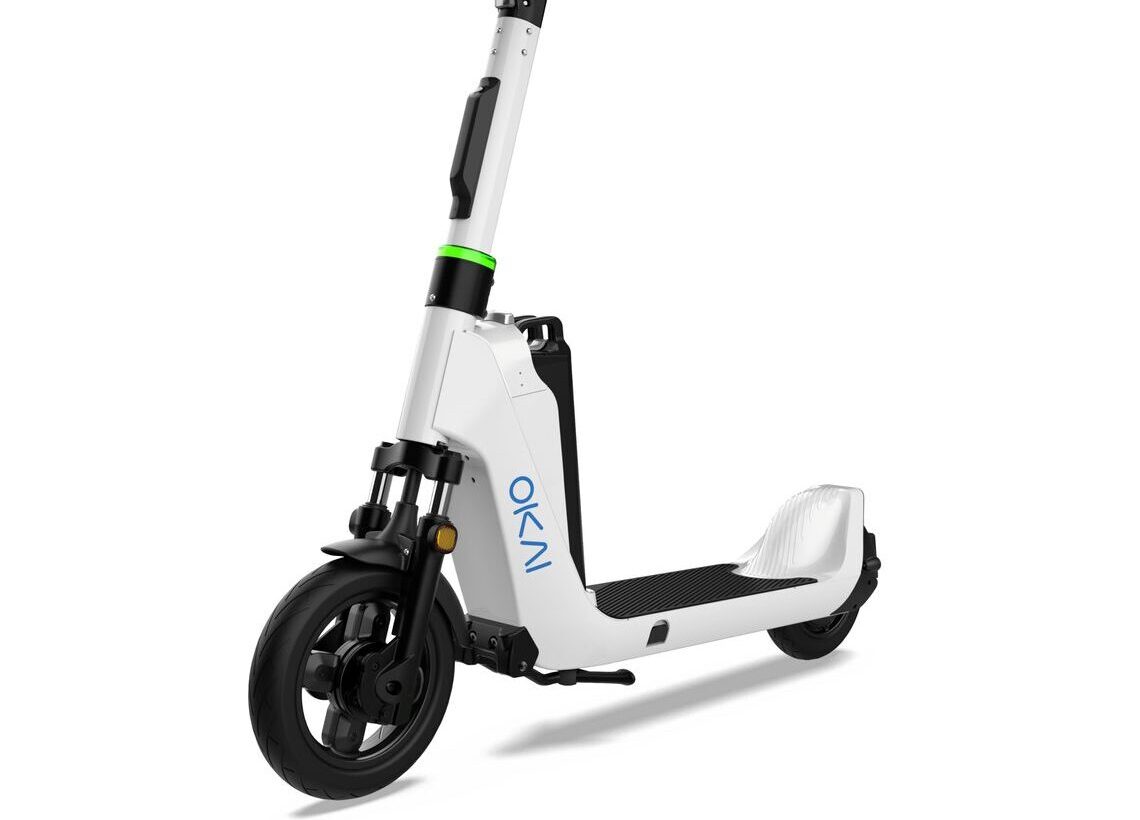
Micromobility parking continues to be a challenge in cities where dockless vehicles can end up blocking sidewalks, crossings or entrances. Manual checks are costly and often too slow to solve the problem in real time.
ATOM Mobility now uses computer vision to solve this. With Vision AI, riders take a photo when ending their ride. The system analyses the image using a neural network to understand if the vehicle is parked correctly – within a designated zone and without creating obstructions. If not, the app notifies the user and prevents trip completion until the parking is corrected.Each parking photo is automatically tagged as “Good parking”, “Improvable parking” (the user receives guidance on how to improve the parking), or “Bad parking” (the user is asked to re-park).
If the user fails to submit a “Good parking” photo after several attempts, the system will accept the photo with its current tag (“Improvable” or “Bad parking”) and flag it in the dashboard for further customer support review.
This solution has been live with many operators already. It helps reduce complaints, improve compliance with city regulations, and lowers the need for manual reviews.
2. Precision AI: Detecting car rental damages with cameras and machine learning
In traditional car rental, damage inspection is slow, manual, and often inconsistent. With self-service rentals becoming more popular, operators need a smarter and faster way to verify a vehicle’s condition between trips.
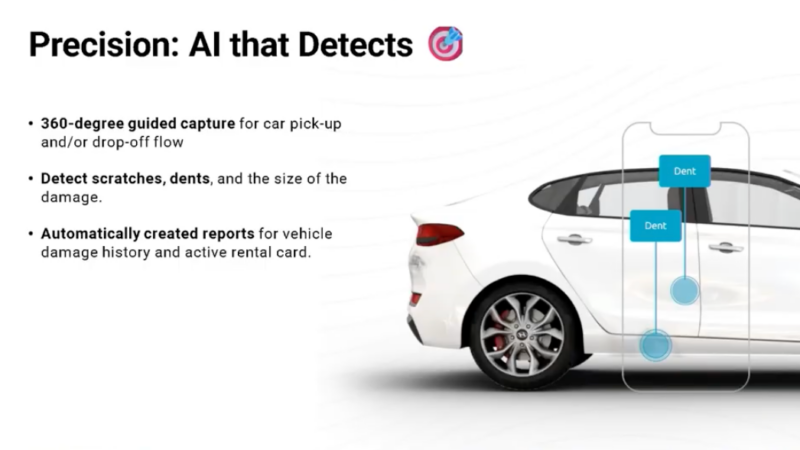
ATOM Mobility has integrated AI-powered damage detection using computer vision. Customers scan the vehicle at pick-up and drop-off. The app compares images and flags scratches, dents, or other visible damage with high accuracy. This allows operators to quickly assess responsibility and reduce disputes.
The system helps protect the fleet, lowers repair costs, and adds trust for both users and operators. It’s especially useful for car sharing and self-service rental models where physical handovers are skipped.
3. Prediction AI: Forecasting demand and automating vehicle relocation
One of the biggest cost factors in shared mobility is rebalancing the fleet. If scooters or cars are idle in the wrong location, revenue is lost. At the same time, relocating vehicles manually is expensive and not always efficient.
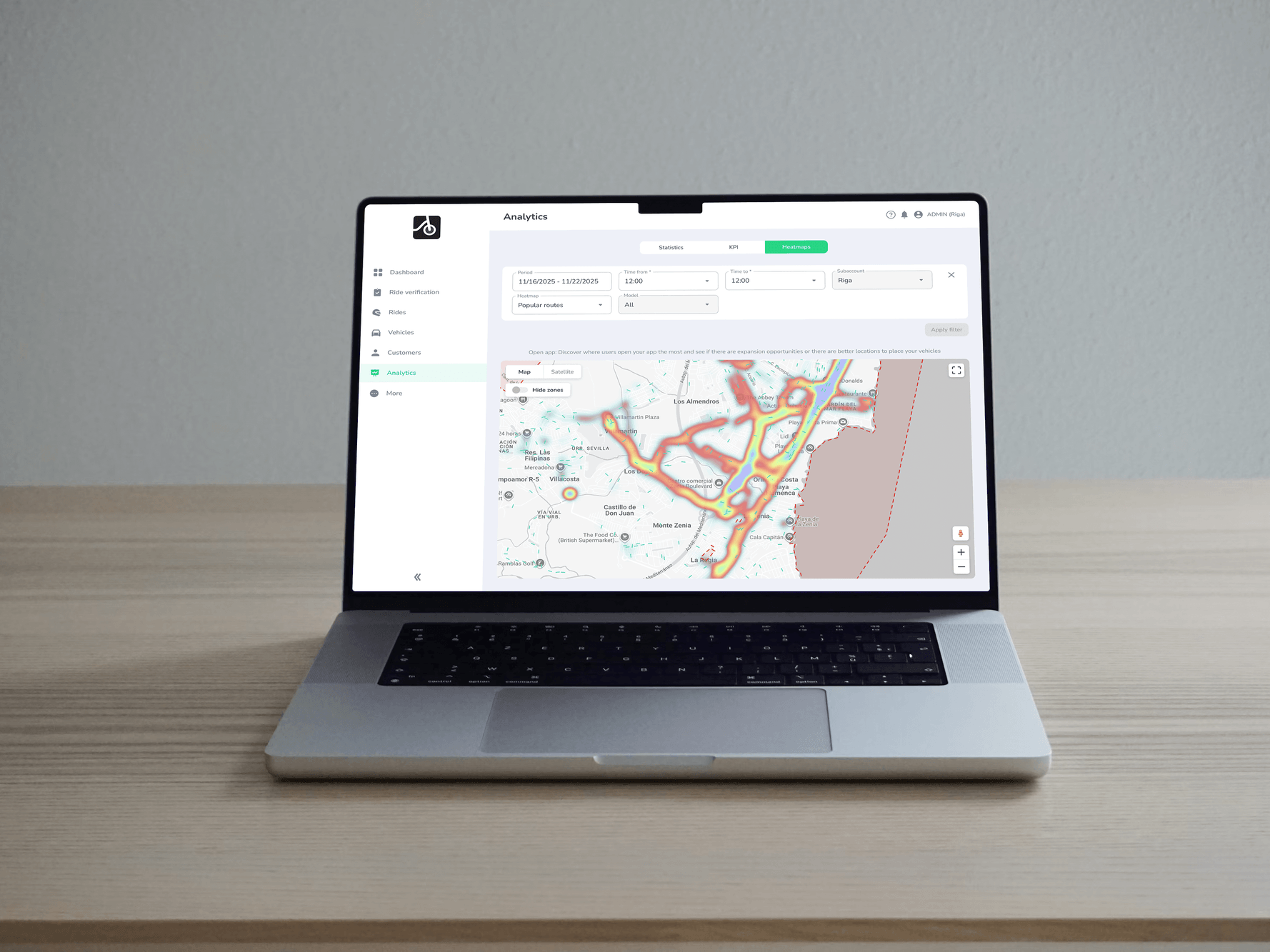
ATOM’s AI models use historical trip data, usage trends and contextual signals (such as day of the week or weather) to forecast demand and suggest the best relocation zones. This gives operators a map of where and when to move vehicles – improving utilisation and saving time.
The system can even be combined with automated relocation logic, where users are incentivised to park in high-demand areas. This shifts part of the rebalancing cost from operators to riders and keeps the fleet productive.
Why this matters now
AI tools are finally reaching the stage where they can operate reliably, even in complex environments like cities. These examples are not abstract ideas or lab tests. They’re active features helping ourcustomers run leaner, smarter fleets today.
For micromobility operators, Vision AI reduces complaints and ensures regulatory compliance. For car rental providers, Precision AI saves hours of staff time and improves trust. And for both, Prediction AI improves margins by making sure vehicles are where users need them.
What’s up next?
These are just the first steps. AI in mobility will continue to expand with smarter pricing engines, voice-based support, predictive maintenance, and more. But the examples above already prove that even small AI integrations can bring major improvements.
At ATOM Mobility, we continue building these tools directly into our platform so that operators don’t need to develop them in-house. If you want to see how these AI-powered features work in action, get in touch with our team.
AI in shared mobility is not about replacing people. It’s about giving operators better tools to run faster, smarter, and more efficient services.
This article was originally published by ATOM Mobility.