That smooth ride you just took? It was powered by a whole ecosystem of hardware and software you never saw. From IoT modules in the vehicle to real-time dashboards and rider apps, shared mobility relies on a solid tech stack to stay online, secure, and profitable.
You open an app, spot a scooter on the map, and within seconds it unlocks with a click. You ride off, expecting the battery to be charged, the brakes to work, and the whole process to feel effortless. From the very first ride, shared mobility set the standard: vehicles should always be nearby, ready to go, and the whole experience should feel seamless. What most riders never think about, though, is the complex mix of hardware and software working in the background to make every smooth ride possible.
Why the tech matters
Technology is the baseline for the shared mobility business model. Every ride depends on it. Vehicles need IoT hardware to lock, unlock, and report their status. Connectivity has to be stable so operators always know where assets are and what condition they’re in.
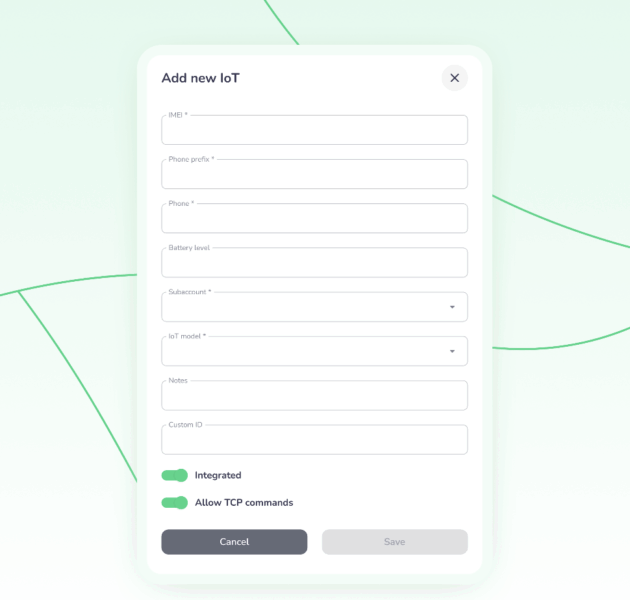
IoT, or the Internet of Things, is the technology that connects physical devices – like scooters, bikes, or cars – to the internet. Each vehicle contains a small embedded device (the IoT module) that sends and receives data through mobile networks. This connection allows operators to remotely control key functions such as locking, unlocking, location tracking, and firmware updates. In short, IoT is what makes a vehicle “smart” and manageable at scale.
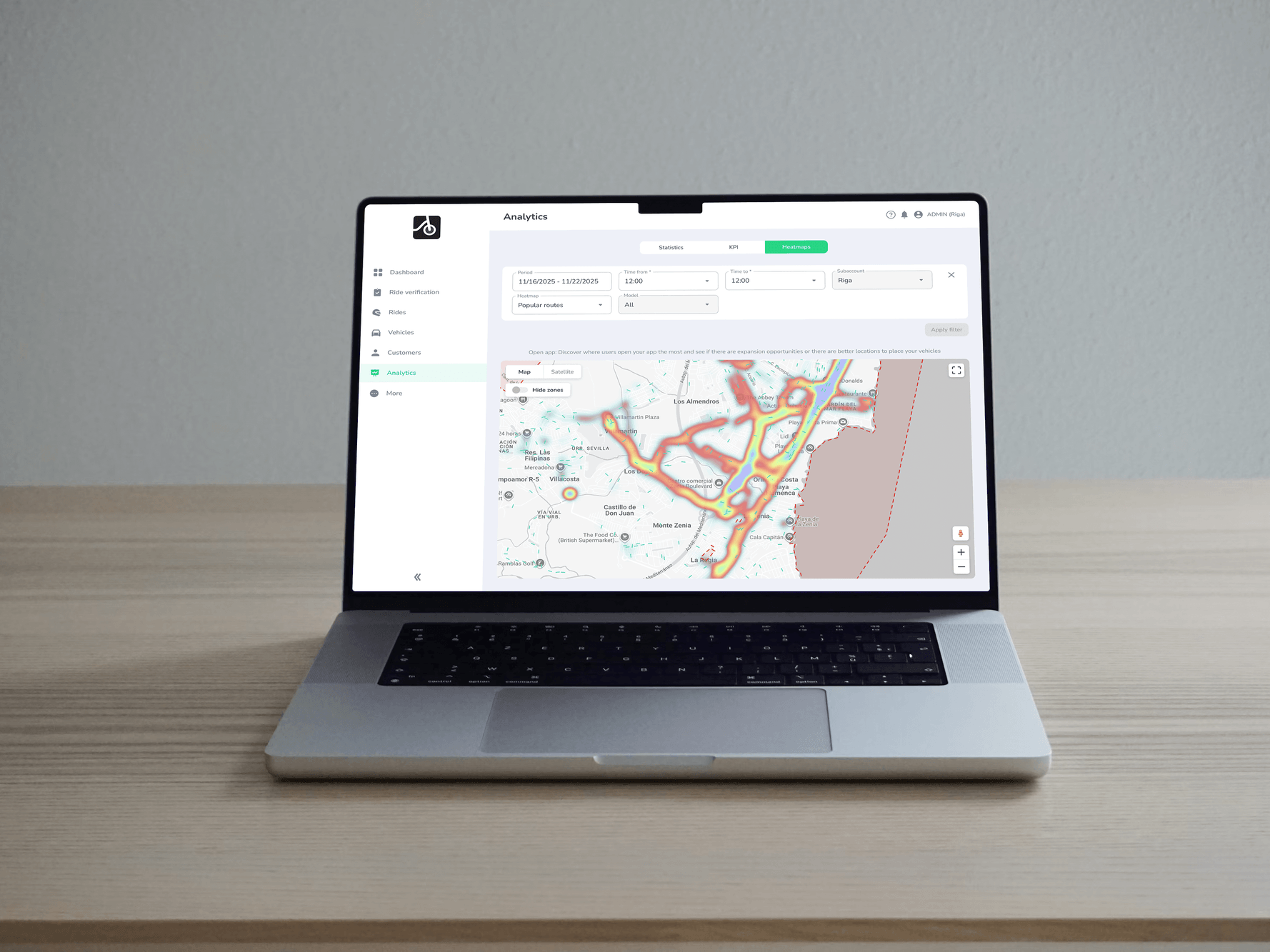
On the software side, riders expect apps that feel instant and intuitive, while operators rely on dashboards for fleet health, pricing, and support. Add in the realities of theft, battery swaps, downtime, and local regulations, and the stakes become clear. Without a reliable tech stack, even small failures – a scooter that won’t unlock or a payment that stalls – can quickly break user trust and hurt the business.
Where it began
Over the years, several manufacturers have entered the shared mobility IoT space, offering different hardware configurations, network technologies, and integrations. Companies like Teltonika (Lithuania), Comodule (Estonia), Invers (Germany), OMNI (China) and others produce modules compatible with various vehicle types and connectivity standards. Each provider focuses on specific strengths – some prioritize energy efficiency or compact design, others emphasize global coverage or advanced diagnostics. Choosing between them depends on the type of vehicles, operational scale, and software ecosystem an operator plans to use.
Our partner, Comodule was already developing IoT for micromobility when the Corona pandemic hit. Overnight, cities shifted and everyone needed their own safe, private way to move around. Shared scooters and bikes suddenly went from being a niche service to an essential part of urban transport, and the demand for IoT skyrocketed. For IoT manufacturers, it meant long days in development and manufacturing, pushing hard to deliver reliable devices at scale for brands like Uber, Lime, and Hive.
That sharp rise in demand forced them to grow quickly and gave valuable experience in building technology that could perform under real pressure. Fleets that trusted Comodule devices had a backbone they could rely on: vehicles that could be located, unlocked, secured, and managed internationally. Just as important, the IoT had to integrate seamlessly with software systems (like ATOM Mobility). That’s why building robust API and SDK tools became critical – enabling operators to connect hardware to their platforms, control fleets in real time, and access the information needed to keep moving.
IoT as the brain of the vehicle
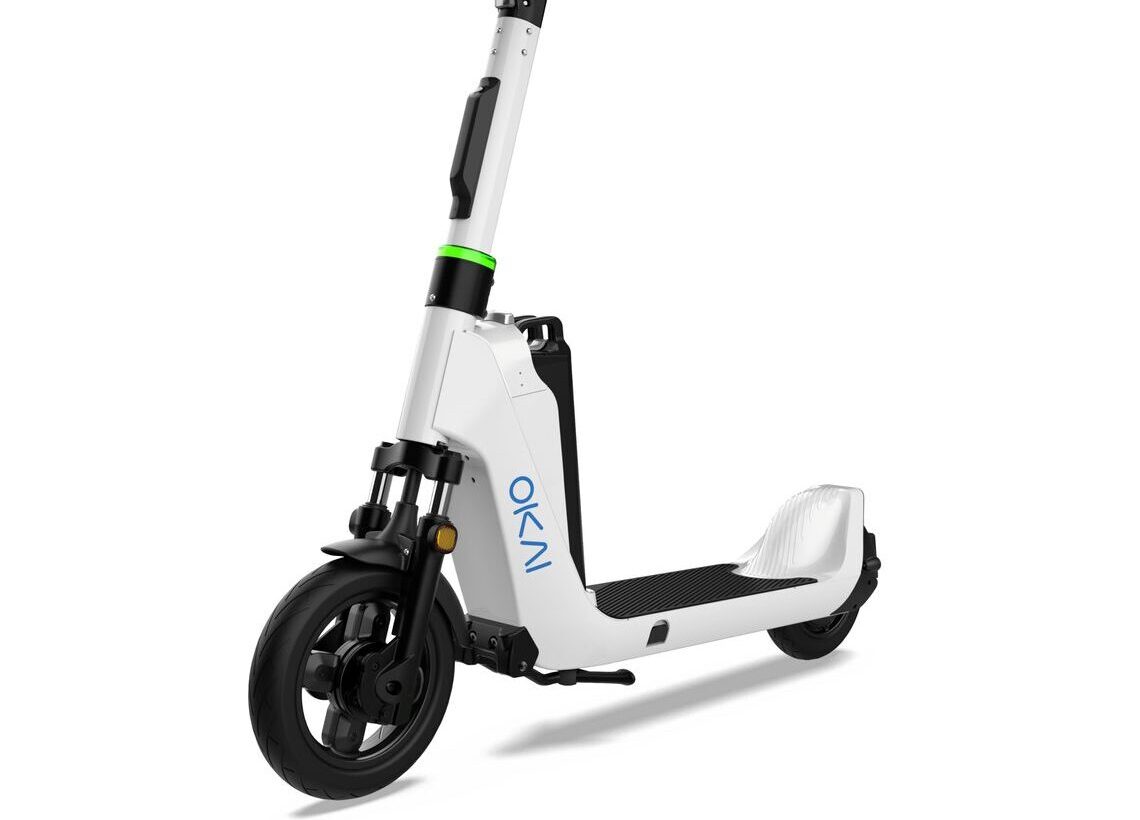
Inside every connected scooter or bike sits a IoT module, the “brain” that links the vehicle to the cloud. It connects through cellular networks, constantly sending data about location, speed, and battery status. When a rider taps “unlock” in the app, that command travels through the cloud to the module, which triggers the electronic lock and wakes up the vehicle. The same connection allows operators to set geofenced no-parking zones, push over-the-air updates, or activate a sound alarm if the scooter is being tampered with. Battery sensors inside the module report charging cycles and health, so operators know exactly when a pack needs to be swapped or replaced.
All of this data is streamed in real time to the fleet management system, giving providers the ability to monitor hundreds or even thousands of vehicles simultaneously. For operators, these capabilities mean higher uptime, faster theft recovery, and precise control over the entire fleet – the difference between running a struggling operation and a profitable one.
Selecting the right IoT hardware is a long-term decision that affects the entire fleet’s performance. Operators should evaluate network compatibility (2G/4G/5G/eSIM) and regional coverage, integration options such as open APIs and SDKs, and reliability under different weather conditions. Battery efficiency, after-sales support, firmware update policies, and compliance with standards like CE or FCC also matter. In short, IoT isn’t just a component – it’s the operational backbone of any shared mobility business.
Rising expectations in the market
As shared mobility matured, the bar kept getting higher. New scooter generations came with swappable batteries, sturdier frames, and better onboard electronics. Riders got used to apps that respond instantly, process payments in seconds, and show vehicle availability with pinpoint accuracy.
At the same time, competition rose, not only from global players but also from smaller, local operators launching fleets in their own cities. For these companies, reliable hardware was no longer enough. They needed the software layer that connects everything: smooth rider apps, powerful operator dashboards, and analytics to make smarter decisions. Yet many lacked the time and resources to build software on their own.
Software as the missing piece
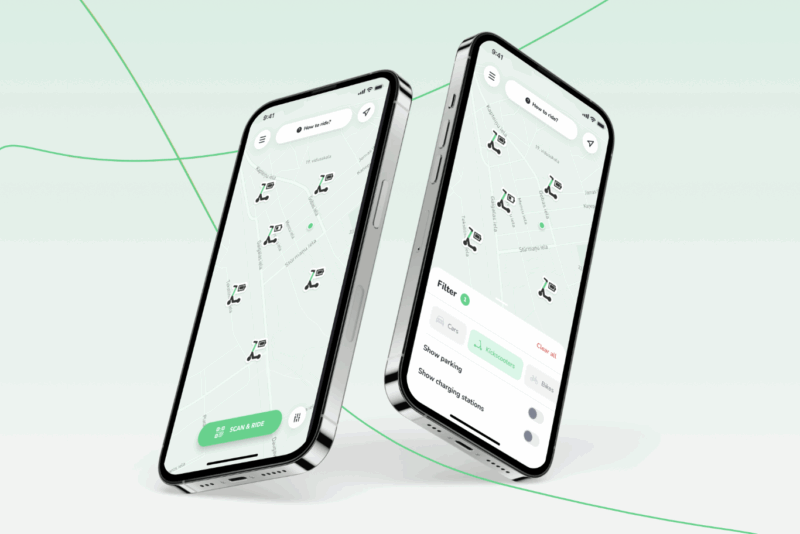
As fleets grew and competition intensified, operators realized they did not have time or funds to develop their own software layer. They needed a market-ready platform that ties everything together – apps that riders enjoy using and dashboards that give operators full control of their business. That’s where solutions like ATOM Mobility come in.
Platform connects directly with IoT through APIs and SDKs, so every unlock command, error code, or battery update flows instantly between the rider’s app and the operator’s dashboard. Almost any company can launch a fleet with this stack – from large-scale operators to small, local newcomers.
The power of integration
When hardware and software work seamlessly, the rider experience feels effortless. A simple tap in the app sends a command through the cloud to IoT, which unlocks the vehicle and streams live data back in milliseconds. The operator instantly sees the vehicle’s status in the dashboard: battery level, GPS position, and any error codes.
If the scooter leaves a geofenced area, the system reacts automatically. If maintenance is needed, the alert is flagged before it becomes a breakdown. By combining the hardware with software, fleet providers get one complete ecosystem – a stack built to keep vehicles online and users satisfied.
From seamless rides to smarter cities
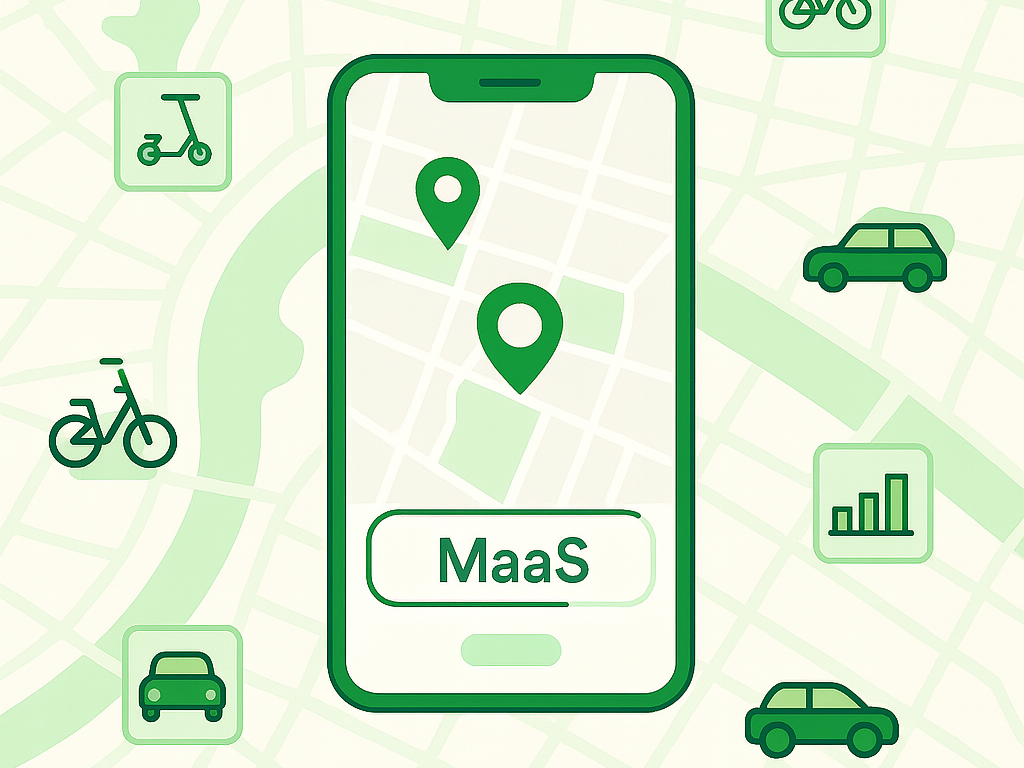
From a rider’s perspective, shared mobility should always “just work.” That won’t change. But the technology stack behind it is becoming more sophisticated every year. Stricter regulations demand safer and more transparent services, while cities are pushing for integration into broader Mobility-as-a-Service platforms. IoT and software together provide the data and control that operators need, not only to stay compliant but also to improve fleet efficiency and sustainability and to provide insights for city planning.
For users, that sophistication will translate into something simple: services that are more reliable, safer for everyone on the road, and smarter – with data from real-world usage helping to shape better vehicles, better infrastructure, and better cities in the future.
This article was originally published by ATOM mobility