Running a rental or sharing business today means delivering a smooth, digital-first experience. Whether you rent cars, bikes, scooters or other vehicles – users expect to book online, pay, verify identity if needed, unlock a vehicle, and ride or drive without extra friction.
To make that happen reliably, you need good vehicle rental software or platform backing your service. Below are some successful examples of apps and platforms that show how this works and what is possible.

Donkey Republic
Operates in several European cities offering shared bikes and e‑bikes. Users find a bike in the app, unlock it with a smartphone, ride, then park at a designated drop‑off spot and end the rental. Pay‑as‑you‑go, daily rates or memberships are all handled via the app.
MOBY Bikes
Targets electric bicycles and e‑cargo bikes across certain regions, with a “tap‑and‑ride” system that uses its proprietary app for booking, unlocking, and rental management. The platform supports mixed-use fleets (shared bikes, cargo bikes, delivery fleet, even B2B rentals), which illustrates flexibility – useful for operators exploring different business models beyond simple consumer rentals.
Forest
It is a dockless e‑bike sharing operator in London. It runs a large fleet and offers bike‑sharing through a mobile app. The service demonstrates how a relatively simple, dockless rental model can scale at urban level using app‑based rentals, unlocking, and flexible parking.
These examples show how micromobility‑focused services already rely on booking, payment, unlocking and fleet management tech – the same core capabilities needed by any modern vehicle rental business.
What makes these apps work – and what to borrow from them
From these operators you can observe several useful traits that a good rental/sharing software should provide:
- Seamless user journey: crate account in seconds → search → book → unlock → ride/drive → return. Users don’t need paper contracts or to meet staff to get a vehicle.
- Flexible pricing & rental models: per-minute, hourly, daily, subscription, memberships – enables both occasional users and frequent commuters.
- Smart access control and vehicle tracking: unlocking via app or smart lock, GPS tracking, drop‑off in defined zones or docking stations, helps maintain order, reduce theft, and support dockless models.
- Support for different vehicle types: from bikes to e‑bikes and cargo bikes – showing that underlying software can be agnostic to vehicle type, useful if you plan a mixed fleet.
- Scalable fleet operations and maintenance: availability updates, booking history, maintenance logs, geofencing or parking zones – these help manage many vehicles across zones without chaos.
These are exactly the kinds of features you need when you move from small‑scale operation to proper fleet business.
Why to choose ATOM Mobility
If you plan to just test the market or to operate a larger and more complex fleet – multiple vehicle types, multiple cities, or advanced operational requirements – a full-stack platform like ATOM Mobility becomes essential.
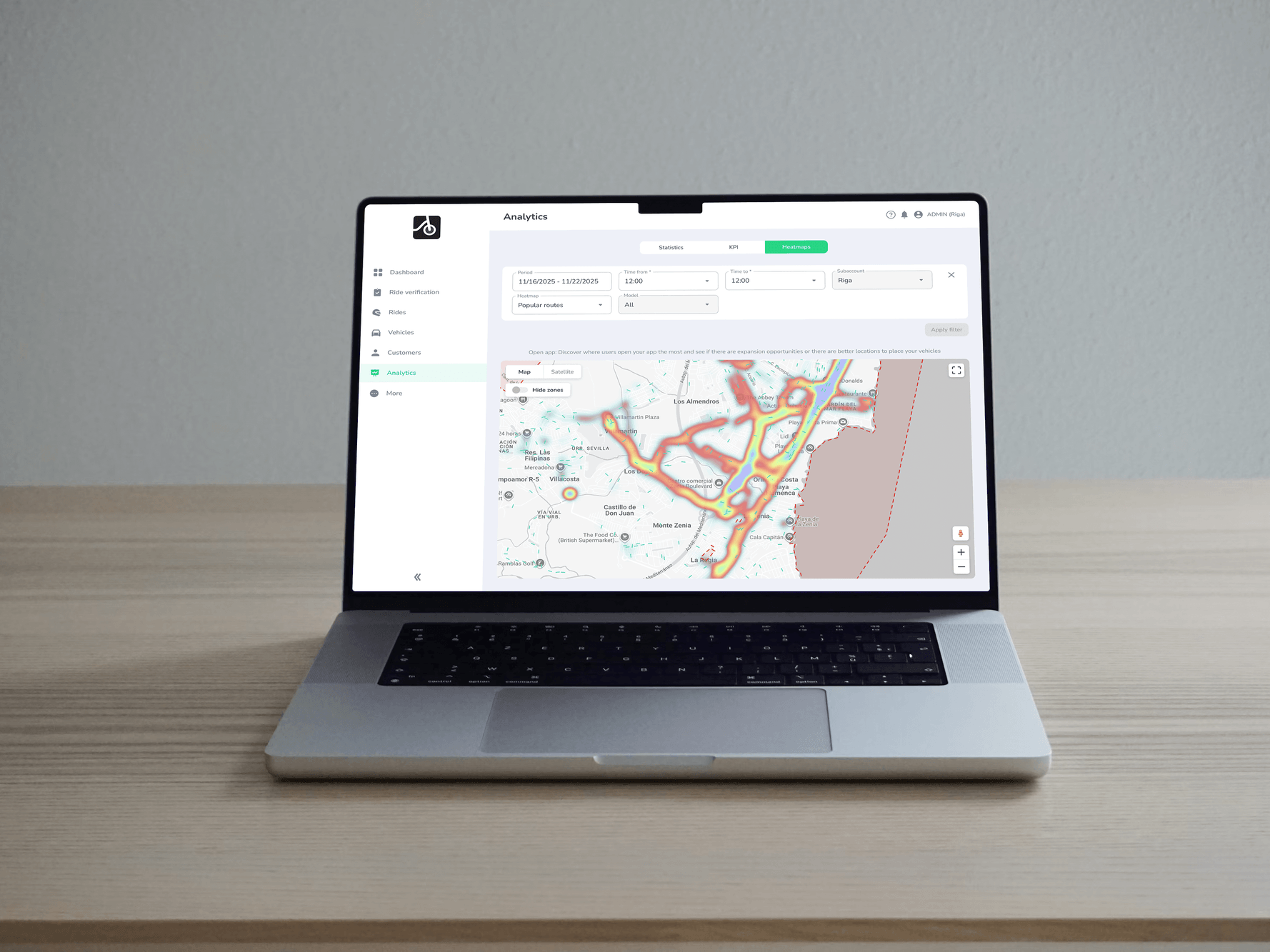
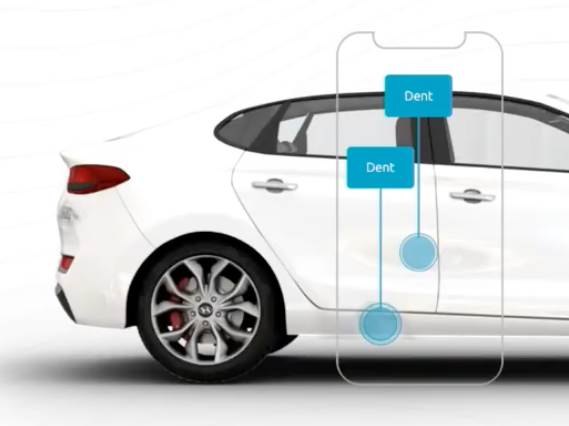
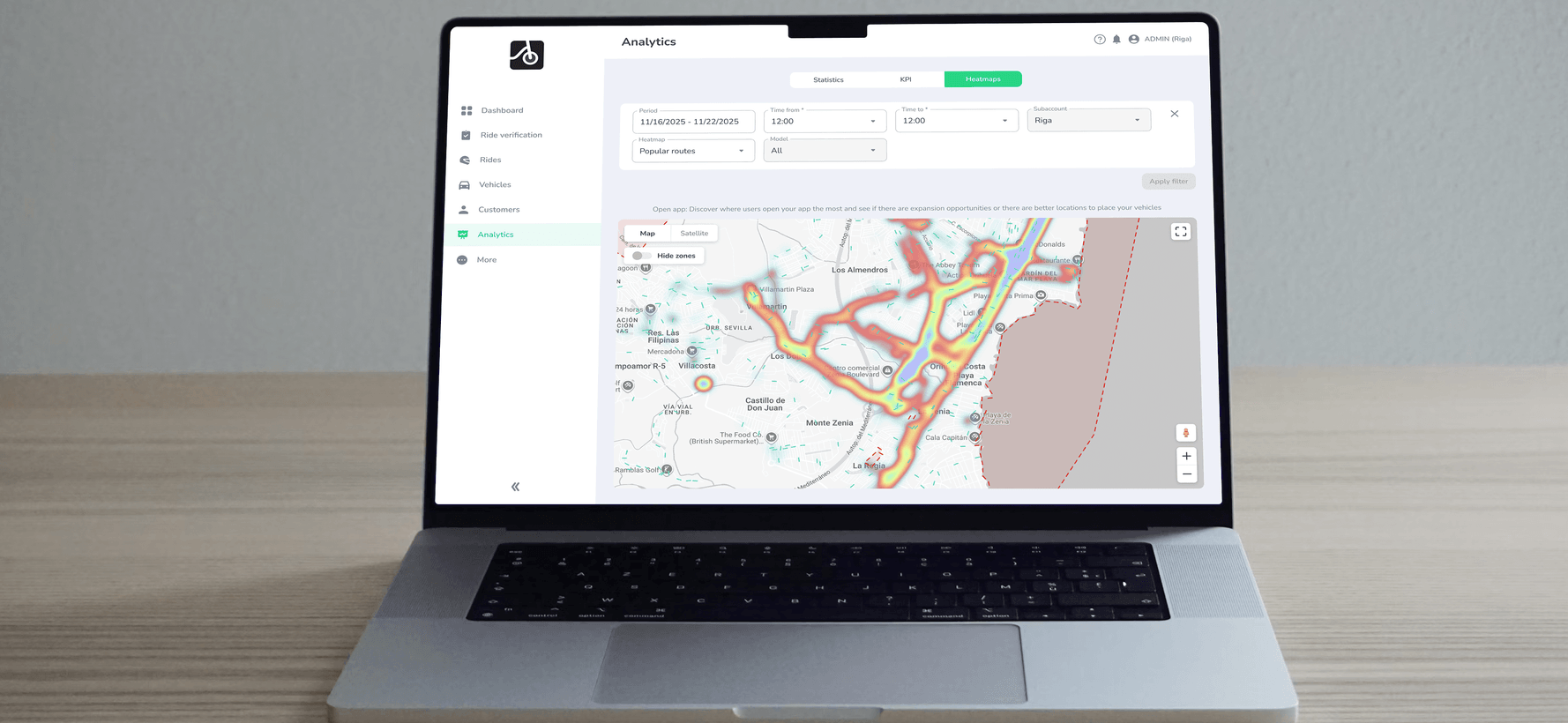
ATOM Mobility is designed for operators who need full control over the entire mobility operation: booking flows, unlocking logic, payments, KYC/ID verification, backend administration, fleet analytics, dynamic pricing, and multi-modal rentals across cars, scooters, bikes, and more.
The platform provides a unified backend that supports cars, scooters, e-bikes, mopeds, and additional vehicle types within a single system. Operators can manage bookings, payments, users, smart locks or connected vehicles, fleet health, and city-level scaling without fragmenting their tech stack as the business grows.
This approach offers far greater flexibility than single-vehicle or bike-only solutions and removes the need to migrate systems when expanding into new vehicle categories or markets. Check out the full service here.
How to choose: when to use franchising vs full platform
Join a franchising when you:
– prefer operating under an established brand
– value a clear operational playbook and central support
– want simpler marketing thanks to brand recognition
– are comfortable with limited control over technology and product decisions
– accept franchise fees or revenue sharing in exchange for convenience
– don’t need heavy customization or experimentation
Use a full platform (like ATOM Mobility) when you:
– aim to manage a larger, mixed fleet (cars, scooters, bikes, e-bikes)
– need full backend control (admin, analytics, pricing, reporting)
– require payments, KYC/ID verification, and automation built in
– want freedom to customize booking flows, pricing, and partnerships
– plan to scale across cities or add new vehicle types over time
– prioritise brand ownership and customer relationship control
– want no revenue sharing or franchise fees
There isn’t a one‑size‑fits‑all solution
For simple bike or e-bike fleets, the technology barrier is already low. Joining a franchise can be a fast way to get operations running with minimal setup.
However, operators with long-term ambitions – expanding into multiple vehicle types, scaling across locations, or maintaining consistent service quality – typically outgrow narrow tools. In those cases, a full-stack platform like ATOM Mobility offers the flexibility and control needed to support growth without rebuilding the tech foundation later.
Some operators start small and migrate as complexity increases. Others choose to build on a full platform from day one to avoid future transitions. The right choice depends on how clearly you define your growth path, desired level of control, and operational complexity from the start.
This article was originally published by ATOM Mobility.