Autonomous buses and shuttles could significantly change the structure and performance of public transport in Germany if deployed at scale, according to a new study commissioned by DB Regio, Deutsche Bahn’s regional transport subsidiary.
The study, ‘Autonomous Driving – Key to Tomorrow’s Mobility,’ assesses scenarios for the year 2045 and is the first to model nationwide impacts of autonomous driving on Germany’s transport system. It was developed with mobility software company ioki, the Karlsruhe Institute of Technology (KIT), the German Aerospace Center (DLR) and Prognos AG, under the supervision of an expert advisory board.
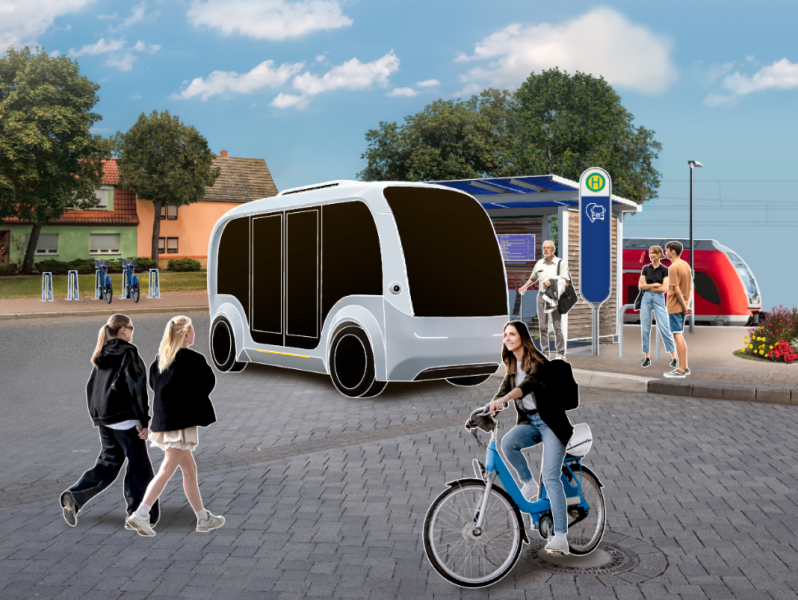
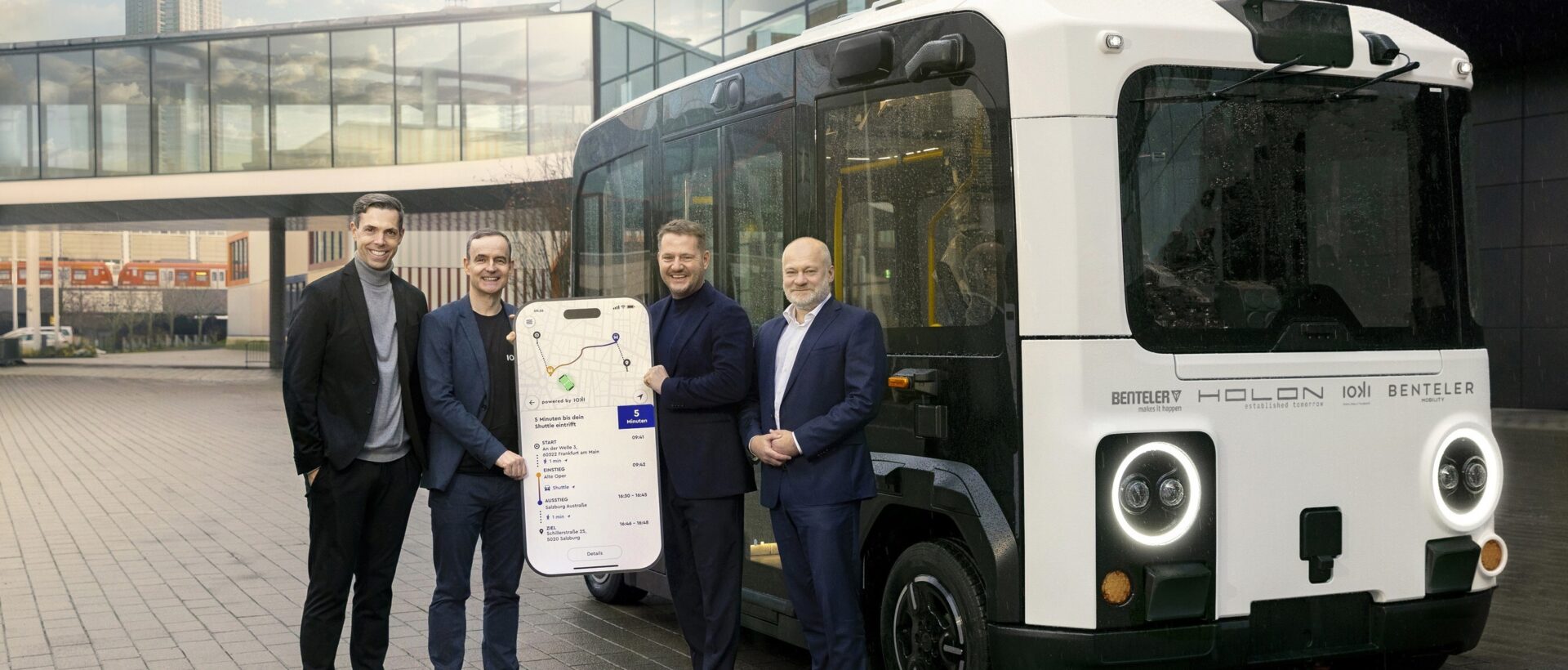
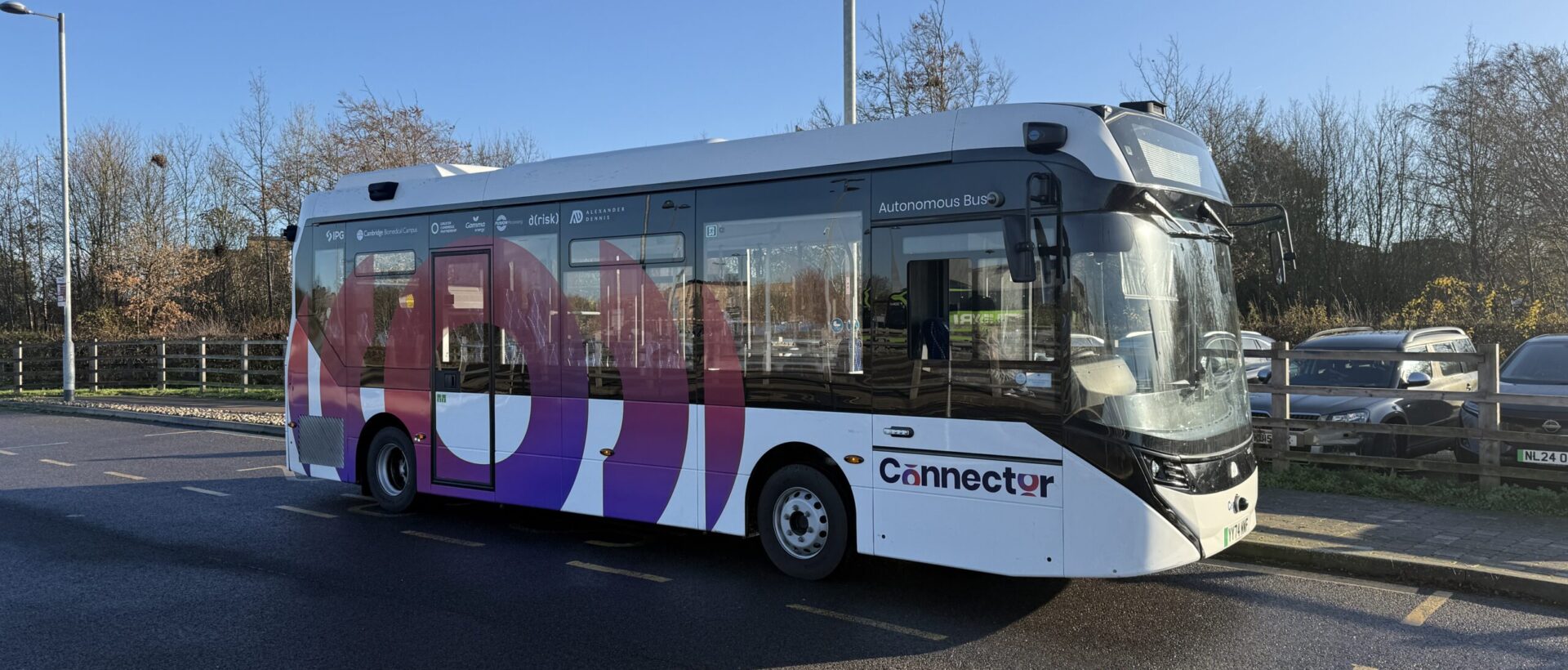
The findings suggest that the greatest benefits of autonomous vehicles arise when they are integrated into public transport, rather than deployed as standalone solutions. In a scenario with around one million autonomous shuttles and buses operating nationwide, public transport services would be expanded and reorganised, with self-driving shuttles acting both as direct point-to-point services and as feeders to rail and bus networks.
Under this model, average waiting times are projected to fall to five minutes in metropolitan areas and 13 minutes in rural regions. Rural waiting times would be around 50 percent shorter than today. Journey times would approach those of private cars and could be shorter in some urban areas.
Frederik Ley, Board Member for Road Transport at DB Regio said:Autonomous driving is coming. The technology and the laws for its application in public transport are in place. We can derive the greatest benefit from it if we fundamentally develop public transport further and expand the service – with autonomous shuttles, optimised bus routes and connections to the train. This will improve the quality of life and mobility in cities and rural areas.
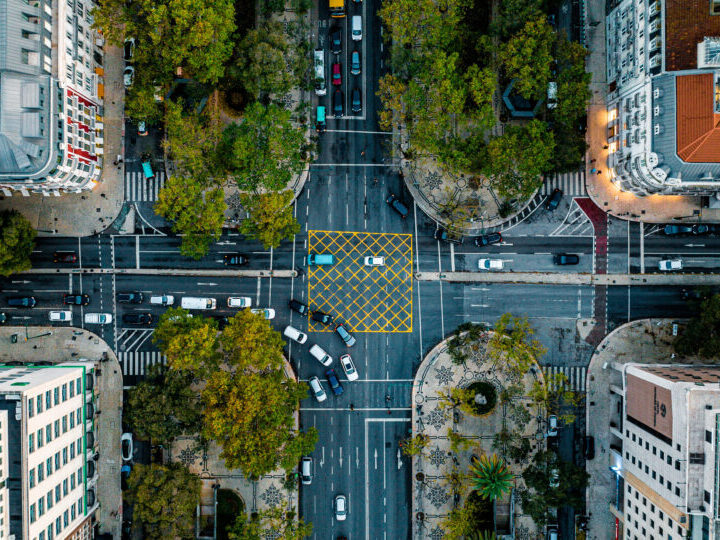
The study estimates that a nationwide autonomous public transport system would increase the share of total passenger transport carried by public services to 35 percent, more than double the current level. Reduced car dependency would also lower traffic congestion in cities and metropolitan areas by up to 11 percent.
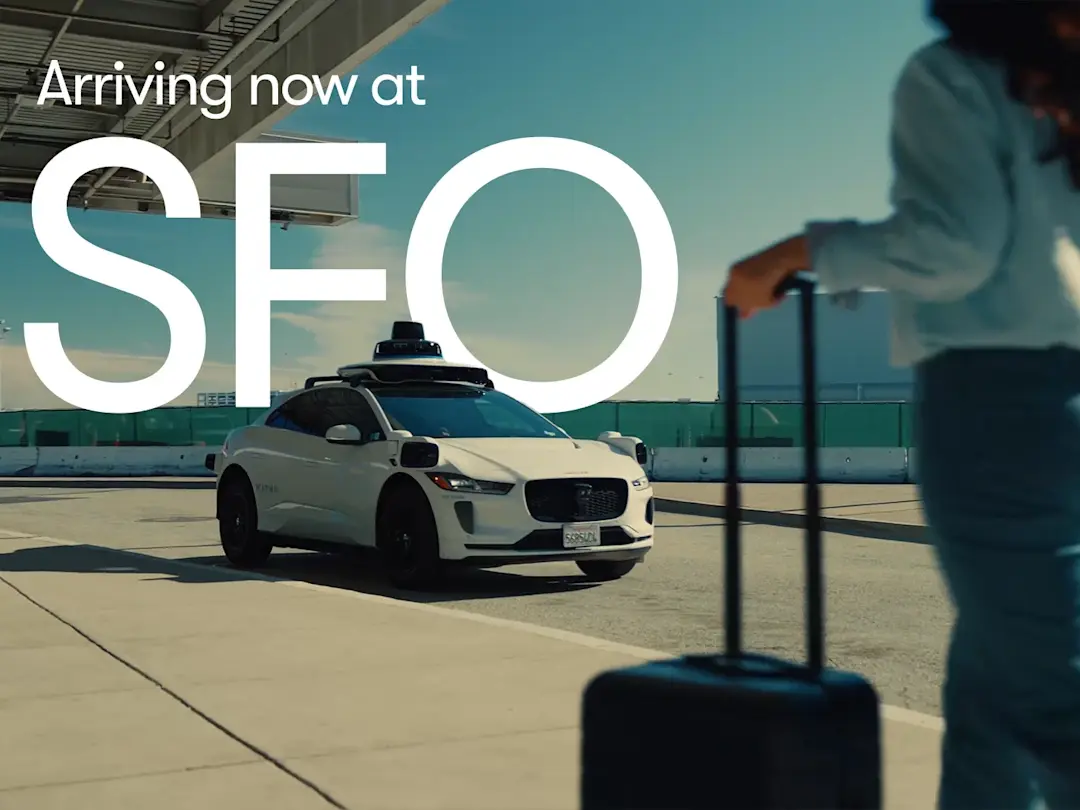
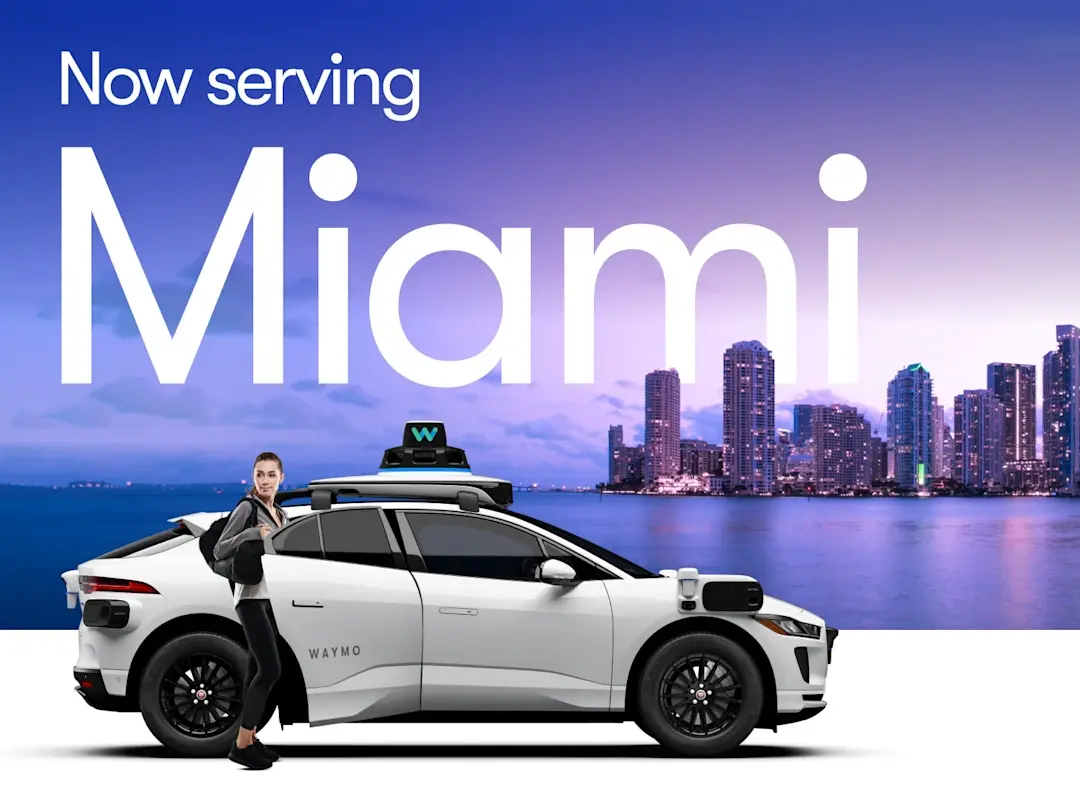
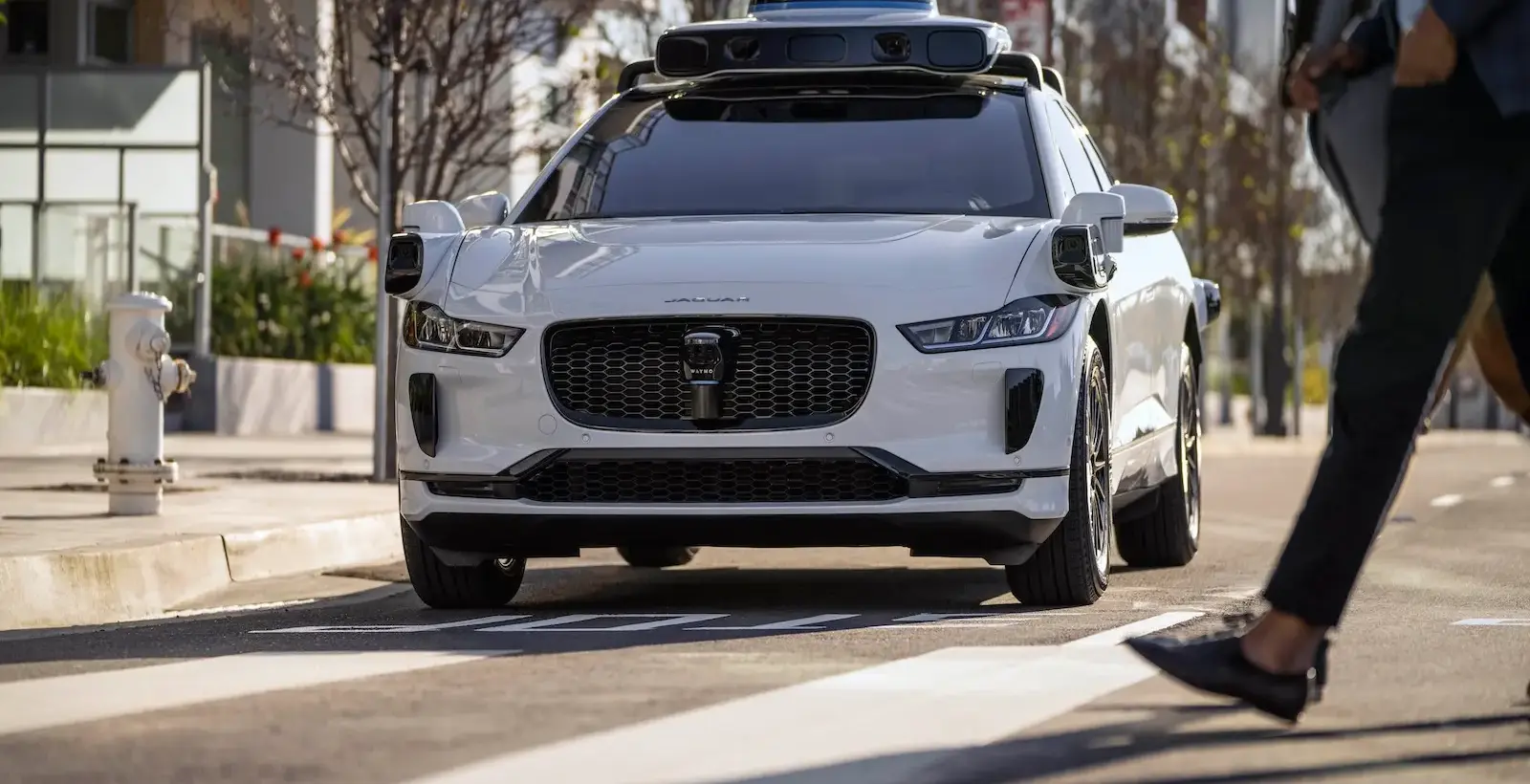
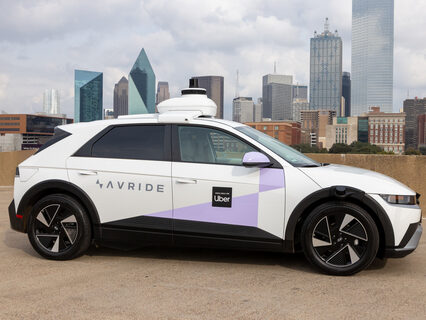
In contrast, the study finds limited benefits from simply automating existing bus services or deploying privately operated robotaxis. Widespread use of robotaxis could increase urban traffic volumes by up to 40 percent, while offering little improvement to mobility in rural areas.
The report also highlights potential financial effects. Despite a substantial expansion of services, public funding requirements for public transport could fall by around 20 percent, driven by operational efficiencies and higher passenger usage. By 2045, individuals switching from private cars to public transport could save an average of 170 EUR per month, according to the projections.
DB Regio and its partners argue that autonomous driving should be treated as a tool to reshape public transport networks rather than a technology applied in isolation. The study concludes that coordinated planning, regulatory support and user acceptance will be central to realising the projected outcomes.
Knut Ringat, Vice President of the Association of German Transport Companies (VDV) and Managing Director of the Rhine-Main Transport Association (RMV) said:Autonomous driving is not an end in itself. It is a great opportunity to make public transport, as the backbone of social participation, more efficient, stronger, and more attractive for passengers. Now it is a matter of testing this in practice for urban and, above all, rural areas, specifically with model regions for autonomous driving in public transport. The RMV is ready to continue to move forward on this path together with its partners and to actively shape its development.