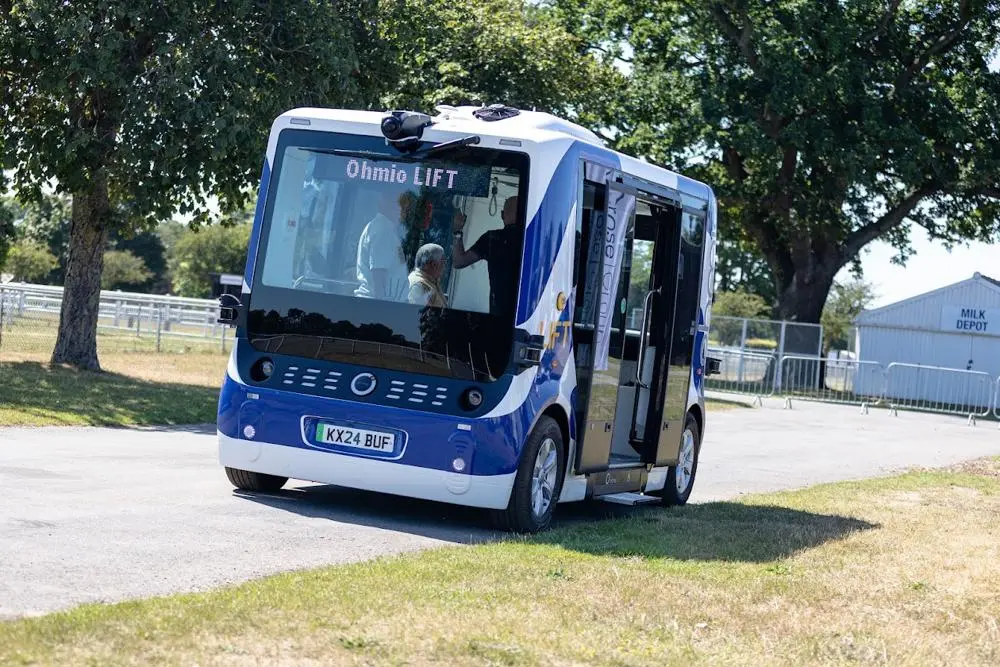
Researchers at Coventry University are examining how pedestrians interact with autonomous vehicles (AVs) to support safer road design and operation.
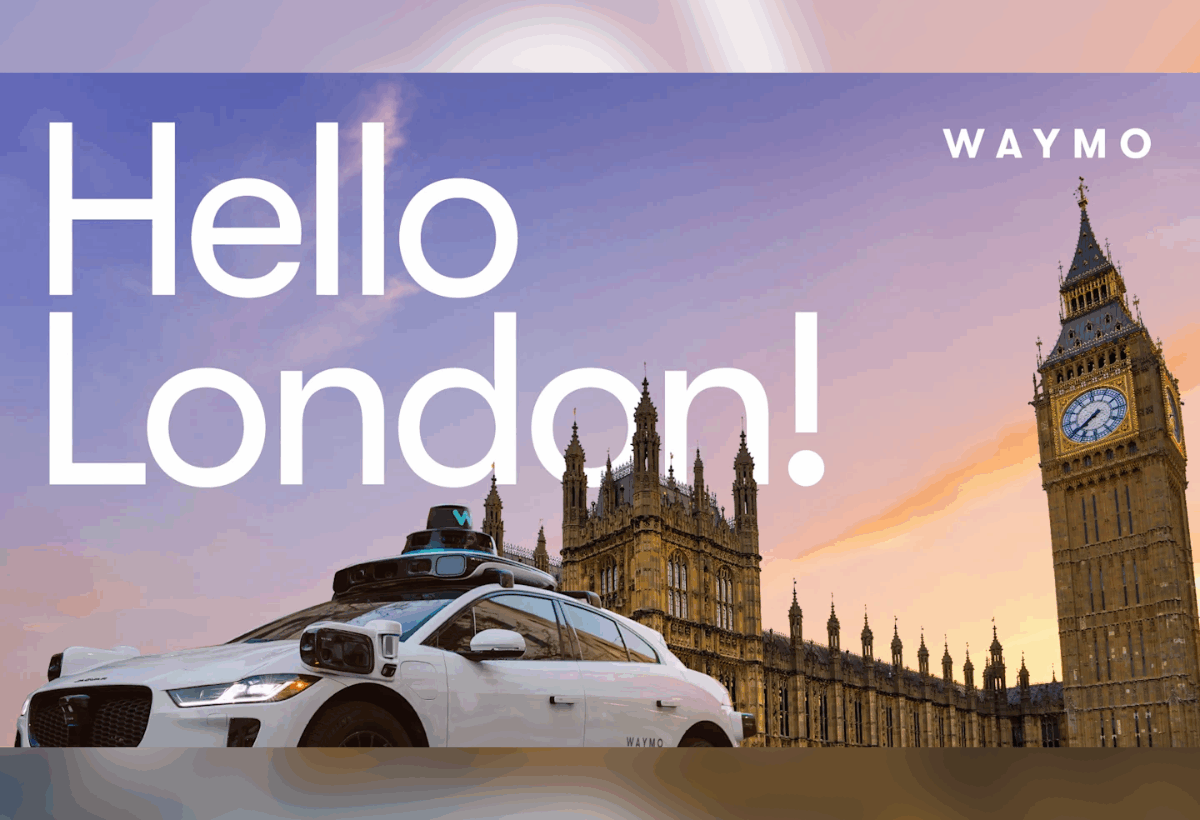
With government projections suggesting that AVs could be on public roads as early as 2026 and that up to 40% of new cars could be self-driving by 2035, ensuring that these vehicles can safely coexist with pedestrians is a growing priority.
A new international study led by Coventry University’s Research Centre for Future Transport and Cities, in collaboration with Deakin University in Australia, investigated how people decide when to cross in front of AVs. The study involved 281 participants who considered factors such as road gradient, weather conditions, vehicle type and distance before stepping into the road.
Results found that participants were more likely to cross when AVs were travelling uphill, during sunny weather, and when smaller vehicles were further away. These findings suggest that automated vehicles should adopt more cautious and anticipatory driving strategies in higher-risk conditions, for example by signalling intent through earlier deceleration.
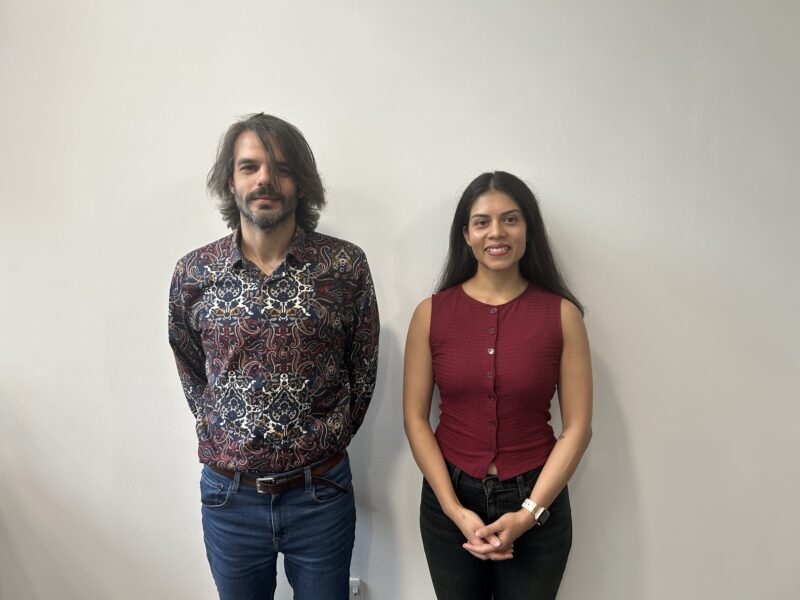
Study lead Sachita Shahi, a postgraduate researcher at Coventry University and Deakin University, said:By identifying the conditions that make pedestrians feel safer, we can inform AV design to better support safe and predictable road interactions.
The research also explored how psychological factors influence pedestrian behaviour. Participants were categorised into three behavioural profiles – risk-averse, resolute and indecisive – based on personality traits such as agreeableness, openness and error-proneness. Understanding these profiles could help developers create AV systems that better interpret and respond to different pedestrian behaviours, improving both safety and public confidence.
Dr William Payre, Assistant Professor at the Research Centre for Future Transport and Cities, who contributed to the study and is overseeing Sachita’s research, said:Regardless of how advanced AV technology becomes, people still rely on their lived experiences as pedestrians. It’s not just about the technology - it’s about how people interpret risk based on what they know.
When the road was steep, they were more cautious. It wasn’t about the AV, it was about their own experience. The sensors and the vehicle try to interpret how a pedestrian is behaving to adapt how the vehicle drives. We’re trying to give a human flavour to the data, not just numbers, to help AVs think like humans and understand human behaviour.
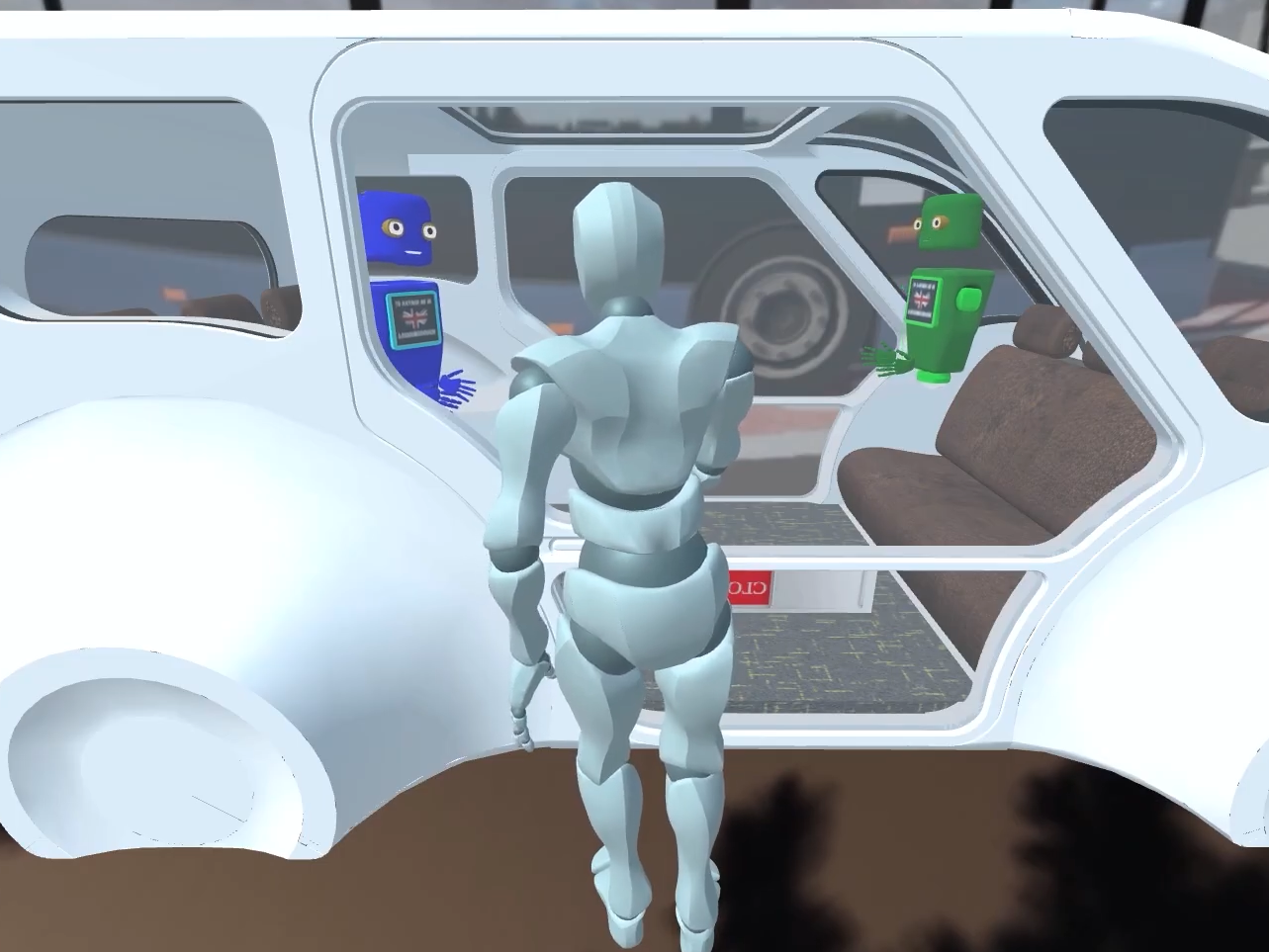
Building on these results, the research team plans to use virtual reality environments, incorporating eye-tracking and behavioural data, to explore pedestrian decision-making in greater depth.
Shahi added:Next we want to see not just when people cross, but what they look at and what factors they consider most important. This will give us a much deeper insight into how people interact with AVs. The aim of all of this work is to make the roads of the future safer for everyone.