Several connected and automated mobility (CAM) projects have received new funding from the UK Government to advance the rollout of autonomous transport.
The support is part of the latest phase of the CAM Pathfinder – Enhancements programme, which aims to develop commercial solutions in passenger and freight transport using autonomous systems.
The selected projects are backed by the Centre for Connected and Autonomous Vehicles (CCAV), a joint unit of the Department for Business and Trade (DBT) and the Department for Transport (DfT). Funding is delivered in partnership with Innovate UK and Zenzic, and forms part of the wider 150 million GBP CAM Pathfinder programme announced in the UK Government’s Advanced Manufacturing Sector Plan.
The programme focuses on addressing challenges in commercialising CAM services, supporting the UK supply chain and preparing the market for the deployment of new mobility technologies. The projects receiving funding have already undertaken prior research or demonstration activity with government support.
Public Transport
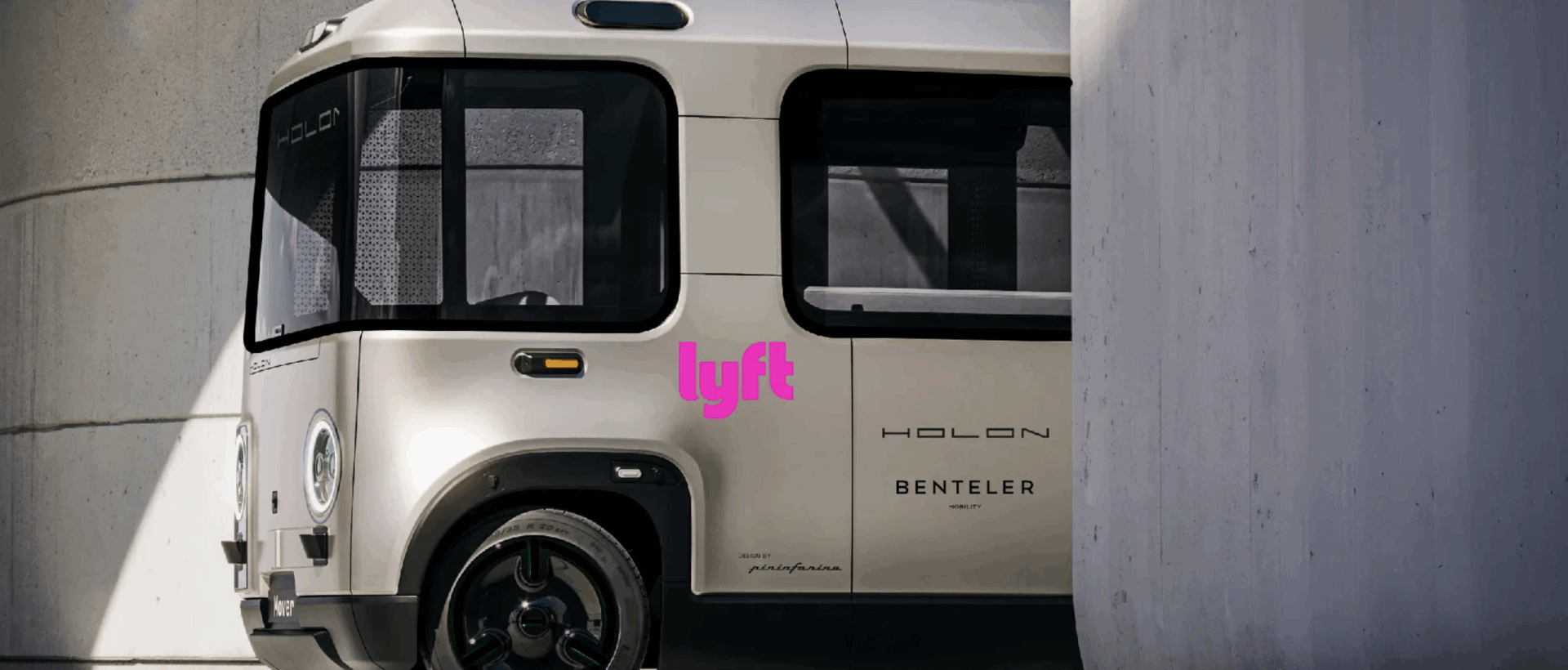
Four of the selected projects focus on the deployment of autonomous buses and shuttles in live operational environments:
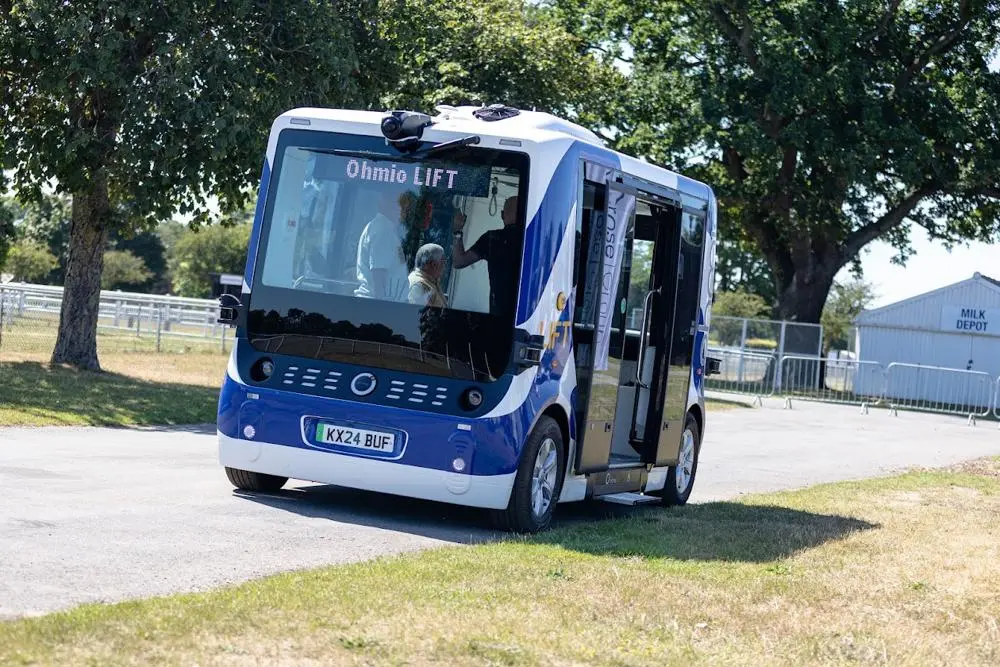
- StreetCAV Plus: A shuttle service in central Milton Keynes led by Smart City Consultancy Ltd, working with ECS, Cablefree, Ohmio, and Milton Keynes City Council.
- SCALE 2: An autonomous bus service linking Birmingham International railway station, the NEC campus and Birmingham Business Park. Led by Solihull Metropolitan Borough Council, the project is supported by IPG, NEC, Coventry University, Ohmio, Coventry City Council, Transport for West Midlands, WMG and dRISK.
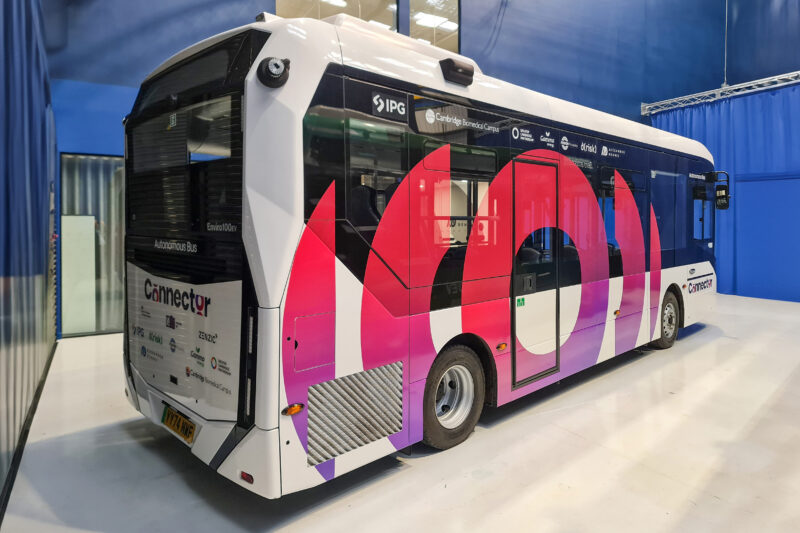
- Connector 2: Building on previous trials in Cambridge, this project extends autonomous vehicle operations to Cambridge West, the Biomedical Campus and local guided busways. Delivery partners include Greater Cambridge Partnership, Fusion Processing, Alexander Dennis and dRISK.
- AutonoBus: A project focused on the further development of Fusion Processing’s AV platform, including features for emergency service recognition and lane-keeping for heavier vehicles. Partners include Alexander Dennis and Edinburgh Napier University.
Airport and Logistics
Other projects focus on autonomous logistics:
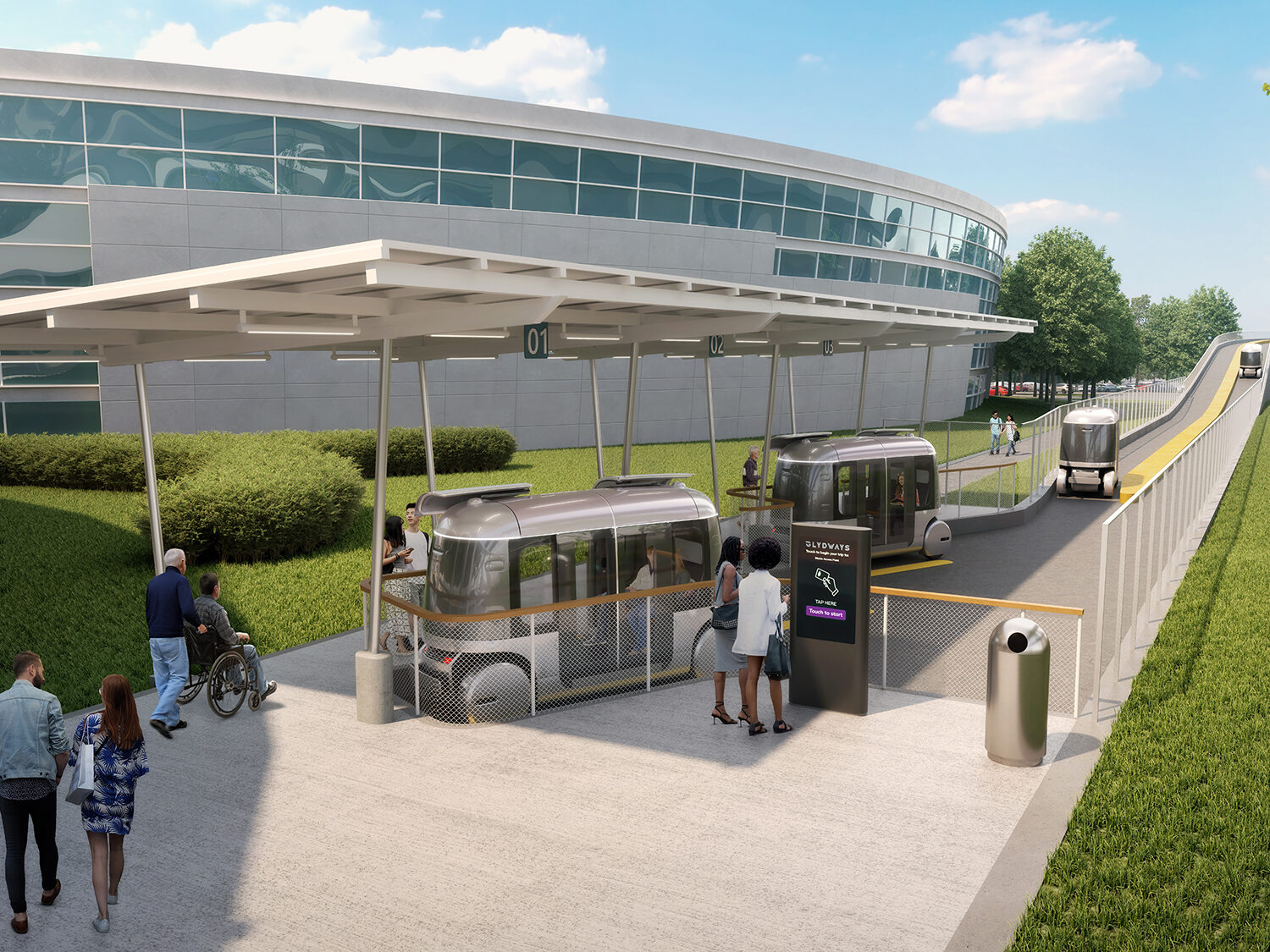
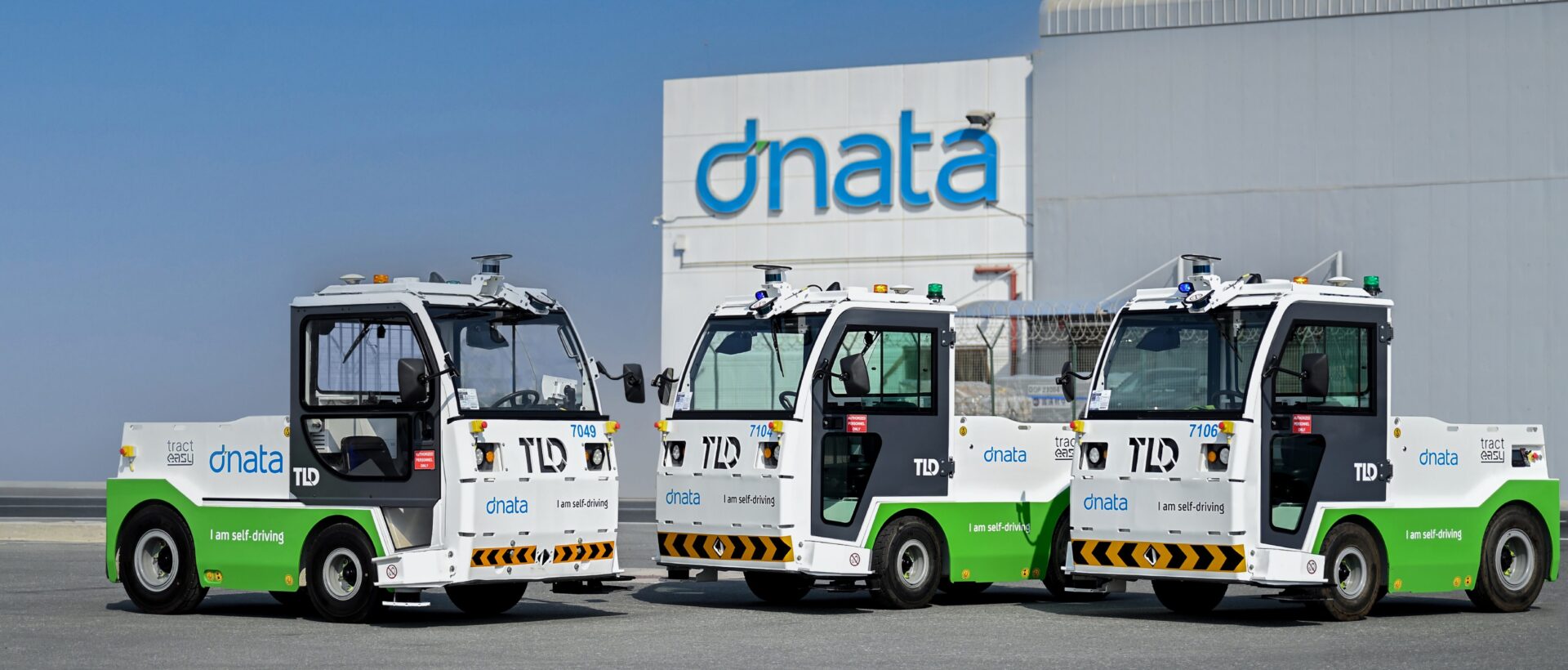
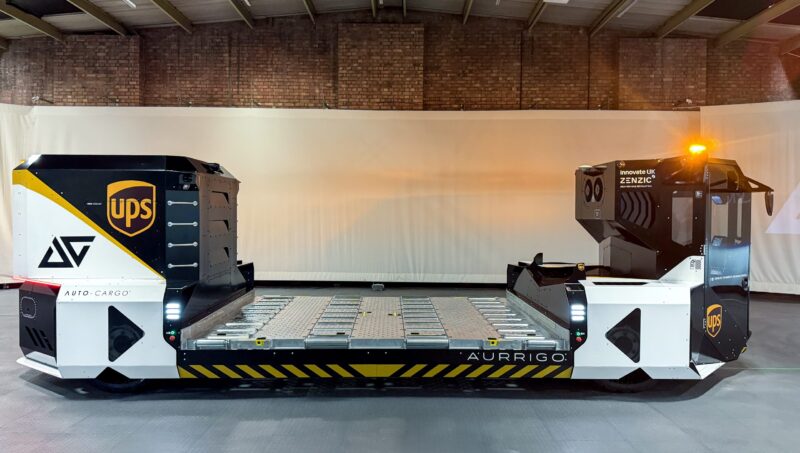
- RAMP Ready: Led by Aurrigo and UPS, this project includes the deployment of an Auto-Cargo baggage handling dolly and the completion of Auto-Shuttle 2, designed for passenger movement in airport settings.
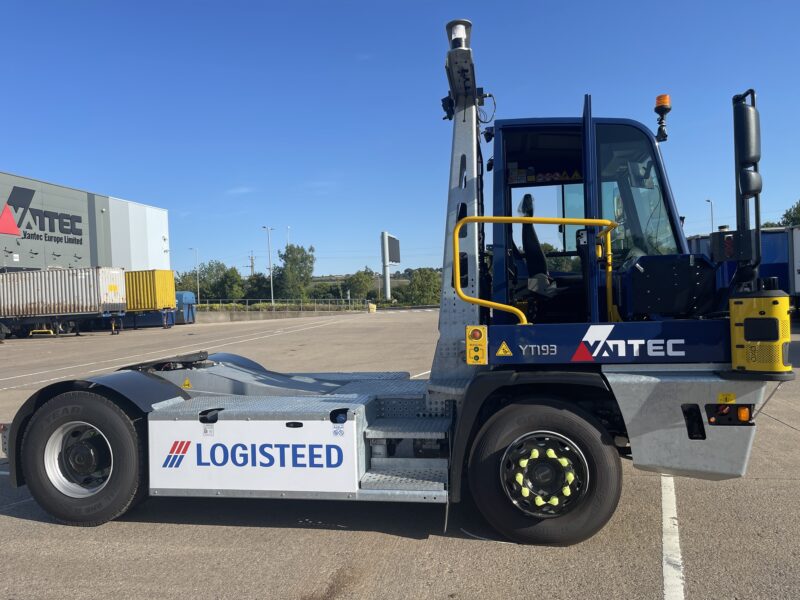
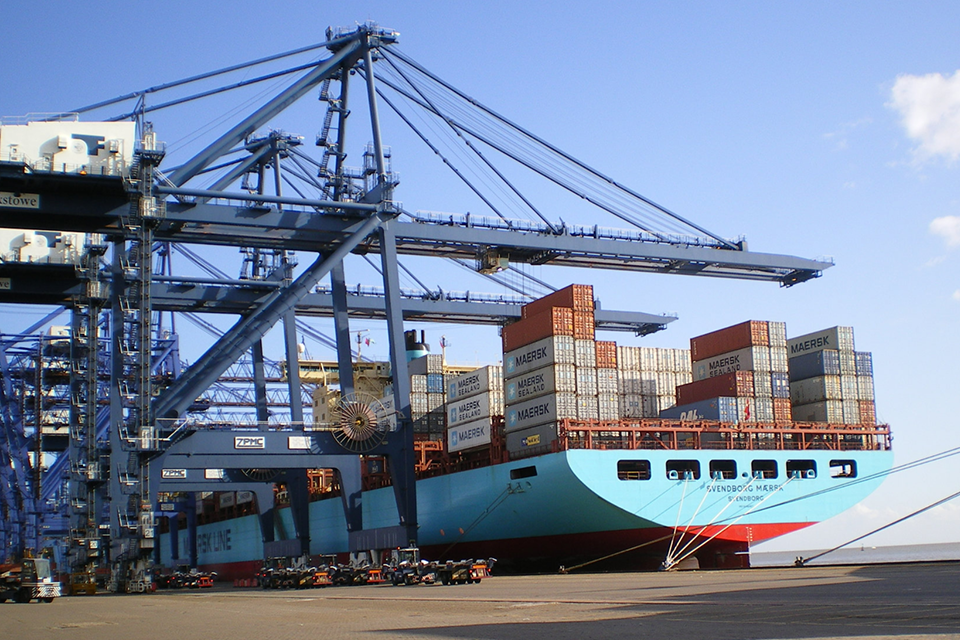
- P-Cal: A proof-of-concept autonomous container transport system to be tested at the Port of Tyne. Partners include the North East Automotive Alliance, Oxa, Nissan, Newcastle University, ANGOKA, Vantec, BP and Womble Bond Dickinson.
Testing Systems
Furthermore, several projects will focus on testing and enhancing automated driving systems:
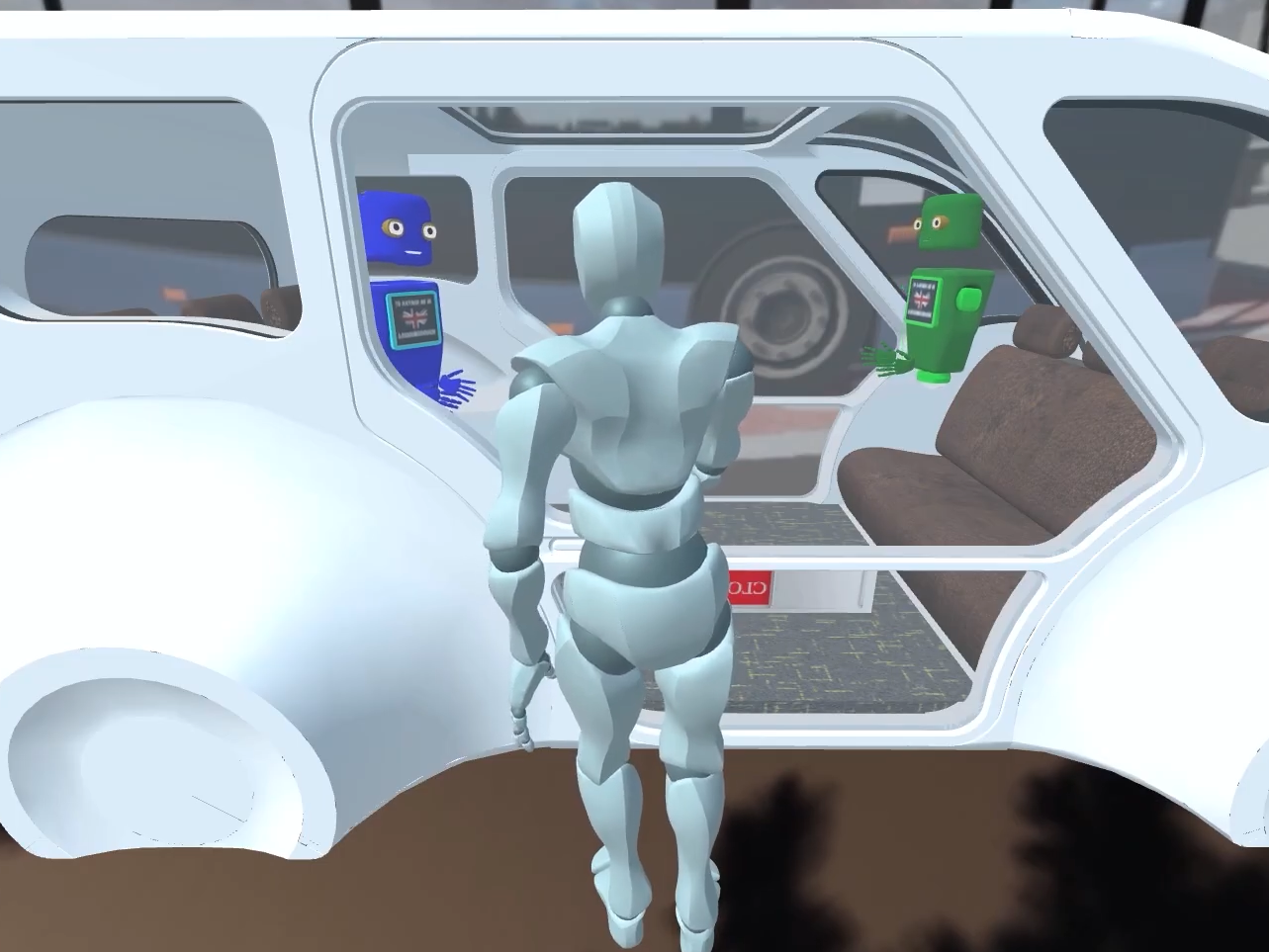
- Sim4CAMSens 2: A collaboration focused on validating and improving sensor models for CAM through simulation tools tailored to developers. Delivered by AESIN, CP Catapult, Claytex, National Physical Laboratory, Oxford RF, rFPro, Syselek and WMG.
- DriveSAFESim: A project addressing the qualification of virtual testing tools for automated driving systems, led by Wayve and WMG.